

Naman Darshan

Streamlining your spiritual journeys

About Naman Darshan
At Naman Darshan, we facilitate spiritual serenity by offering seamless pilgrimage experiences. Our services make temple visits effortless, with assistance raging from darshan bookings to personalized rituals. Embark on a divine quest combining faith and convenience.
Simplify Your Spiritual Journeys
Faith meets convenience with Naman Darshan

Hassle-Free Darshan Bookings

Hassle-Free Darshan Bookings

Secure your darshan appointments with ease across major temples.

Guided Spiritual Rituals

Guided Spiritual Rituals

Personalized assistance for meaningful poojas and rituals.

Comprehensive Pilgrimage Support

Comprehensive Pilgrimage Support

Full assistance for an enriched and smooth religious experience.


  • Manhattan, New York, NY, United States


Introduction

In Vedic traditions, every ritual begins with intention. This intention is formally expressed through Sankalp Grahan, a sacred step that defines the purpose of your puja. Many people perform rituals with devotion but miss this critical element, which connects the mind, body, and spiritual energy.

Sankalp is not just a verbal statement; it is a commitment that aligns your inner thoughts with divine blessings.

When practiced with awareness, it strengthens your faith and gives direction to your prayers.

This becomes especially important during Maha Laxmi Mata Puja, where the focus is on prosperity, stability, and removing financial obstacles.

A well-defined sankalp ensures that your worship is purposeful rather than mechanical.


What is Personal Sankalp Grahan?

Personal Sankalp Grahan is the act of declaring your intention before beginning a puja. It acts as a spiritual contract where you clearly state your purpose and seek divine support.

Core Components:

  • Your name and identity
  • Time and place of the ritual
  • Your specific intention (wealth, peace, debt relief, etc.)
  • A humble request for blessings

This process transforms a simple ritual into a meaningful spiritual practice.


Why Sankalp Matters in Lakshmi Puja

Sankalp is the foundation that gives direction to your puja. Without it, the ritual may lack focus and clarity.

Key Benefits:

  • Improves mental clarity and concentration
  • Strengthens your emotional connection with the ritual
  • Aligns your goals with spiritual energy
  • Enhances the overall impact of the puja
  • Encourages discipline and mindfulness

When and Where to Perform Sankalp

The effectiveness of Sankalp Grahan depends on the right timing and environment.

Ideal Timing:

  • During auspicious muhurat, especially evenings on Diwali or Fridays
  • Just before starting the main puja rituals

Ideal Setup:

  • A clean and शांत space in your home
  • A properly arranged puja altar

Many devotees today prefer guided assistance through trusted platforms like Naman Darshan to ensure that every step is performed correctly and in line with Vedic traditions.

For those seeking deeper spiritual strength, combining practices like Sunderkand Path Ayodhya can enhance emotional balance and inner clarity during challenging phases.


Step-by-Step Process of Personal Sankalp Grahan

Follow these structured steps to perform Sankalp effectively:

1. Preparation

  • Take a bath and wear clean traditional clothes
  • Sit facing east or north direction
  • Arrange essentials like water, flowers, and rice

2. Take Water in Your Hand

  • Hold a small amount of water in your right palm
  • Add rice grains or flowers if available

3. State Your Identity

Clearly mention:

  • Your name
  • Family details (if known)
  • Your current location

4. Declare Your Intention

Speak your purpose honestly, such as:

  • Financial stability
  • Business growth
  • Debt relief
  • Family well-being

5. Offer Your Prayer

Request Goddess Lakshmi to accept your sankalp and bless you with prosperity and peace.

6. Release the Water

  • Gently pour the water onto the ground or into a vessel
  • This symbolizes your commitment to the intention

What Should You Wear During Sankalp?

Proper attire reflects respect and purity during rituals.

Recommended Clothing:

  • Men: Kurta-pajama or dhoti
  • Women: Saree or traditional attire
  • Preferred colors: Yellow, red, or white

Avoid:

  • Dark or untidy clothes
  • Casual outfits

Common Mistakes to Avoid

To maintain the effectiveness of your sankalp, avoid these errors:

  • Performing the step without understanding its meaning
  • Lack of concentration or distractions
  • Rushing through the process
  • Incorrect pronunciation without guidance
  • Ignoring cleanliness and preparation

Role of Expert Guidance in Sankalp

Not everyone is familiar with detailed Vedic rituals. This is where structured support becomes valuable.Platforms like Naman Darshan help by offering:

  • Verified pandits with experience
  • Proper ritual guidance
  • Transparent processes with proof
  • Authentic Vedic methods

This ensures that your sankalp and puja are performed correctly and with spiritual integrity.


Spiritual Relevance of Sankalp in Daily Life

Sankalp is more than a ritual—it is a mindset. It teaches you to define your goals clearly and stay committed to them.When combined with practices like Shiv Rudrabhishek, it creates a balanced approach that supports both spiritual growth and material stability.

This combination helps individuals stay focused, disciplined, and aligned with their life goals.


FAQs

1. What is Sankalp Grahan in simple terms?

It is the process of declaring your intention before starting a puja.

2. Is Sankalp necessary for Lakshmi Puja?

Yes, it is an essential step that gives direction and meaning to the ritual.

3. Can I perform Sankalp without a pandit?

Yes, but proper understanding and focus are important for accuracy.

4. What should I include in my Sankalp?

Your name, purpose of the puja, and a request for blessings.

5. Does Sankalp really make a difference?

Yes, it helps align your thoughts and actions, making the ritual more effective.


Conclusion

Personal Sankalp Grahan is the core of any meaningful puja. It transforms a routine ritual into a focused spiritual practice by clearly defining your intentions. When performed with sincerity, discipline, and proper understanding, it strengthens your connection with divine energy and enhances the results of your efforts.

Whether you perform the ritual independently or with expert guidance, the clarity of your sankalp will always determine the depth and impact of your puja.

Sunderkand Path Ayodhya Shiv RudrabhishekShiv Rudrabhishek

Introduction

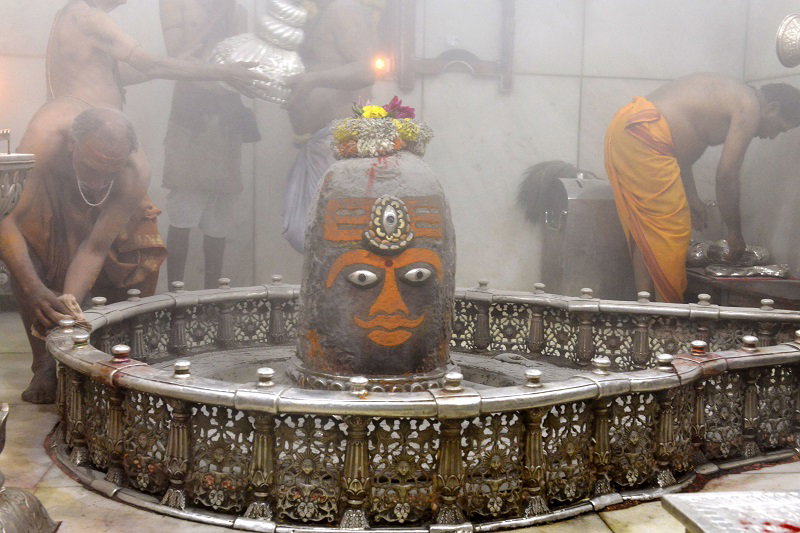
A visit to Ujjain holds deep spiritual meaning for devotees of Lord Shiva. Every year, pilgrims travel from across India with the hope of experiencing a peaceful and fulfilling darshan. However, the large number of visitors, especially during Mondays and festival seasons, often leads to long waiting hours. Managing time efficiently becomes essential for a smooth temple visit. Mahakaleshwar Jyotirlinga, Ujjain, Madhya Pradesh is one of the most sacred Jyotirlingas and attracts a constant flow of devotees throughout the year.Priority entry is a structured system designed to reduce waiting time while maintaining the sanctity of temple rituals. It allows devotees to plan their visit more effectively and focus on their spiritual experience rather than logistical challenges.


What Priority Entry Means

Priority entry is not about changing rituals or offering special religious privileges. It is a crowd-management system that ensures smooth movement of devotees inside the temple complex.Key benefits include:

  • Reduced waiting time compared to general queues
  • Organized entry through designated time slots
  • Better crowd control during peak hours
  • Convenience for families and elderly devotees

This system helps maintain discipline while ensuring a calm environment for worship.


Steps to Secure Priority Entry

Getting priority entry requires careful planning and adherence to official procedures. Devotees should rely only on authorized sources for booking.Follow these steps:

  • Check availability through official temple booking platforms
  • Select a suitable date and time slot based on your travel plan
  • Enter accurate personal details during registration
  • Carry valid government-issued identification
  • Reach the reporting point within the assigned time window

Advance booking is always recommended, particularly during busy periods.


Planning During Peak Seasons

Festivals and auspicious months significantly increase crowd levels in Ujjain. Devotees visiting during these times should prepare well in advance to avoid inconvenience.Similar crowd management practices are followed at Kashi Vishwanath Temple Varanasi, where organized entry systems help maintain order during heavy pilgrim traffic. Learning from such systems highlights the importance of early planning and disciplined entry.Choosing early morning slots and staying updated with official announcements can improve the overall experience.


Role of Trusted Darshan Services

For first-time visitors, understanding booking procedures and temple guidelines can sometimes be confusing. In such cases, reliable assistance services can provide useful guidance.Naman Darshan service is often referred to by devotees for helping them understand scheduling, documentation, and entry processes. Their role is to assist with proper coordination, ensuring that pilgrims follow the correct steps without unnecessary confusion.With the right guidance, devotees can approach their visit with confidence and clarity.


Important Tips for a Smooth Visit

To ensure a hassle-free experience, keep the following points in mind:

  • Avoid relying on unauthorized agents
  • Always carry valid ID proof for verification
  • Follow the temple dress code and discipline
  • Arrive early to complete entry procedures smoothly
  • Respect temple staff and other devotees

These simple precautions help maintain order and enhance the spiritual atmosphere.


Learning from Other Pilgrimage Sites

Many prominent temples in India follow structured entry systems to manage large crowds efficiently. Devotees visiting Ram Janmabhoomi, Ayodhya also experience organized arrangements that help maintain discipline and smooth movement within the temple premises.Such systems show that proper planning and structured access can significantly improve the pilgrimage experience while preserving religious traditions.


Frequently Asked Questions (FAQs)

  • Is priority entry available every day?
    Availability depends on temple schedules, crowd levels, and special occasions.
  • Does priority entry guarantee immediate darshan?
    It reduces waiting time but still follows temple procedures and security checks.
  • Can I book priority entry on the same day?
    Limited slots may be available, but advance booking is highly recommended.
  • Is identification mandatory for entry?
    Yes, valid government-issued ID is required for verification.
  • Are there dress code rules for entry?
    Yes, devotees are expected to wear modest and appropriate attire.

Conclusion

Getting priority entry is a practical way to manage your temple visit efficiently while maintaining a peaceful and respectful environment. By following official booking methods, planning ahead, and respecting temple guidelines, devotees can avoid long queues and focus on their spiritual journey. A well-prepared visit not only saves time but also enhances the overall experience, allowing pilgrims to connect deeply with their faith in a calm and meaningful way. Kashi Vishwanath Temple Varanasi,Ram Janmabhoomi, AyodhyaRam Janmabhoomi, AyodhyaRam Janmabhoomi, Ayodhya

Introduction

Planning a spiritual ritual requires more than devotion; it also requires proper preparation and awareness of the sacred procedures involved. Many devotees prefer attending organized temple ceremonies where the rituals are performed according to traditional scriptures and guided by experienced priests. Knowing the correct timing and sequence of the worship allows devotees to participate with greater focus and respect for the spiritual process. This is especially important when planning a visit for Maha Shakti Tridevi Puja.When devotees have access to clear information about the schedule, materials required, and the order of rituals, the entire spiritual experience becomes more meaningful. Instead of feeling rushed or confused at the temple, they can approach the ceremony calmly and participate with devotion.


Importance of Knowing Puja Timing in Advance

In Hindu traditions, the timing of a ritual is considered highly significant. Many ceremonies are performed during specific auspicious periods determined according to the Hindu calendar and astrological calculations.Knowing the correct schedule helps devotees:

  • Attend during the most auspicious time recommended by priests.
  • Avoid long waiting periods at temples during peak hours.
  • Prepare required offerings such as flowers, fruits, and sacred items in advance.
  • Plan travel arrangements especially when visiting temples located in other cities.
  • Participate peacefully without the stress of last-minute confusion.

When devotees understand the timing beforehand, they can align their personal prayers and intentions with the sacred ritual.


Understanding the Ritual Process Before Attending

Many traditional pujas follow a specific sequence of steps that symbolize purification, devotion, and divine invocation. Learning about these steps in advance allows devotees to connect more deeply with the ceremony.Typical ritual preparation may include:

  • Purification through sacred water and prayers
  • Invocation of divine energies through mantras
  • Offering flowers, incense, and lamps
  • Chanting of sacred hymns by priests
  • Final blessings and distribution of prasad

When devotees know these stages beforehand, they can participate respectfully and understand the spiritual significance of each step.


How Proper Ritual Knowledge Enhances the Spiritual Experience

Devotees who understand the meaning of rituals often feel a stronger spiritual connection during temple ceremonies. Knowledge helps transform the ritual from a routine act into a meaningful devotional practice.For example, rituals such as Shiv Rudrabhishek also follow precise procedures and sacred chanting that devotees often learn about before attending. Understanding such practices encourages deeper respect for the traditions preserved in temples across India.When devotees are aware of these details, they become more attentive during the ceremony and feel spiritually engaged throughout the process.


Role of Organized Darshan and Puja Services

In many popular temples, large crowds can make it difficult for devotees to obtain clear information about timings or ritual procedures. Organized services can help simplify the process by guiding devotees with reliable details and structured arrangements.Some spiritual facilitation platforms help devotees by providing:

  • Verified puja schedules
  • Assistance with booking rituals in advance
  • Guidance about temple rules and participation procedures
  • Updates about festival dates and special ceremonies

For example, services such as Naman Darshan help devotees receive timely information about temple rituals and sacred ceremonies. Their role is mainly to simplify the process so devotees can focus on devotion rather than logistics.


Benefits of Planning a Puja Visit in Advance

Careful planning allows devotees to experience temple rituals without unnecessary stress. Instead of managing travel, scheduling, and ritual preparations at the last moment, advance preparation ensures a peaceful and organized visit.Key advantages include:

  • Better time management: Devotees can align travel plans with the temple schedule.
  • Spiritual focus: When logistics are handled beforehand, devotees can concentrate on prayers and meditation.
  • Family participation: Organized planning allows families to attend together and share the spiritual experience.
  • Respect for temple traditions: Understanding rules and procedures helps maintain the sanctity of the ritual environment.

Planning also helps devotees prepare mentally and spiritually before participating in sacred worship.


Importance of Understanding Traditional Ritual Methods

Many ancient rituals are deeply symbolic and represent devotion through structured offerings and prayers. One such traditional method is Shodashopachar Puja, which involves sixteen ceremonial offerings made to the deity as a gesture of respect and devotion.Learning about these practices helps devotees appreciate the spiritual depth of temple rituals and understand why priests follow specific procedures during worship.


Conclusion

Proper knowledge of ritual timing and procedures plays an important role in enhancing the spiritual experience of devotees. When people are informed about the schedule, traditions, and preparation required for sacred ceremonies, they are able to participate with greater devotion and clarity.Understanding the significance of each ritual step allows devotees to connect more deeply with the divine and appreciate the cultural heritage preserved within temple traditions. With the availability of reliable information and organized guidance, devotees can plan their temple visits effectively and focus on what truly matters — sincere prayer, spiritual reflection, and devotion.Ultimately, thoughtful preparation transforms a simple temple visit into a meaningful spiritual journey that leaves devotees feeling peaceful, inspired, and spiritually fulfilled.


Frequently Asked Questions

1. Why is it important to know puja timing before visiting a temple?

Knowing the correct timing helps devotees attend during auspicious periods and avoid confusion or long waiting times at crowded temples.

2. Can devotees participate in temple rituals without prior knowledge?

Yes, but understanding the ritual process beforehand helps devotees appreciate the spiritual significance and participate respectfully.

3. How can devotees find authentic information about temple rituals?

Temple authorities, official websites, and trusted spiritual platforms often provide accurate details about ritual schedules and guidelines.

4. Do all Hindu rituals follow a structured process?

Most traditional rituals follow specific procedures guided by scriptures and performed by trained priests to maintain authenticity.

5. How does advance planning improve the spiritual experience?

Advance preparation removes logistical stress, allowing devotees to focus fully on prayer, devotion, and the spiritual meaning of the ritual.Shiv RudrabhishekShodashopachar Puja

Introduction

A pilgrimage to a sacred Shiva temple is often planned with deep faith and personal devotion.

Devotees travel from across the country hoping to spend a few peaceful moments in prayer and spiritual reflection.

However, large crowds at important pilgrimage sites can sometimes make the experience physically demanding.

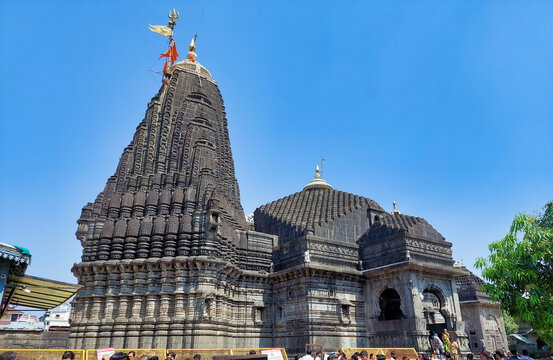
This is especially common at Trimbakeshwar Jyotirlinga, where thousands of pilgrims arrive every day.Because of the high number of visitors, temple administrations and travel planners now encourage better preparation before visiting. One approach that many pilgrims consider is VIP darshan. This option allows devotees to manage their time more effectively while maintaining the spiritual purpose of their visit.When planned properly, VIP access can transform a stressful visit into a calm and well-organized pilgrimage experience.


Understanding the Concept of VIP Darshan

VIP darshan is essentially a structured temple entry system designed to manage heavy visitor flow. Instead of standing in general queues for long hours, devotees receive a designated entry window that allows smoother movement toward the sanctum.This approach is not meant to replace traditional devotion but to improve crowd management. The primary goal is to ensure that pilgrims can complete their darshan with greater comfort and clarity.

Common features of VIP darshan include:

  • A designated entry route separate from the general queue
  • Reduced waiting time during peak hours
  • More predictable darshan schedules
  • Easier access for elderly devotees and families
  • Improved crowd control within the temple premises

When these elements work together, the temple environment becomes more organized and peaceful.


Why Pilgrims Prefer VIP Darshan Today

Over the past decade, the number of devotees visiting major Shiva temples has increased significantly. Festivals such as Mahashivratri, Shravan Mondays, and special puja days attract massive gatherings.As a result, many pilgrims now look for ways to ensure that their spiritual visit remains calm rather than exhausting.

Key reasons devotees choose VIP darshan

  • Time efficiency: Ideal for pilgrims with limited travel schedules
  • Physical comfort: Reduces long standing hours in queues
  • Better planning: Helps coordinate temple visits with travel and accommodation
  • Peaceful worship: Allows devotees to focus on prayer rather than crowd stress

Many experienced travelers now consider this option an important part of modern pilgrimage planning.


Lessons from Other Major Jyotirlinga Pilgrimages

Crowd management strategies have been adopted at many well-known Shiva temples across India. These systems help balance devotion with practical logistics.For example, temples such as  Mahakaleshwar Jyotirlinga, Ujjain, Madhya Pradesh  have introduced structured entry arrangements to help manage the continuous flow of pilgrims. By organizing darshan schedules and improving queue systems, these temples have significantly enhanced visitor experiences.Such examples show that thoughtful planning and organized access can preserve the sanctity of worship while improving comfort for devotees.


The Role of Planning in a Smooth Pilgrimage

A successful temple visit rarely happens by chance. It usually depends on careful preparation and awareness of temple procedures.

Practical tips many experienced pilgrims follow:

  • Check temple darshan timings before traveling
  • Visit early morning when crowds are relatively lower
  • Keep necessary identification and booking confirmations ready
  • Plan accommodation close to the temple premises
  • Avoid peak festival hours if flexibility allows

Following these simple steps can help devotees avoid unnecessary stress during their pilgrimage.


How Darshan Assistance Services Support Devotees

In recent years, several pilgrimage coordination services have emerged to help devotees manage temple visits more efficiently. These services assist with information, scheduling, and darshan arrangements.One such example is Naman Darshan, which helps pilgrims understand temple procedures and organize their visit more smoothly. Instead of spending time searching for accurate information, devotees can rely on such guidance to plan their darshan schedule effectively.These services do not replace the spiritual aspect of pilgrimage. Instead, they simplify the logistical side so that visitors can focus on devotion.


Benefits of a Structured Darshan Experience

When temple visits are properly organized, devotees often report a much more fulfilling experience.

Some practical advantages include:

  • Reduced physical fatigue from long queues
  • Improved crowd flow inside temple corridors
  • Safer environment for elderly visitors
  • Better opportunity to participate in rituals
  • More peaceful moments for personal prayer

These benefits help pilgrims maintain the spiritual focus that is central to any temple visit.


Frequently Asked Questions

1. Is VIP darshan available throughout the year?

Availability depends on temple administration policies and seasonal crowd conditions. During festivals, demand for such entry options may increase significantly.

2. Does VIP entry affect the spiritual value of darshan?

No. Devotion, prayer, and faith remain the same. VIP entry simply helps manage large crowds more efficiently.

3. Is VIP darshan suitable for families?

Yes. Many families prefer this option because it reduces waiting time and physical strain.

4. Can first-time pilgrims benefit from organized darshan planning?

Absolutely. Proper planning helps new visitors understand temple procedures and avoid unnecessary confusion.


The Changing Nature of Pilgrimage in India

Pilgrimage traditions in India have existed for centuries, but the scale of travel has increased dramatically in modern times. Millions of devotees now visit sacred temples each year.As a result, organized visitor management has become an important part of maintaining both safety and spiritual harmony. Temples like Omkareshwar Temple also illustrate how structured systems can help maintain order while respecting religious traditions.These developments show that thoughtful planning can enhance, rather than diminish, the sacredness of a pilgrimage.


Conclusion

A temple visit should ideally be peaceful, meaningful, and spiritually uplifting. However, large crowds and long waiting hours can sometimes make the experience physically exhausting.VIP darshan offers a practical way to balance devotion with convenience. By reducing waiting time and improving crowd management, it allows pilgrims to focus more on prayer and reflection.When devotees plan their visit carefully and use reliable guidance, the pilgrimage becomes far more fulfilling. Ultimately, the true purpose of any temple journey is spiritual connection—and a well-organized darshan experience helps devotees achieve that goal with greater peace and clarity.Mahakaleshwar Jyotirlinga, Ujjain, Madhya Pradesh     Omkareshwar Temple Omkareshwar Temple

A spiritually fulfilling journey begins with thoughtful preparation rather than last-minute arrangements. Visiting a Himalayan shrine requires clarity about timing, travel logistics, and personal readiness. Many pilgrims assume that a VIP visit is about shortcuts, but in reality it is about planning wisely to protect your time and energy. A carefully organized trip to neelkanth mahadev temple rishikesh allows devotees to experience darshan peacefully, without unnecessary confusion or physical strain.This guide is based on practical travel considerations, temple discipline, and commonly followed pilgrimage practices. The objective is to help you plan efficiently while maintaining reverence and authenticity.


What Does a VIP Visit Actually Mean?

A VIP visit is not about privilege over others. It simply means:

  • Better time management
  • Reduced waiting stress
  • Comfortable travel arrangements
  • Clear understanding of temple entry systems
  • Respectful coordination with local authorities

The focus remains on devotion, not on bypassing tradition.


Choosing the Right Time for Darshan

Timing plays the most important role in a smooth visit.Best Practices:

  • Arrive early morning between 5:00–7:00 AM
  • Prefer weekdays over weekends
  • Avoid major festival days unless fully prepared
  • Stay overnight in Rishikesh for an early start

Morning hours provide cooler weather, lighter queues, and calmer surroundings.


Travel and Stay Planning

Since the temple is located around 32 km from Rishikesh in a forested hill region, proper transport planning is essential.Travel Tips:

  • Book a reliable private taxi in advance
  • Avoid peak traffic hours
  • Carry minimal luggage
  • Wear comfortable walking footwear

Experienced pilgrims who have visited major shrines like shree somnath jyotirling temple often emphasize that discipline in timing and route planning significantly enhances the darshan experience.For accommodation, staying near Tapovan or Lakshman Jhula ensures easier early departure and better connectivity.


What to Carry for a Comfortable Experience

Simple preparation can prevent discomfort.Carry:

  • Government ID
  • Water bottle
  • Light snacks
  • Basic medicines
  • Modest clothing

Avoid:

  • Heavy bags
  • Loud conversations
  • Ignoring temple rules

Maintaining simplicity reflects spiritual maturity.


Role of Organized Darshan Support

During peak periods, first-time visitors may face confusion regarding entry queues and timing coordination. Some pilgrims opt for structured assistance through trusted references who understand local systems.Services such as Naman Darshan are occasionally mentioned among devotees as a coordination support option, helping streamline entry timing and movement while respecting temple protocols. Such assistance is especially useful for families, senior citizens, or visitors with limited time.


Mental and Spiritual Preparation

A VIP visit should begin with internal readiness.

  • Practice patience
  • Accept waiting with calmness
  • Focus on prayer rather than crowd comparison
  • Maintain respectful behavior at all times

True spiritual depth comes from discipline and humility.


Learning from Other Jyotirlinga Experiences

Pilgrims who regularly visit sacred Shiva sites understand the importance of structure and devotion.

Many describe similar crowd management systems at bhimashankar jyotirlinga temple, where orderly planning allows for peaceful darshan despite heavy footfall.These shared experiences across major shrines reinforce one key lesson: preparation protects spiritual focus.


Frequently Asked Questions (FAQs)

Q1. Is VIP darshan officially available year-round?

Availability varies depending on season and temple administration policies.Q2. What is the ideal duration for a VIP visit?

Typically 3–5 hours including travel from Rishikesh.Q3. Is the route safe for senior citizens?

Yes, but early travel and private transport are strongly recommended.Q4. Can I visit during monsoon?

Yes, but check road conditions in advance.


Conclusion

A VIP visit is not about special treatment—it is about intentional planning. When travel, timing, and mental preparation are aligned, the experience becomes calm and meaningful. By starting early, carrying only essentials, and maintaining patience, devotees can preserve the sanctity of their pilgrimage.Careful organization ensures that your journey remains spiritually centered rather than logistically overwhelming. With clarity and discipline, your visit transforms from a routine temple trip into a deeply personal and peaceful spiritual milestone. shree somnath jyotirling temple  bhimashankar jyotirlinga templebhimashankar jyotirlinga temple

A VIP pilgrimage is not about luxury; it is about clarity, calm, and spiritual focus. When visiting an ancient Himalayan shrine, planning becomes essential to protect both your time and inner peace. Crowd pressure, travel confusion, and poor timing can distract from devotion. That is why thoughtful preparation is the key to a fulfilling experience. Neelkanth Mahadev Temple Rishikesh offers divine energy best experienced with patience, discipline, and mindful planning.This guide is written to help devotees plan a smooth, respectful, and spiritually enriching VIP visit without unnecessary stress.


Understanding What a VIP Visit Truly Means

A VIP visit does not imply bypassing faith or tradition. It simply ensures:

  • Better time management
  • Reduced physical strain
  • Focused darshan without confusion
  • Respect for temple rules and crowd systems

The aim is to experience devotion deeply rather than rush through rituals.


Best Time and Day for a VIP Darshan

Choosing the right timing is the foundation of VIP planning.Recommended options:

  • Early morning hours between 5:00–7:00 AM
  • Weekdays instead of weekends
  • Avoiding major festival dates unless well-prepared

Early visits allow calm surroundings, shorter waiting times, and clearer movement around the sanctum.


Travel Planning and Local Coordination

The temple is located in a forested hilly area, making transport planning critical.Key travel tips:

  • Stay overnight in Rishikesh for an early start
  • Arrange private or pre-booked local transport
  • Carry minimal belongings to move easily

Experienced pilgrims often say that visiting Shiva temples with proper planning mirrors the discipline followed at Mahakaleshwar Jyotirlinga, Ujjain, Madhya Pradesh, where timing and order are central to the spiritual process.


What to Carry and What to Avoid

Smart preparation enhances comfort and respect.Carry:

  • Valid ID
  • Comfortable footwear
  • Light woolens
  • Water bottle

Avoid:

  • Heavy bags
  • Loud conversations
  • Photography near restricted zones

Maintaining simplicity aligns with the spiritual environment.


Role of Organized Darshan Assistance

During peak seasons or weekends, first-time visitors often struggle with route clarity and darshan flow. Some pilgrims quietly rely on trusted references who understand temple timing, entry coordination, and crowd patterns.Services like Naman Darshan are often mentioned among devotees as a supportive option for those seeking smoother movement and better time management—without disturbing the sanctity of the visit.


Mental Preparation for a Meaningful Experience

VIP planning is incomplete without mental readiness.

  • Stay calm during waiting periods
  • Accept delays with patience
  • Focus on prayer rather than comparison

Spiritual depth increases when expectations are grounded and respectful.


Connecting the Experience to Greater Pilgrimage Wisdom

Pilgrims who regularly visit Himalayan shrines often notice a shared spiritual rhythm across sacred sites.

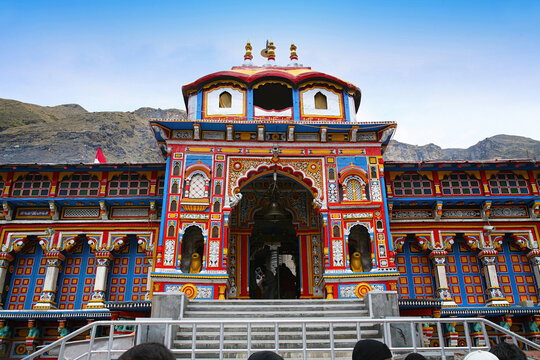
Many describe the silence and surrender here as similar to what they feel while approaching badrinath temple, where devotion grows stronger through simplicity and discipline rather than speed.


Frequently Asked Questions (FAQs)

Q1. Is VIP darshan allowed year-round?

Yes, but availability and crowd conditions vary by season.Q2. Is advance planning necessary?

Strongly recommended, especially on weekends.Q3. Are senior citizens comfortable with VIP visits?

Yes, early timings and assistance make it easier.Q4. Is mobile connectivity reliable?

Network may be weak; plan accordingly.


Conclusion

A VIP visit is not about privilege—it is about presence. When planned correctly, the journey becomes calm, respectful, and spiritually uplifting. Thoughtful timing, light travel, and mental readiness allow you to absorb the sacred energy without distraction.With the right approach, your visit transforms from a task into a timeless spiritual memory—one rooted in devotion, discipline, and inner silence. Mahakaleshwar Jyotirlinga, Ujjain, Madhya Pradesh,

Pilgrimage to the Himalayas is not just about reaching a destination. It is about preparing the mind, body, and spirit for a meaningful experience. For many devotees, managing travel, queues, and logistics can feel overwhelming. This is where badrinath temple VIP packages quietly transform the entire journey into a calm, focused, and spiritually rewarding visit.

Understanding the Challenges of a Traditional Pilgrimage

A visit to Badrinath often involves long travel hours, unpredictable weather, and heavy seasonal crowds.

First-time pilgrims especially struggle with unclear procedures, accommodation availability, and darshan timelines.

Senior citizens and families with children face additional physical and emotional strain.

Without proper planning, spiritual intent can easily get overshadowed by exhaustion and confusion.VIP pilgrimage packages are designed to reduce these frictions without interfering with the sanctity of worship.

What VIP Packages Actually Include

Contrary to popular belief, VIP packages are not about luxury.

They are about structured support and time efficiency.Most well-designed VIP services include:

  • Priority darshan coordination to reduce waiting time
  • Assistance with temple entry protocols and rituals
  • Pre-arranged accommodation close to the temple area
  • On-ground guidance for senior citizens and families
  • Clear schedules that align travel, rest, and worship

Services like Naman Darshan focus specifically on respectful facilitation rather than commercialization, ensuring devotees experience darshan with dignity and peace.

How VIP Planning Improves the Spiritual Experience

Spiritual focus requires mental stillness.

When devotees are not worried about queues, directions, or schedules, attention naturally shifts inward.

VIP planning removes distractions, allowing pilgrims to engage more deeply with prayers, rituals, and reflection.Instead of rushing from one task to another, pilgrims gain time to absorb the atmosphere of the shrine, observe traditions, and connect emotionally with the journey.

Comparing Different Sacred Journeys

Many pilgrims combine multiple spiritual destinations within a single itinerary.

A well-planned pilgrimage often includes stops at revered sites across Uttarakhand and beyond.

For example, devotees visiting neelkanth mahadev temple rishikesh often realize how guided access and proper timing significantly improve their experience.This comparison highlights an important insight:

Spiritual depth is enhanced not by speed, but by thoughtful organization.

Why VIP Packages Are Especially Helpful During Peak Season

Peak pilgrimage months bring massive crowds and unpredictable delays.

Without structured support, even simple tasks like darshan entry or accommodation check-ins become stressful.VIP packages help by:

  • Allocating fixed darshan slots
  • Managing crowd-sensitive entry timings
  • Offering contingency support during weather disruptions
  • Ensuring pilgrims are not physically overstrained

This is particularly important for elderly devotees, who benefit from minimized walking distances and waiting periods.

Trust, Experience, and Authentic Guidance

E-E-A-T principles matter deeply in pilgrimage planning.

Devotees place trust not only in spiritual traditions but also in the people guiding them.Reliable VIP services are usually managed by teams with:

  • Years of on-ground experience
  • Deep understanding of temple protocols
  • Respect for religious sentiments
  • Transparent communication

Naman Darshan service is often referenced for maintaining this balance between logistical efficiency and devotional respect, which builds long-term trust among pilgrims.

A Broader Spiritual Perspective

Pilgrimage is not limited to one shrine.

Devotees often reflect on how structured darshan experiences at different sacred sites shape their overall faith journey.

Many pilgrims draw parallels with organized worship experiences at Mahakaleshwar Jyotirlinga, Ujjain, Madhya Pradesh, where planning and discipline enhance spiritual immersion rather than limit it.This reinforces the idea that respectful facilitation supports devotion instead of diluting it.

Frequently Asked Questions

Are VIP packages suitable for first-time pilgrims?

Yes. They provide clarity, guidance, and confidence, especially for those unfamiliar with temple procedures.

Do VIP packages affect religious authenticity?

No. When handled responsibly, they preserve rituals while reducing physical and logistical strain.

Is VIP planning only for elderly devotees?

Not at all. Families, working professionals, and short-duration travelers benefit equally.

How early should VIP services be planned?

Ideally, bookings should be made well in advance, especially during peak pilgrimage months.

Conclusion

A pilgrimage should leave a devotee spiritually fulfilled, not physically drained.

VIP packages simplify the journey by removing uncertainty, improving comfort, and allowing focus on devotion rather than logistics.

When supported by experienced and respectful services, the pilgrimage becomes what it is meant to be — a deeply personal and peaceful spiritual encounter.Thoughtful planning does not replace faith.

It protects it.neelkanth mahadev temple rishikeshMahakaleshwar Jyotirlinga, Ujjain, Madhya Pradesh

Planning a temple tour around Mayapur is more than just a journey it’s an awakening of the soul. The sacred town, nestled in the Nadia district of West Bengal, is a magnet for devotees, travelers, and anyone seeking spiritual serenity. Before setting out, it’s essential to know the best time to visit ISKCON Mayapur Nadia West Bengal, so you can experience both the tranquil rhythms of daily devotion and the grandeur of festive celebrations. The months between November and March are particularly ideal, offering pleasant weather and an atmosphere that enhances your spiritual experience.A temple tour in and around Mayapur is not simply about visiting shrinesit’s about immersing yourself in the sacred stories that echo through every corner. Begin with the ISKCON Chandrodaya Mandir, the heart of Mayapur’s spiritual life. Witness the enchanting morning aarti as the temple bells ring in harmony with the rising sun. The sight of devotees gathering for Naman Darshan—where the deities are unveiled for a divine glimpse is profoundly moving. It’s a moment of stillness that leaves visitors with lasting peace. The sprawling complex also features the Temple of Vedic Planetarium, an architectural marvel blending modern design with ancient philosophy.Beyond the temple grounds, the surrounding region offers hidden spiritual gems and historical insights. A short journey from Mayapur takes you to nearby temples and ghats, each holding stories of faith and devotion. The serene banks of the Ganga invite quiet reflection or a soothing boat ride, where the chanting from distant temples floats over the water. Local guides and residents are always eager to share anecdotes about the town’s deep connection with Sri Chaitanya Mahaprabhu, whose teachings of love and unity form the very foundation of Mayapur’s spirit.As you continue your temple exploration, consider extending your journey to nearby spiritual landmarks. One such place that blends heritage and devotion beautifully is the Belur Math Temple, located near Kolkata. Founded by Swami Vivekananda, this serene spot serves as the headquarters of the Ramakrishna Mission and reflects the harmony of all religions. Its tranquil riverfront setting and majestic architecture make it a fitting complement to Mayapur’s devotional energy. Visiting both Mayapur and Belur Math allows travelers to experience two distinct yet interconnected expressions of India’s spiritual essence—one rooted in bhakti (devotion) and the other in selfless service.When planning your itinerary, balance your time between temple visits, spiritual activities, and moments of rest. Morning aartis are the heart of temple life, while evenings often bring soulful kirtans that unite visitors from every corner of the world. If you’re staying overnight, ISKCON guesthouses and local accommodations offer clean, peaceful rooms at reasonable prices. Many even include vegetarian meals prepared with devotion, giving visitors a taste of simple living and spiritual nourishment.Pack light and dress modestly, as most temples require covered shoulders and legs as a mark of respect. Comfortable footwear is essential since you’ll spend hours walking between temple sites and exploring local attractions. Don’t forget to carry a notebook or journal—many travelers find themselves inspired to reflect and write down thoughts that arise during meditation or while attending devotional sessions.One of the joys of a temple tour is discovering how each place connects to another, much like pearls strung together by devotion. After soaking in the divine energy of Mayapur, pilgrims often continue their spiritual trail through South India. For instance, a journey to the Varadharaja Perumal Temple Kanchipuram can be a profound experience, as it stands among India’s most revered Vishnu temples. The intricate architecture, ancient rituals, and the calm of this temple complement the devotional depth found in Mayapur, making it a worthy addition to your itinerary.To make the most of your temple tour, plan transportation in advance. From Kolkata, you can reach Mayapur by road or rail, with frequent buses and trains connecting to Nabadwip Dham station. Hiring a local cab from there ensures a comfortable ride to the temple complex. Many travelers prefer to club their Mayapur trip with a visit to Belur Math, making it a perfect two-day circuit for those short on time. The journey itself is as spiritual as the destination—passing through lush green fields, small villages, and glimpses of rural Bengal that seem untouched by time.While at ISKCON Mayapur, don’t miss participating in prasadam seva (serving sanctified food) or attending evening discourses that explain the essence of Bhagavad Gita and devotional living. These moments are more than rituals—they are lessons in humility and love. The atmosphere here is not limited to religious followers; it welcomes seekers from all walks of life. You’ll find people from over a hundred nations praying together, reflecting the true meaning of universal brotherhood.Before concluding your journey, take a walk through the Mayapur campus during twilight. The temple lights reflecting on the river, the sound of conch shells, and the chants filling the air create an ambiance that stays with you long after you’ve left. Whether you’re a seasoned devotee or a curious traveler, Mayapur invites you to slow down, breathe, and reconnect with something eternal within.A temple tour around ISKCON Mayapur Nadia West Bengal is not merely a trip—it’s a spiritual dialogue between the heart and the divine. Each visit offers something new: peace, understanding, or a renewed sense of purpose. The journey may begin with a map and itinerary, but it ends with an inner awakening that no guidebook can truly capture.
 Belur Math Temple Varadharaja Perumal Temple Kanchipuram

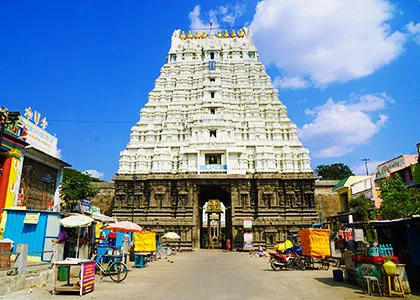
There are places in India where spirituality doesn’t just exist — it breathes through every stone, echoing centuries of devotion and cultural brilliance. One such sacred destination is the magnificent Varadharaja Perumal Temple Kanchipuram, a site that continues to inspire awe among devotees, historians, and travelers alike. Nestled in the temple town of Kanchipuram in Tamil Nadu, this shrine stands as a timeless symbol of devotion to Lord Vishnu and an architectural wonder that captures the grandeur of South Indian temple design. Many who visit say they don’t just witness history — they feel it. The atmosphere around the temple radiates a calm that seems to whisper stories of ancient faith.The temple’s sanctity lies in more than its towering gopurams or intricate sculptures — it’s rooted in belief, devotion, and continuity. It is said that the temple was originally constructed during the reign of the Chola kings and later expanded by the Vijayanagara rulers. This layered evolution gives it a rare charm, where each corridor feels like a chapter of India’s spiritual journey. The presiding deity, Lord Varadharaja Perumal (a manifestation of Lord Vishnu), is believed to grant blessings of prosperity and wisdom to those who visit with pure intent. Locals often speak of subtle experiences — the cool breeze in the sanctum, the unexpected calm during prayers, or the way time seems to slow down inside the complex. These experiences, though intangible, add to the temple’s sacred identity.What truly makes this temple special is its balance between devotion and artistry. The temple’s 100-pillar hall is a masterpiece carved from granite, showcasing scenes from epics like the Ramayana and Mahabharata. Unlike other temples where grandeur overshadows serenity, here the two coexist beautifully. You can hear the gentle sounds of bells and chants blending harmoniously, almost like nature and faith are in conversation. Devotees often compare their visit to entering another realm — where the world outside fades and the soul becomes still.Interestingly, the sacredness of this temple can also be compared to other centers of spiritual reflection like Belur Math Temple, where devotion transcends rituals and becomes a way of life. Just as Belur Math symbolizes unity and peace through simplicity, Varadharaja Perumal Temple embodies the same spiritual essence through art, tradition, and enduring devotion. Each structure within its complex — from the sanctum to the temple tank — is a silent teacher of patience, discipline, and surrender. The temple tank, called Anantha Theertham, is especially revered. It is here that an idol of Lord Varadaraja, carved in wood, is kept submerged under water and brought out only once every 40 years for worship — a tradition that reflects deep reverence for preservation and purity.The temple is not just a monument but a living institution of faith. Even today, rituals are performed in the traditional way, keeping alive customs that date back centuries. The priests chant in ancient Sanskrit verses, and visitors join hands in silence, feeling a collective wave of peace. The architecture itself encourages introspection — long corridors guide your steps slowly toward the deity, teaching patience as a form of devotion. Many travelers share how their first visit changed their perception of what sacredness truly means. It’s not always about miracles or grand gestures; sometimes, it’s about the quiet presence that lingers long after you’ve left the temple.When Naman Darshan, a traveler known for exploring India’s spiritual landmarks, visited the temple, he described it as “a place that humbles you without saying a word.” He noted how even people who are not deeply religious find themselves drawn to the calmness and dignity of the space. His observation highlights why this temple continues to attract not just devotees but also thinkers, artists, and seekers of peace. It offers an experience that transcends religion and connects directly with the human spirit — reminding us that faith, when expressed through art and sincerity, becomes universal.The community around the temple also contributes to its sacred aura. Local artisans craft items used in temple rituals, families prepare offerings with devotion, and elders narrate stories of divine events linked to the site. This interconnection between people and faith makes the temple feel alive — it’s not a relic of the past but a continuing conversation between tradition and the present. Festivals like Vaikunta Ekadasi see thousands of devotees walking barefoot to seek blessings, creating a sight of unity and devotion that’s rare in today’s fast-paced world.In a broader sense, the sacredness of Varadharaja Perumal Temple reflects the same spiritual essence found in distant holy places like ISKCON Mayapur Nadia West Bengal, where the focus is not merely on rituals but on the transformation of the self. Both places remind visitors that faith is not confined to walls or idols — it’s a way of perceiving life through gratitude and surrender. These sacred spaces, separated by geography but united in purpose, show how India’s spiritual diversity is built upon shared values of peace, compassion, and devotion.Ultimately, what makes Varadharaja Perumal Temple Kanchipuram truly sacred is its power to make people feel deeply connected — to history, to divinity, and to themselves. The temple’s ancient walls seem to absorb every prayer, every silent wish, and echo them back as blessings of calmness. Whether you are a pilgrim seeking divine grace or a traveler curious about heritage, this temple doesn’t just offer a destination — it offers perspective. It teaches that sacredness isn’t about grandeur or complexity; it’s about the quiet strength of faith that continues to endure, century after century.For anyone planning a visit, come not just to see, but to feel. Stand before the sanctum, listen to the chanting, and let the atmosphere speak to you. You’ll understand that some places don’t need explanations — their sacredness is experienced in the stillness of your own heart.


Janmashtami is one of the most sacred festivals in the Vaishnava tradition, marking the divine appearance of Lord Krishna. Across India, the festival is celebrated with devotion, fasting, and prayers.However, some places hold deeper spiritual significance due to their history and global influence. ISKCON, Mayapur, West Bengal stands apart as one of the most prominent centers where Janmashtami is observed on an extraordinary scale.Mayapur is not just a pilgrimage destination; it is the worldwide headquarters of the International Society for Krishna Consciousness. The festival here reflects centuries of devotional heritage, combined with global participation, making it both spiritually intense and culturally rich.The Spiritual Importance of Janmashtami in Mayapur

Janmashtami in Mayapur is deeply connected to the teachings of Sri Chaitanya Mahaprabhu, who emphasized love, devotion, and the chanting of Krishna’s names. The festival is not treated as a single-day event but as a complete spiritual journey that includes preparation, purification, and collective devotion.

Unlike casual celebrations, devotees here observe fasting, attend scriptural discourses, and participate in continuous kirtans. The atmosphere encourages inner reflection rather than mere celebration, which is why pilgrims from across the world plan their visits months in advance.Global Participation Makes the Celebration Unique

One of the main reasons Janmashtami is celebrated grandly in Mayapur is its international character. Devotees from Europe, Russia, Africa, Southeast Asia, and the Americas gather here, creating a rare spiritual unity that transcends language and nationality.

This global participation adds depth to the festival:Multilingual kirtans echo throughout the temple complex

  • Cultural performances depict Krishna’s pastimes
  • Spiritual classes are conducted for beginners and scholars alike
  • This worldwide involvement is similar in spiritual magnitude to historic centers like Lingaraj Temple, Bhubaneswar, Odisha, where faith and tradition have been preserved for generations through large-scale festivals.

Rituals That Define the Grand Celebration

Janmashtami celebrations in Mayapur follow a structured spiritual flow rather than a rushed schedule. Each ritual holds symbolic meaning and is designed to engage the devotee fully.

Key rituals include:Morning mangal aarti and special abhishekam

  • Continuous chanting and bhajans throughout the day
  • Scriptural readings explaining Krishna’s life and teachings
  • Midnight celebration marking the exact time of Krishna’s birth
  • A highlight of the day is the Naman Darshan service, where devotees get the opportunity to offer personal prayers and respectful salutations during the most sacred hours of the festival. This moment often becomes the emotional and spiritual peak of the entire experience.

Why the Temple Infrastructure Supports Grand Celebrations

The scale of Janmashtami celebrations is also possible due to the thoughtful planning and infrastructure of Mayapur. Spacious temple halls, organized darshan queues, volunteer-managed crowd control, and dedicated prasadam services ensure that thousands of devotees can participate without chaos.

Unlike crowded urban temples, the open campus allows pilgrims to move comfortably, meditate peacefully, and participate in rituals without stress. This balance of devotion and discipline is a key reason the festival feels spiritually uplifting rather than overwhelming.Cultural and Educational Dimensions of Janmashtami

Janmashtami here is not limited to rituals alone. The festival also serves as a spiritual education platform. Visitors attend seminars on the Bhagavad Gita, learn about Krishna’s philosophy of life, and understand how ancient teachings apply to modern challenges.

Children and young devotees participate in dramas and storytelling sessions, making the festival inclusive for all age groups. This holistic approach strengthens faith while preserving tradition.Connection with India’s Broader Pilgrimage Culture

India’s spiritual landscape is rich with sacred temples, each contributing uniquely to devotional life. The grand celebration of Janmashtami in Mayapur resonates with the same reverence seen at places like Naina Devi Temple, Bilaspur, Himachal Pradesh, where faith, mythology, and community participation come together during major festivals.

Such parallels highlight how different regions uphold devotion while reflecting their own spiritual identities.Frequently Asked Questions (FAQs)

Q1. Why do devotees travel from abroad to attend Janmashtami in Mayapur?

Because the festival offers authentic spiritual immersion, global community participation, and deep philosophical teachings.Q2. Is Janmashtami suitable for first-time visitors?Yes. The organized environment, guidance from volunteers, and inclusive activities make it beginner-friendly.Q3. How long do celebrations last?Preparations begin days before, with the main celebration occurring overnight, followed by post-festival prayers.Q4. Can families attend comfortably?Absolutely. Facilities, food, and accommodation are designed to support families and senior citizens.Conclusion

Janmashtami in Mayapur is not celebrated grandly for spectacle alone—it is elevated by devotion, discipline, and spiritual purpose. The festival reflects the core values of Krishna consciousness: unity, humility, and loving service. Every chant, ritual, and prayer is rooted in tradition while remaining accessible to people from all walks of life.

For those seeking more than a visual celebration—for those longing for inner connection—Janmashtami in Mayapur becomes a life-changing spiritual milestone rather than just a festival visit.Lingaraj Temple, Bhubaneswar, Odisha, Naina Devi Temple, Bilaspur, Himachal Pradesh, Lingaraj Temple, Bhubaneswar, Odisha,

India’s spiritual heritage is deeply shaped by ancient stories that connect divine energy with specific places.

Among these sacred narratives, the legend of Goddess Sati holds a powerful and emotional significance.

Many temples across the country trace their origins to this story of sacrifice, devotion, and cosmic balance.

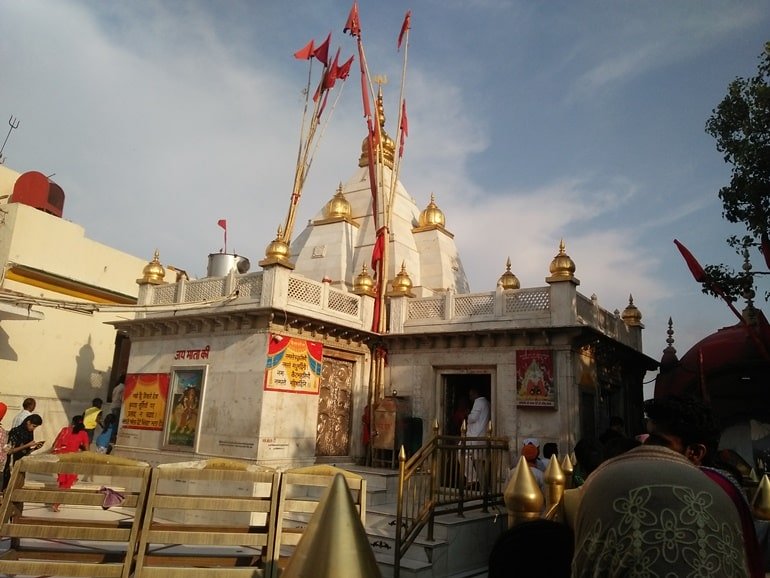
The connection of Naina Devi Temple, Bilaspur, Himachal Pradesh to Goddess Sati makes it one of the most revered Shakti worship sites in North India.


The Story of Goddess Sati and Its Spiritual Meaning

Goddess Sati was the daughter of King Daksha and the first consort of Lord Shiva.

Despite Shiva’s supreme spiritual status, Daksha disapproved of their union and openly disrespected him.

During a grand yagna organized by Daksha, Shiva was intentionally excluded and insulted.

Unable to tolerate the humiliation of her husband, Sati chose to sacrifice herself in the sacred fire.This act was not one of despair but of divine resolve.

Her sacrifice symbolized absolute devotion and the refusal to accept ego-driven injustice.

When Lord Shiva learned of her death, his grief transformed into uncontrollable cosmic sorrow, threatening the balance of creation.


How the Shakti Peetha Belief Emerged

Overwhelmed by loss, Shiva carried Sati’s body across the universe.

His grief disrupted cosmic order, compelling Lord Vishnu to intervene.

Using his divine power, Vishnu divided Sati’s body, allowing different parts to fall across the earth.Each place where a body part fell became a Shakti Peetha — a center of feminine divine energy.

It is believed that Sati’s eyes fell at the hilltop location where the temple now stands.

Eyes symbolize vision, awareness, and protection, which is why devotees associate this shrine with clarity, strength, and spiritual insight.


Why This Belief Still Holds Deep Relevance Today

Spiritual traditions survive only when they continue to resonate with human experience.

Pilgrims visiting the shrine often describe a strong emotional calm, even before entering the sanctum.

The quiet hills, open skies, and slow rhythm of prayer naturally encourage introspection.Similar emotional surrender is seen at global devotional centers such as ISKCON, Mayapur, West Bengal, where faith is practiced through discipline, devotion, and community connection.

Though rooted in different traditions, both places guide devotees toward humility, surrender, and inner balance.


Role of Rituals and Darshan in Strengthening Faith

Daily worship at the temple follows time-honored rituals passed down through generations.

Morning prayers focus on gratitude and intention, while evening aartis emphasize surrender and reflection.

Devotees often wait patiently, treating darshan not as a routine act but as a personal moment of connection.To support pilgrims seeking a peaceful experience, services like Naman Darshan are available.

This allows devotees to have an organized and calm darshan without crowd pressure, especially helpful for elders and families.

Such thoughtful arrangements show how tradition adapts while preserving spiritual integrity.


Why Devotees Feel a Living Presence

What makes this shrine truly powerful is not just mythology but continuity of belief.

Local families share stories of visiting during personal hardships, festivals, and life milestones.

Generations return with the same faith, reinforcing trust and spiritual authority.This continuity reflects experience, credibility, and authenticity — key elements of spiritual trustworthiness.

Faith here feels lived, not learned.


Connection With Other Ancient Centers of Power

Across India, sacred temples reflect different expressions of divine energy.

Though architectural styles and rituals vary, the underlying purpose remains the same — spiritual awakening.

This shared essence can be seen in ancient temples like Lingaraj Temple, Bhubaneswar, Odisha, where devotion, history, and living worship coexist seamlessly.Such parallels remind pilgrims that divine presence is not limited to one geography but flows across the land through faith.


FAQs

Why is the temple linked specifically to Goddess Sati’s eyes?

Eyes symbolize awareness and protection, making the site spiritually significant.Is this considered a Shakti Peetha?

Yes, traditional belief recognizes it as one of the sacred Shakti Peethas.Does modern infrastructure affect spiritual experience?

Facilities like Naman Darshan enhance comfort without compromising devotion.Can first-time visitors understand the significance easily?

Yes, the atmosphere and rituals naturally convey its spiritual importance.


Conclusion

The connection between Goddess Sati and this sacred shrine is not confined to mythology alone.

It continues to shape devotion, rituals, and personal faith even today.

Rooted in sacrifice, sustained by belief, and strengthened by generations of worship, the temple stands as a living symbol of divine feminine power.For devotees seeking clarity, strength, and spiritual grounding, this sacred connection remains timeless and deeply meaningful. ISKCON, Mayapur, West Bengal, Lingaraj Temple, Bhubaneswar, Odisha

Planning a family pilgrimage requires more than booking tickets and packing bags. It involves thinking about comfort, safety, time management, and meaningful experiences for every age group. A well-planned spiritual journey can strengthen family bonds while offering peace of mind. For families seeking a blend of devotion and scenic beauty, Naina Devi Temple, Bilaspur, Himachal Pradesh stands out as a destination that balances faith with accessibility.


Understanding the Spiritual Importance for Families

Naina Devi Temple is revered as one of the Shakti Peeths, making it a deeply respected site among devotees. For families, this visit is not just about darshan but about passing spiritual values across generations. Elders find solace in prayer, while children get exposed to India’s living traditions in a real-world setting rather than through stories alone.The temple’s hilltop location adds a sense of achievement and awe, making the experience memorable for first-time visitors and seasoned pilgrims alike.


Choosing the Right Time for a Comfortable Visit

Timing plays a critical role when traveling with family. Summers and early winters are generally more comfortable, especially for children and senior members. Navratri attracts large crowds and festive energy, but families preferring a calmer experience should plan around non-peak days.Early morning visits are ideal, as they reduce waiting time and allow families to enjoy the surroundings without rush.


Travel Planning: Road, Ropeway, and Family Comfort

Reaching the temple is relatively convenient, with well-connected roads from nearby cities. Families traveling with elders or small children often prefer the ropeway, which saves time and physical effort.

For those planning longer stays, selecting accommodation in Bilaspur town offers better amenities and medical access.When exploring temple culture across India, families often notice similarities in devotion and discipline. A visit to places like ISKCON, Mayapur, West Bengal highlights how spiritual centers adapt to family needs while preserving tradition.


Managing Darshan Without Stress

One of the most overlooked aspects of pilgrimage planning is darshan management. Long queues can tire children and elderly members. This is where organized darshan services, such as Naman Darshan, become valuable. These services help families plan their visit smoothly, reducing waiting time and allowing more focus on prayer and reflection rather than logistics.Such structured systems are especially useful during weekends and religious occasions.


Food, Rest, and Small Family Essentials

Carrying light snacks, water, and basic medicines ensures comfort during the visit. Around the temple area, simple vegetarian meals and prasad options are available. Families should take short breaks, especially after climbing steps or completing darshan, to avoid fatigue.Encouraging children to observe rituals respectfully and explaining their meaning can turn the visit into a learning experience rather than a tiring task.


Exploring Beyond the Temple

A family trip becomes richer when combined with nearby attractions. Scenic viewpoints around Gobind Sagar Lake offer moments of relaxation and photography. Local markets provide opportunities to purchase religious souvenirs and regional products, adding a cultural layer to the journey.Comparing architectural and ritual styles across regions deepens understanding. Temples such as Lingaraj Temple, Bhubaneswar, Odisha reflect how geography influences worship practices while maintaining shared spiritual roots.


Practical Tips for a Smooth Family Visit

  • Start early to avoid crowds
  • Choose ropeway access for elders and kids
  • Book accommodation in advance
  • Keep footwear easy to remove
  • Stay hydrated and take rest breaks

FAQs

Q1. Is the temple suitable for senior citizens?

Yes, ropeway services and paved paths make it accessible for elders.Q2. Can children comfortably visit the temple?

Yes, with proper planning, children can enjoy both the spiritual and scenic aspects.Q3. How much time should families allocate for the visit?

A half-day is sufficient for darshan and nearby exploration.Q4. Are organized darshan services worth it?

They are helpful for families seeking a hassle-free experience.


Conclusion

A family trip to this sacred destination is not just a religious outing—it is a shared journey of faith, learning, and togetherness. With thoughtful planning, attention to comfort, and a balanced itinerary, families can transform their visit into a deeply fulfilling experience. When devotion meets preparation, the journey becomes as meaningful as the destination itself.


Introduction

In Vedic traditions, every ritual begins with intention. This intention is formally expressed through Sankalp Grahan, a sacred step that defines the purpose of your puja. Many people perform rituals with devotion but miss this critical element, which connects the mind, body, and spiritual energy.

Sankalp is not just a verbal statement; it is a commitment that aligns your inner thoughts with divine blessings.

When practiced with awareness, it strengthens your faith and gives direction to your prayers.

This becomes especially important during Maha Laxmi Mata Puja, where the focus is on prosperity, stability, and removing financial obstacles.

A well-defined sankalp ensures that your worship is purposeful rather than mechanical.


What is Personal Sankalp Grahan?

Personal Sankalp Grahan is the act of declaring your intention before beginning a puja. It acts as a spiritual contract where you clearly state your purpose and seek divine support.

Core Components:

  • Your name and identity
  • Time and place of the ritual
  • Your specific intention (wealth, peace, debt relief, etc.)
  • A humble request for blessings

This process transforms a simple ritual into a meaningful spiritual practice.


Why Sankalp Matters in Lakshmi Puja

Sankalp is the foundation that gives direction to your puja. Without it, the ritual may lack focus and clarity.

Key Benefits:

  • Improves mental clarity and concentration
  • Strengthens your emotional connection with the ritual
  • Aligns your goals with spiritual energy
  • Enhances the overall impact of the puja
  • Encourages discipline and mindfulness

When and Where to Perform Sankalp

The effectiveness of Sankalp Grahan depends on the right timing and environment.

Ideal Timing:

  • During auspicious muhurat, especially evenings on Diwali or Fridays
  • Just before starting the main puja rituals

Ideal Setup:

  • A clean and शांत space in your home
  • A properly arranged puja altar

Many devotees today prefer guided assistance through trusted platforms like Naman Darshan to ensure that every step is performed correctly and in line with Vedic traditions.

For those seeking deeper spiritual strength, combining practices like Sunderkand Path Ayodhya can enhance emotional balance and inner clarity during challenging phases.


Step-by-Step Process of Personal Sankalp Grahan

Follow these structured steps to perform Sankalp effectively:

1. Preparation

  • Take a bath and wear clean traditional clothes
  • Sit facing east or north direction
  • Arrange essentials like water, flowers, and rice

2. Take Water in Your Hand

  • Hold a small amount of water in your right palm
  • Add rice grains or flowers if available

3. State Your Identity

Clearly mention:

  • Your name
  • Family details (if known)
  • Your current location

4. Declare Your Intention

Speak your purpose honestly, such as:

  • Financial stability
  • Business growth
  • Debt relief
  • Family well-being

5. Offer Your Prayer

Request Goddess Lakshmi to accept your sankalp and bless you with prosperity and peace.

6. Release the Water

  • Gently pour the water onto the ground or into a vessel
  • This symbolizes your commitment to the intention

What Should You Wear During Sankalp?

Proper attire reflects respect and purity during rituals.

Recommended Clothing:

  • Men: Kurta-pajama or dhoti
  • Women: Saree or traditional attire
  • Preferred colors: Yellow, red, or white

Avoid:

  • Dark or untidy clothes
  • Casual outfits

Common Mistakes to Avoid

To maintain the effectiveness of your sankalp, avoid these errors:

  • Performing the step without understanding its meaning
  • Lack of concentration or distractions
  • Rushing through the process
  • Incorrect pronunciation without guidance
  • Ignoring cleanliness and preparation

Role of Expert Guidance in Sankalp

Not everyone is familiar with detailed Vedic rituals. This is where structured support becomes valuable.Platforms like Naman Darshan help by offering:

  • Verified pandits with experience
  • Proper ritual guidance
  • Transparent processes with proof
  • Authentic Vedic methods

This ensures that your sankalp and puja are performed correctly and with spiritual integrity.


Spiritual Relevance of Sankalp in Daily Life

Sankalp is more than a ritual—it is a mindset. It teaches you to define your goals clearly and stay committed to them.When combined with practices like Shiv Rudrabhishek, it creates a balanced approach that supports both spiritual growth and material stability.

This combination helps individuals stay focused, disciplined, and aligned with their life goals.


FAQs

1. What is Sankalp Grahan in simple terms?

It is the process of declaring your intention before starting a puja.

2. Is Sankalp necessary for Lakshmi Puja?

Yes, it is an essential step that gives direction and meaning to the ritual.

3. Can I perform Sankalp without a pandit?

Yes, but proper understanding and focus are important for accuracy.

4. What should I include in my Sankalp?

Your name, purpose of the puja, and a request for blessings.

5. Does Sankalp really make a difference?

Yes, it helps align your thoughts and actions, making the ritual more effective.


Conclusion

Personal Sankalp Grahan is the core of any meaningful puja. It transforms a routine ritual into a focused spiritual practice by clearly defining your intentions. When performed with sincerity, discipline, and proper understanding, it strengthens your connection with divine energy and enhances the results of your efforts.

Whether you perform the ritual independently or with expert guidance, the clarity of your sankalp will always determine the depth and impact of your puja.


Sunderkand Path Ayodhya Shiv RudrabhishekShiv Rudrabhishek

Introduction

A visit to Ujjain holds deep spiritual meaning for devotees of Lord Shiva. Every year, pilgrims travel from across India with the hope of experiencing a peaceful and fulfilling darshan. However, the large number of visitors, especially during Mondays and festival seasons, often leads to long waiting hours. Managing time efficiently becomes essential for a smooth temple visit. Mahakaleshwar Jyotirlinga, Ujjain, Madhya Pradesh is one of the most sacred Jyotirlingas and attracts a constant flow of devotees throughout the year.Priority entry is a structured system designed to reduce waiting time while maintaining the sanctity of temple rituals. It allows devotees to plan their visit more effectively and focus on their spiritual experience rather than logistical challenges.


What Priority Entry Means

Priority entry is not about changing rituals or offering special religious privileges. It is a crowd-management system that ensures smooth movement of devotees inside the temple complex.Key benefits include:

  • Reduced waiting time compared to general queues
  • Organized entry through designated time slots
  • Better crowd control during peak hours
  • Convenience for families and elderly devotees

This system helps maintain discipline while ensuring a calm environment for worship.


Steps to Secure Priority Entry

Getting priority entry requires careful planning and adherence to official procedures. Devotees should rely only on authorized sources for booking.Follow these steps:

  • Check availability through official temple booking platforms
  • Select a suitable date and time slot based on your travel plan
  • Enter accurate personal details during registration
  • Carry valid government-issued identification
  • Reach the reporting point within the assigned time window

Advance booking is always recommended, particularly during busy periods.


Planning During Peak Seasons

Festivals and auspicious months significantly increase crowd levels in Ujjain. Devotees visiting during these times should prepare well in advance to avoid inconvenience.Similar crowd management practices are followed at Kashi Vishwanath Temple Varanasi, where organized entry systems help maintain order during heavy pilgrim traffic. Learning from such systems highlights the importance of early planning and disciplined entry.Choosing early morning slots and staying updated with official announcements can improve the overall experience.


Role of Trusted Darshan Services

For first-time visitors, understanding booking procedures and temple guidelines can sometimes be confusing. In such cases, reliable assistance services can provide useful guidance.Naman Darshan service is often referred to by devotees for helping them understand scheduling, documentation, and entry processes. Their role is to assist with proper coordination, ensuring that pilgrims follow the correct steps without unnecessary confusion.With the right guidance, devotees can approach their visit with confidence and clarity.


Important Tips for a Smooth Visit

To ensure a hassle-free experience, keep the following points in mind:

  • Avoid relying on unauthorized agents
  • Always carry valid ID proof for verification
  • Follow the temple dress code and discipline
  • Arrive early to complete entry procedures smoothly
  • Respect temple staff and other devotees

These simple precautions help maintain order and enhance the spiritual atmosphere.


Learning from Other Pilgrimage Sites

Many prominent temples in India follow structured entry systems to manage large crowds efficiently. Devotees visiting Ram Janmabhoomi, Ayodhya also experience organized arrangements that help maintain discipline and smooth movement within the temple premises.Such systems show that proper planning and structured access can significantly improve the pilgrimage experience while preserving religious traditions.


Frequently Asked Questions (FAQs)

  • Is priority entry available every day?
    Availability depends on temple schedules, crowd levels, and special occasions.
  • Does priority entry guarantee immediate darshan?
    It reduces waiting time but still follows temple procedures and security checks.
  • Can I book priority entry on the same day?
    Limited slots may be available, but advance booking is highly recommended.
  • Is identification mandatory for entry?
    Yes, valid government-issued ID is required for verification.
  • Are there dress code rules for entry?
    Yes, devotees are expected to wear modest and appropriate attire.

Conclusion

Getting priority entry is a practical way to manage your temple visit efficiently while maintaining a peaceful and respectful environment. By following official booking methods, planning ahead, and respecting temple guidelines, devotees can avoid long queues and focus on their spiritual journey. A well-prepared visit not only saves time but also enhances the overall experience, allowing pilgrims to connect deeply with their faith in a calm and meaningful way. Kashi Vishwanath Temple Varanasi,Ram Janmabhoomi, AyodhyaRam Janmabhoomi, AyodhyaRam Janmabhoomi, Ayodhya

Introduction

Planning a spiritual ritual requires more than devotion; it also requires proper preparation and awareness of the sacred procedures involved. Many devotees prefer attending organized temple ceremonies where the rituals are performed according to traditional scriptures and guided by experienced priests. Knowing the correct timing and sequence of the worship allows devotees to participate with greater focus and respect for the spiritual process. This is especially important when planning a visit for Maha Shakti Tridevi Puja.When devotees have access to clear information about the schedule, materials required, and the order of rituals, the entire spiritual experience becomes more meaningful. Instead of feeling rushed or confused at the temple, they can approach the ceremony calmly and participate with devotion.


Importance of Knowing Puja Timing in Advance

In Hindu traditions, the timing of a ritual is considered highly significant. Many ceremonies are performed during specific auspicious periods determined according to the Hindu calendar and astrological calculations.Knowing the correct schedule helps devotees:

  • Attend during the most auspicious time recommended by priests.
  • Avoid long waiting periods at temples during peak hours.
  • Prepare required offerings such as flowers, fruits, and sacred items in advance.
  • Plan travel arrangements especially when visiting temples located in other cities.
  • Participate peacefully without the stress of last-minute confusion.

When devotees understand the timing beforehand, they can align their personal prayers and intentions with the sacred ritual.


Understanding the Ritual Process Before Attending

Many traditional pujas follow a specific sequence of steps that symbolize purification, devotion, and divine invocation. Learning about these steps in advance allows devotees to connect more deeply with the ceremony.Typical ritual preparation may include:

  • Purification through sacred water and prayers
  • Invocation of divine energies through mantras
  • Offering flowers, incense, and lamps
  • Chanting of sacred hymns by priests
  • Final blessings and distribution of prasad

When devotees know these stages beforehand, they can participate respectfully and understand the spiritual significance of each step.


How Proper Ritual Knowledge Enhances the Spiritual Experience

Devotees who understand the meaning of rituals often feel a stronger spiritual connection during temple ceremonies. Knowledge helps transform the ritual from a routine act into a meaningful devotional practice.For example, rituals such as Shiv Rudrabhishek also follow precise procedures and sacred chanting that devotees often learn about before attending. Understanding such practices encourages deeper respect for the traditions preserved in temples across India.When devotees are aware of these details, they become more attentive during the ceremony and feel spiritually engaged throughout the process.


Role of Organized Darshan and Puja Services

In many popular temples, large crowds can make it difficult for devotees to obtain clear information about timings or ritual procedures. Organized services can help simplify the process by guiding devotees with reliable details and structured arrangements.Some spiritual facilitation platforms help devotees by providing:

  • Verified puja schedules
  • Assistance with booking rituals in advance
  • Guidance about temple rules and participation procedures
  • Updates about festival dates and special ceremonies

For example, services such as Naman Darshan help devotees receive timely information about temple rituals and sacred ceremonies. Their role is mainly to simplify the process so devotees can focus on devotion rather than logistics.


Benefits of Planning a Puja Visit in Advance

Careful planning allows devotees to experience temple rituals without unnecessary stress. Instead of managing travel, scheduling, and ritual preparations at the last moment, advance preparation ensures a peaceful and organized visit.Key advantages include:

  • Better time management: Devotees can align travel plans with the temple schedule.
  • Spiritual focus: When logistics are handled beforehand, devotees can concentrate on prayers and meditation.
  • Family participation: Organized planning allows families to attend together and share the spiritual experience.
  • Respect for temple traditions: Understanding rules and procedures helps maintain the sanctity of the ritual environment.

Planning also helps devotees prepare mentally and spiritually before participating in sacred worship.


Importance of Understanding Traditional Ritual Methods

Many ancient rituals are deeply symbolic and represent devotion through structured offerings and prayers. One such traditional method is Shodashopachar Puja, which involves sixteen ceremonial offerings made to the deity as a gesture of respect and devotion.Learning about these practices helps devotees appreciate the spiritual depth of temple rituals and understand why priests follow specific procedures during worship.


Conclusion

Proper knowledge of ritual timing and procedures plays an important role in enhancing the spiritual experience of devotees. When people are informed about the schedule, traditions, and preparation required for sacred ceremonies, they are able to participate with greater devotion and clarity.Understanding the significance of each ritual step allows devotees to connect more deeply with the divine and appreciate the cultural heritage preserved within temple traditions. With the availability of reliable information and organized guidance, devotees can plan their temple visits effectively and focus on what truly matters — sincere prayer, spiritual reflection, and devotion.Ultimately, thoughtful preparation transforms a simple temple visit into a meaningful spiritual journey that leaves devotees feeling peaceful, inspired, and spiritually fulfilled.


Frequently Asked Questions

1. Why is it important to know puja timing before visiting a temple?

Knowing the correct timing helps devotees attend during auspicious periods and avoid confusion or long waiting times at crowded temples.

2. Can devotees participate in temple rituals without prior knowledge?

Yes, but understanding the ritual process beforehand helps devotees appreciate the spiritual significance and participate respectfully.

3. How can devotees find authentic information about temple rituals?

Temple authorities, official websites, and trusted spiritual platforms often provide accurate details about ritual schedules and guidelines.

4. Do all Hindu rituals follow a structured process?

Most traditional rituals follow specific procedures guided by scriptures and performed by trained priests to maintain authenticity.

5. How does advance planning improve the spiritual experience?

Advance preparation removes logistical stress, allowing devotees to focus fully on prayer, devotion, and the spiritual meaning of the ritual.Shiv RudrabhishekShodashopachar Puja

Introduction

A pilgrimage to a sacred Shiva temple is often planned with deep faith and personal devotion.

Devotees travel from across the country hoping to spend a few peaceful moments in prayer and spiritual reflection.

However, large crowds at important pilgrimage sites can sometimes make the experience physically demanding.

This is especially common at Trimbakeshwar Jyotirlinga, where thousands of pilgrims arrive every day.Because of the high number of visitors, temple administrations and travel planners now encourage better preparation before visiting. One approach that many pilgrims consider is VIP darshan. This option allows devotees to manage their time more effectively while maintaining the spiritual purpose of their visit.When planned properly, VIP access can transform a stressful visit into a calm and well-organized pilgrimage experience.


Understanding the Concept of VIP Darshan

VIP darshan is essentially a structured temple entry system designed to manage heavy visitor flow. Instead of standing in general queues for long hours, devotees receive a designated entry window that allows smoother movement toward the sanctum.This approach is not meant to replace traditional devotion but to improve crowd management. The primary goal is to ensure that pilgrims can complete their darshan with greater comfort and clarity.

Common features of VIP darshan include:

  • A designated entry route separate from the general queue
  • Reduced waiting time during peak hours
  • More predictable darshan schedules
  • Easier access for elderly devotees and families
  • Improved crowd control within the temple premises

When these elements work together, the temple environment becomes more organized and peaceful.


Why Pilgrims Prefer VIP Darshan Today

Over the past decade, the number of devotees visiting major Shiva temples has increased significantly. Festivals such as Mahashivratri, Shravan Mondays, and special puja days attract massive gatherings.As a result, many pilgrims now look for ways to ensure that their spiritual visit remains calm rather than exhausting.

Key reasons devotees choose VIP darshan

  • Time efficiency: Ideal for pilgrims with limited travel schedules
  • Physical comfort: Reduces long standing hours in queues
  • Better planning: Helps coordinate temple visits with travel and accommodation
  • Peaceful worship: Allows devotees to focus on prayer rather than crowd stress

Many experienced travelers now consider this option an important part of modern pilgrimage planning.


Lessons from Other Major Jyotirlinga Pilgrimages

Crowd management strategies have been adopted at many well-known Shiva temples across India. These systems help balance devotion with practical logistics.For example, temples such as  Mahakaleshwar Jyotirlinga, Ujjain, Madhya Pradesh  have introduced structured entry arrangements to help manage the continuous flow of pilgrims. By organizing darshan schedules and improving queue systems, these temples have significantly enhanced visitor experiences.Such examples show that thoughtful planning and organized access can preserve the sanctity of worship while improving comfort for devotees.


The Role of Planning in a Smooth Pilgrimage

A successful temple visit rarely happens by chance. It usually depends on careful preparation and awareness of temple procedures.

Practical tips many experienced pilgrims follow:

  • Check temple darshan timings before traveling
  • Visit early morning when crowds are relatively lower
  • Keep necessary identification and booking confirmations ready
  • Plan accommodation close to the temple premises
  • Avoid peak festival hours if flexibility allows

Following these simple steps can help devotees avoid unnecessary stress during their pilgrimage.


How Darshan Assistance Services Support Devotees

In recent years, several pilgrimage coordination services have emerged to help devotees manage temple visits more efficiently. These services assist with information, scheduling, and darshan arrangements.One such example is Naman Darshan, which helps pilgrims understand temple procedures and organize their visit more smoothly. Instead of spending time searching for accurate information, devotees can rely on such guidance to plan their darshan schedule effectively.These services do not replace the spiritual aspect of pilgrimage. Instead, they simplify the logistical side so that visitors can focus on devotion.


Benefits of a Structured Darshan Experience

When temple visits are properly organized, devotees often report a much more fulfilling experience.

Some practical advantages include:

  • Reduced physical fatigue from long queues
  • Improved crowd flow inside temple corridors
  • Safer environment for elderly visitors
  • Better opportunity to participate in rituals
  • More peaceful moments for personal prayer

These benefits help pilgrims maintain the spiritual focus that is central to any temple visit.


Frequently Asked Questions

1. Is VIP darshan available throughout the year?

Availability depends on temple administration policies and seasonal crowd conditions. During festivals, demand for such entry options may increase significantly.

2. Does VIP entry affect the spiritual value of darshan?

No. Devotion, prayer, and faith remain the same. VIP entry simply helps manage large crowds more efficiently.

3. Is VIP darshan suitable for families?

Yes. Many families prefer this option because it reduces waiting time and physical strain.

4. Can first-time pilgrims benefit from organized darshan planning?

Absolutely. Proper planning helps new visitors understand temple procedures and avoid unnecessary confusion.


The Changing Nature of Pilgrimage in India

Pilgrimage traditions in India have existed for centuries, but the scale of travel has increased dramatically in modern times. Millions of devotees now visit sacred temples each year.As a result, organized visitor management has become an important part of maintaining both safety and spiritual harmony. Temples like Omkareshwar Temple also illustrate how structured systems can help maintain order while respecting religious traditions.These developments show that thoughtful planning can enhance, rather than diminish, the sacredness of a pilgrimage.


Conclusion

A temple visit should ideally be peaceful, meaningful, and spiritually uplifting. However, large crowds and long waiting hours can sometimes make the experience physically exhausting.VIP darshan offers a practical way to balance devotion with convenience. By reducing waiting time and improving crowd management, it allows pilgrims to focus more on prayer and reflection.When devotees plan their visit carefully and use reliable guidance, the pilgrimage becomes far more fulfilling. Ultimately, the true purpose of any temple journey is spiritual connection—and a well-organized darshan experience helps devotees achieve that goal with greater peace and clarity.Mahakaleshwar Jyotirlinga, Ujjain, Madhya Pradesh     Omkareshwar Temple Omkareshwar Temple

A spiritually fulfilling journey begins with thoughtful preparation rather than last-minute arrangements. Visiting a Himalayan shrine requires clarity about timing, travel logistics, and personal readiness. Many pilgrims assume that a VIP visit is about shortcuts, but in reality it is about planning wisely to protect your time and energy. A carefully organized trip to neelkanth mahadev temple rishikesh allows devotees to experience darshan peacefully, without unnecessary confusion or physical strain.This guide is based on practical travel considerations, temple discipline, and commonly followed pilgrimage practices. The objective is to help you plan efficiently while maintaining reverence and authenticity.


What Does a VIP Visit Actually Mean?

A VIP visit is not about privilege over others. It simply means:

  • Better time management
  • Reduced waiting stress
  • Comfortable travel arrangements
  • Clear understanding of temple entry systems
  • Respectful coordination with local authorities

The focus remains on devotion, not on bypassing tradition.


Choosing the Right Time for Darshan

Timing plays the most important role in a smooth visit.Best Practices:

  • Arrive early morning between 5:00–7:00 AM
  • Prefer weekdays over weekends
  • Avoid major festival days unless fully prepared
  • Stay overnight in Rishikesh for an early start

Morning hours provide cooler weather, lighter queues, and calmer surroundings.


Travel and Stay Planning

Since the temple is located around 32 km from Rishikesh in a forested hill region, proper transport planning is essential.Travel Tips:

  • Book a reliable private taxi in advance
  • Avoid peak traffic hours
  • Carry minimal luggage
  • Wear comfortable walking footwear

Experienced pilgrims who have visited major shrines like shree somnath jyotirling temple often emphasize that discipline in timing and route planning significantly enhances the darshan experience.For accommodation, staying near Tapovan or Lakshman Jhula ensures easier early departure and better connectivity.


What to Carry for a Comfortable Experience

Simple preparation can prevent discomfort.Carry:

  • Government ID
  • Water bottle
  • Light snacks
  • Basic medicines
  • Modest clothing

Avoid:

  • Heavy bags
  • Loud conversations
  • Ignoring temple rules

Maintaining simplicity reflects spiritual maturity.


Role of Organized Darshan Support

During peak periods, first-time visitors may face confusion regarding entry queues and timing coordination. Some pilgrims opt for structured assistance through trusted references who understand local systems.Services such as Naman Darshan are occasionally mentioned among devotees as a coordination support option, helping streamline entry timing and movement while respecting temple protocols. Such assistance is especially useful for families, senior citizens, or visitors with limited time.


Mental and Spiritual Preparation

A VIP visit should begin with internal readiness.

  • Practice patience
  • Accept waiting with calmness
  • Focus on prayer rather than crowd comparison
  • Maintain respectful behavior at all times

True spiritual depth comes from discipline and humility.


Learning from Other Jyotirlinga Experiences

Pilgrims who regularly visit sacred Shiva sites understand the importance of structure and devotion.

Many describe similar crowd management systems at bhimashankar jyotirlinga temple, where orderly planning allows for peaceful darshan despite heavy footfall.These shared experiences across major shrines reinforce one key lesson: preparation protects spiritual focus.


Frequently Asked Questions (FAQs)

Q1. Is VIP darshan officially available year-round?

Availability varies depending on season and temple administration policies.Q2. What is the ideal duration for a VIP visit?

Typically 3–5 hours including travel from Rishikesh.Q3. Is the route safe for senior citizens?

Yes, but early travel and private transport are strongly recommended.Q4. Can I visit during monsoon?

Yes, but check road conditions in advance.


Conclusion

A VIP visit is not about special treatment—it is about intentional planning. When travel, timing, and mental preparation are aligned, the experience becomes calm and meaningful. By starting early, carrying only essentials, and maintaining patience, devotees can preserve the sanctity of their pilgrimage.Careful organization ensures that your journey remains spiritually centered rather than logistically overwhelming. With clarity and discipline, your visit transforms from a routine temple trip into a deeply personal and peaceful spiritual milestone. shree somnath jyotirling temple  bhimashankar jyotirlinga templebhimashankar jyotirlinga temple

A VIP pilgrimage is not about luxury; it is about clarity, calm, and spiritual focus. When visiting an ancient Himalayan shrine, planning becomes essential to protect both your time and inner peace. Crowd pressure, travel confusion, and poor timing can distract from devotion. That is why thoughtful preparation is the key to a fulfilling experience. Neelkanth Mahadev Temple Rishikesh offers divine energy best experienced with patience, discipline, and mindful planning.This guide is written to help devotees plan a smooth, respectful, and spiritually enriching VIP visit without unnecessary stress.


Understanding What a VIP Visit Truly Means

A VIP visit does not imply bypassing faith or tradition. It simply ensures:

  • Better time management
  • Reduced physical strain
  • Focused darshan without confusion
  • Respect for temple rules and crowd systems

The aim is to experience devotion deeply rather than rush through rituals.


Best Time and Day for a VIP Darshan

Choosing the right timing is the foundation of VIP planning.Recommended options:

  • Early morning hours between 5:00–7:00 AM
  • Weekdays instead of weekends
  • Avoiding major festival dates unless well-prepared

Early visits allow calm surroundings, shorter waiting times, and clearer movement around the sanctum.


Travel Planning and Local Coordination

The temple is located in a forested hilly area, making transport planning critical.Key travel tips:

  • Stay overnight in Rishikesh for an early start
  • Arrange private or pre-booked local transport
  • Carry minimal belongings to move easily

Experienced pilgrims often say that visiting Shiva temples with proper planning mirrors the discipline followed at Mahakaleshwar Jyotirlinga, Ujjain, Madhya Pradesh, where timing and order are central to the spiritual process.


What to Carry and What to Avoid

Smart preparation enhances comfort and respect.Carry:

  • Valid ID
  • Comfortable footwear
  • Light woolens
  • Water bottle

Avoid:

  • Heavy bags
  • Loud conversations
  • Photography near restricted zones

Maintaining simplicity aligns with the spiritual environment.


Role of Organized Darshan Assistance

During peak seasons or weekends, first-time visitors often struggle with route clarity and darshan flow. Some pilgrims quietly rely on trusted references who understand temple timing, entry coordination, and crowd patterns.Services like Naman Darshan are often mentioned among devotees as a supportive option for those seeking smoother movement and better time management—without disturbing the sanctity of the visit.


Mental Preparation for a Meaningful Experience

VIP planning is incomplete without mental readiness.

  • Stay calm during waiting periods
  • Accept delays with patience
  • Focus on prayer rather than comparison

Spiritual depth increases when expectations are grounded and respectful.


Connecting the Experience to Greater Pilgrimage Wisdom

Pilgrims who regularly visit Himalayan shrines often notice a shared spiritual rhythm across sacred sites.

Many describe the silence and surrender here as similar to what they feel while approaching badrinath temple, where devotion grows stronger through simplicity and discipline rather than speed.


Frequently Asked Questions (FAQs)

Q1. Is VIP darshan allowed year-round?

Yes, but availability and crowd conditions vary by season.Q2. Is advance planning necessary?

Strongly recommended, especially on weekends.Q3. Are senior citizens comfortable with VIP visits?

Yes, early timings and assistance make it easier.Q4. Is mobile connectivity reliable?

Network may be weak; plan accordingly.


Conclusion

A VIP visit is not about privilege—it is about presence. When planned correctly, the journey becomes calm, respectful, and spiritually uplifting. Thoughtful timing, light travel, and mental readiness allow you to absorb the sacred energy without distraction.With the right approach, your visit transforms from a task into a timeless spiritual memory—one rooted in devotion, discipline, and inner silence. Mahakaleshwar Jyotirlinga, Ujjain, Madhya Pradesh,

Pilgrimage to the Himalayas is not just about reaching a destination. It is about preparing the mind, body, and spirit for a meaningful experience. For many devotees, managing travel, queues, and logistics can feel overwhelming. This is where badrinath temple VIP packages quietly transform the entire journey into a calm, focused, and spiritually rewarding visit.

Understanding the Challenges of a Traditional Pilgrimage

A visit to Badrinath often involves long travel hours, unpredictable weather, and heavy seasonal crowds.

First-time pilgrims especially struggle with unclear procedures, accommodation availability, and darshan timelines.

Senior citizens and families with children face additional physical and emotional strain.

Without proper planning, spiritual intent can easily get overshadowed by exhaustion and confusion.VIP pilgrimage packages are designed to reduce these frictions without interfering with the sanctity of worship.

What VIP Packages Actually Include

Contrary to popular belief, VIP packages are not about luxury.

They are about structured support and time efficiency.Most well-designed VIP services include:

  • Priority darshan coordination to reduce waiting time
  • Assistance with temple entry protocols and rituals
  • Pre-arranged accommodation close to the temple area
  • On-ground guidance for senior citizens and families
  • Clear schedules that align travel, rest, and worship

Services like Naman Darshan focus specifically on respectful facilitation rather than commercialization, ensuring devotees experience darshan with dignity and peace.

How VIP Planning Improves the Spiritual Experience

Spiritual focus requires mental stillness.

When devotees are not worried about queues, directions, or schedules, attention naturally shifts inward.

VIP planning removes distractions, allowing pilgrims to engage more deeply with prayers, rituals, and reflection.Instead of rushing from one task to another, pilgrims gain time to absorb the atmosphere of the shrine, observe traditions, and connect emotionally with the journey.

Comparing Different Sacred Journeys

Many pilgrims combine multiple spiritual destinations within a single itinerary.

A well-planned pilgrimage often includes stops at revered sites across Uttarakhand and beyond.

For example, devotees visiting neelkanth mahadev temple rishikesh often realize how guided access and proper timing significantly improve their experience.This comparison highlights an important insight:

Spiritual depth is enhanced not by speed, but by thoughtful organization.

Why VIP Packages Are Especially Helpful During Peak Season

Peak pilgrimage months bring massive crowds and unpredictable delays.

Without structured support, even simple tasks like darshan entry or accommodation check-ins become stressful.VIP packages help by:

  • Allocating fixed darshan slots
  • Managing crowd-sensitive entry timings
  • Offering contingency support during weather disruptions
  • Ensuring pilgrims are not physically overstrained

This is particularly important for elderly devotees, who benefit from minimized walking distances and waiting periods.

Trust, Experience, and Authentic Guidance

E-E-A-T principles matter deeply in pilgrimage planning.

Devotees place trust not only in spiritual traditions but also in the people guiding them.Reliable VIP services are usually managed by teams with:

  • Years of on-ground experience
  • Deep understanding of temple protocols
  • Respect for religious sentiments
  • Transparent communication

Naman Darshan service is often referenced for maintaining this balance between logistical efficiency and devotional respect, which builds long-term trust among pilgrims.

A Broader Spiritual Perspective

Pilgrimage is not limited to one shrine.

Devotees often reflect on how structured darshan experiences at different sacred sites shape their overall faith journey.

Many pilgrims draw parallels with organized worship experiences at Mahakaleshwar Jyotirlinga, Ujjain, Madhya Pradesh, where planning and discipline enhance spiritual immersion rather than limit it.This reinforces the idea that respectful facilitation supports devotion instead of diluting it.

Frequently Asked Questions

Are VIP packages suitable for first-time pilgrims?

Yes. They provide clarity, guidance, and confidence, especially for those unfamiliar with temple procedures.

Do VIP packages affect religious authenticity?

No. When handled responsibly, they preserve rituals while reducing physical and logistical strain.

Is VIP planning only for elderly devotees?

Not at all. Families, working professionals, and short-duration travelers benefit equally.

How early should VIP services be planned?

Ideally, bookings should be made well in advance, especially during peak pilgrimage months.

Conclusion

A pilgrimage should leave a devotee spiritually fulfilled, not physically drained.

VIP packages simplify the journey by removing uncertainty, improving comfort, and allowing focus on devotion rather than logistics.

When supported by experienced and respectful services, the pilgrimage becomes what it is meant to be — a deeply personal and peaceful spiritual encounter.Thoughtful planning does not replace faith.

It protects it.neelkanth mahadev temple rishikeshMahakaleshwar Jyotirlinga, Ujjain, Madhya Pradesh

Planning a temple tour around Mayapur is more than just a journey it’s an awakening of the soul. The sacred town, nestled in the Nadia district of West Bengal, is a magnet for devotees, travelers, and anyone seeking spiritual serenity. Before setting out, it’s essential to know the best time to visit ISKCON Mayapur Nadia West Bengal, so you can experience both the tranquil rhythms of daily devotion and the grandeur of festive celebrations. The months between November and March are particularly ideal, offering pleasant weather and an atmosphere that enhances your spiritual experience.A temple tour in and around Mayapur is not simply about visiting shrinesit’s about immersing yourself in the sacred stories that echo through every corner. Begin with the ISKCON Chandrodaya Mandir, the heart of Mayapur’s spiritual life. Witness the enchanting morning aarti as the temple bells ring in harmony with the rising sun. The sight of devotees gathering for Naman Darshan—where the deities are unveiled for a divine glimpse is profoundly moving. It’s a moment of stillness that leaves visitors with lasting peace. The sprawling complex also features the Temple of Vedic Planetarium, an architectural marvel blending modern design with ancient philosophy.Beyond the temple grounds, the surrounding region offers hidden spiritual gems and historical insights. A short journey from Mayapur takes you to nearby temples and ghats, each holding stories of faith and devotion. The serene banks of the Ganga invite quiet reflection or a soothing boat ride, where the chanting from distant temples floats over the water. Local guides and residents are always eager to share anecdotes about the town’s deep connection with Sri Chaitanya Mahaprabhu, whose teachings of love and unity form the very foundation of Mayapur’s spirit.As you continue your temple exploration, consider extending your journey to nearby spiritual landmarks. One such place that blends heritage and devotion beautifully is the Belur Math Temple, located near Kolkata. Founded by Swami Vivekananda, this serene spot serves as the headquarters of the Ramakrishna Mission and reflects the harmony of all religions. Its tranquil riverfront setting and majestic architecture make it a fitting complement to Mayapur’s devotional energy. Visiting both Mayapur and Belur Math allows travelers to experience two distinct yet interconnected expressions of India’s spiritual essence—one rooted in bhakti (devotion) and the other in selfless service.When planning your itinerary, balance your time between temple visits, spiritual activities, and moments of rest. Morning aartis are the heart of temple life, while evenings often bring soulful kirtans that unite visitors from every corner of the world. If you’re staying overnight, ISKCON guesthouses and local accommodations offer clean, peaceful rooms at reasonable prices. Many even include vegetarian meals prepared with devotion, giving visitors a taste of simple living and spiritual nourishment.Pack light and dress modestly, as most temples require covered shoulders and legs as a mark of respect. Comfortable footwear is essential since you’ll spend hours walking between temple sites and exploring local attractions. Don’t forget to carry a notebook or journal—many travelers find themselves inspired to reflect and write down thoughts that arise during meditation or while attending devotional sessions.One of the joys of a temple tour is discovering how each place connects to another, much like pearls strung together by devotion. After soaking in the divine energy of Mayapur, pilgrims often continue their spiritual trail through South India. For instance, a journey to the Varadharaja Perumal Temple Kanchipuram can be a profound experience, as it stands among India’s most revered Vishnu temples. The intricate architecture, ancient rituals, and the calm of this temple complement the devotional depth found in Mayapur, making it a worthy addition to your itinerary.To make the most of your temple tour, plan transportation in advance. From Kolkata, you can reach Mayapur by road or rail, with frequent buses and trains connecting to Nabadwip Dham station. Hiring a local cab from there ensures a comfortable ride to the temple complex. Many travelers prefer to club their Mayapur trip with a visit to Belur Math, making it a perfect two-day circuit for those short on time. The journey itself is as spiritual as the destination—passing through lush green fields, small villages, and glimpses of rural Bengal that seem untouched by time.While at ISKCON Mayapur, don’t miss participating in prasadam seva (serving sanctified food) or attending evening discourses that explain the essence of Bhagavad Gita and devotional living. These moments are more than rituals—they are lessons in humility and love. The atmosphere here is not limited to religious followers; it welcomes seekers from all walks of life. You’ll find people from over a hundred nations praying together, reflecting the true meaning of universal brotherhood.Before concluding your journey, take a walk through the Mayapur campus during twilight. The temple lights reflecting on the river, the sound of conch shells, and the chants filling the air create an ambiance that stays with you long after you’ve left. Whether you’re a seasoned devotee or a curious traveler, Mayapur invites you to slow down, breathe, and reconnect with something eternal within.A temple tour around ISKCON Mayapur Nadia West Bengal is not merely a trip—it’s a spiritual dialogue between the heart and the divine. Each visit offers something new: peace, understanding, or a renewed sense of purpose. The journey may begin with a map and itinerary, but it ends with an inner awakening that no guidebook can truly capture.
 Belur Math Temple Varadharaja Perumal Temple Kanchipuram

There are places in India where spirituality doesn’t just exist — it breathes through every stone, echoing centuries of devotion and cultural brilliance. One such sacred destination is the magnificent Varadharaja Perumal Temple Kanchipuram, a site that continues to inspire awe among devotees, historians, and travelers alike. Nestled in the temple town of Kanchipuram in Tamil Nadu, this shrine stands as a timeless symbol of devotion to Lord Vishnu and an architectural wonder that captures the grandeur of South Indian temple design. Many who visit say they don’t just witness history — they feel it. The atmosphere around the temple radiates a calm that seems to whisper stories of ancient faith.The temple’s sanctity lies in more than its towering gopurams or intricate sculptures — it’s rooted in belief, devotion, and continuity. It is said that the temple was originally constructed during the reign of the Chola kings and later expanded by the Vijayanagara rulers. This layered evolution gives it a rare charm, where each corridor feels like a chapter of India’s spiritual journey. The presiding deity, Lord Varadharaja Perumal (a manifestation of Lord Vishnu), is believed to grant blessings of prosperity and wisdom to those who visit with pure intent. Locals often speak of subtle experiences — the cool breeze in the sanctum, the unexpected calm during prayers, or the way time seems to slow down inside the complex. These experiences, though intangible, add to the temple’s sacred identity.What truly makes this temple special is its balance between devotion and artistry. The temple’s 100-pillar hall is a masterpiece carved from granite, showcasing scenes from epics like the Ramayana and Mahabharata. Unlike other temples where grandeur overshadows serenity, here the two coexist beautifully. You can hear the gentle sounds of bells and chants blending harmoniously, almost like nature and faith are in conversation. Devotees often compare their visit to entering another realm — where the world outside fades and the soul becomes still.Interestingly, the sacredness of this temple can also be compared to other centers of spiritual reflection like Belur Math Temple, where devotion transcends rituals and becomes a way of life. Just as Belur Math symbolizes unity and peace through simplicity, Varadharaja Perumal Temple embodies the same spiritual essence through art, tradition, and enduring devotion. Each structure within its complex — from the sanctum to the temple tank — is a silent teacher of patience, discipline, and surrender. The temple tank, called Anantha Theertham, is especially revered. It is here that an idol of Lord Varadaraja, carved in wood, is kept submerged under water and brought out only once every 40 years for worship — a tradition that reflects deep reverence for preservation and purity.The temple is not just a monument but a living institution of faith. Even today, rituals are performed in the traditional way, keeping alive customs that date back centuries. The priests chant in ancient Sanskrit verses, and visitors join hands in silence, feeling a collective wave of peace. The architecture itself encourages introspection — long corridors guide your steps slowly toward the deity, teaching patience as a form of devotion. Many travelers share how their first visit changed their perception of what sacredness truly means. It’s not always about miracles or grand gestures; sometimes, it’s about the quiet presence that lingers long after you’ve left the temple.When Naman Darshan, a traveler known for exploring India’s spiritual landmarks, visited the temple, he described it as “a place that humbles you without saying a word.” He noted how even people who are not deeply religious find themselves drawn to the calmness and dignity of the space. His observation highlights why this temple continues to attract not just devotees but also thinkers, artists, and seekers of peace. It offers an experience that transcends religion and connects directly with the human spirit — reminding us that faith, when expressed through art and sincerity, becomes universal.The community around the temple also contributes to its sacred aura. Local artisans craft items used in temple rituals, families prepare offerings with devotion, and elders narrate stories of divine events linked to the site. This interconnection between people and faith makes the temple feel alive — it’s not a relic of the past but a continuing conversation between tradition and the present. Festivals like Vaikunta Ekadasi see thousands of devotees walking barefoot to seek blessings, creating a sight of unity and devotion that’s rare in today’s fast-paced world.In a broader sense, the sacredness of Varadharaja Perumal Temple reflects the same spiritual essence found in distant holy places like ISKCON Mayapur Nadia West Bengal, where the focus is not merely on rituals but on the transformation of the self. Both places remind visitors that faith is not confined to walls or idols — it’s a way of perceiving life through gratitude and surrender. These sacred spaces, separated by geography but united in purpose, show how India’s spiritual diversity is built upon shared values of peace, compassion, and devotion.Ultimately, what makes Varadharaja Perumal Temple Kanchipuram truly sacred is its power to make people feel deeply connected — to history, to divinity, and to themselves. The temple’s ancient walls seem to absorb every prayer, every silent wish, and echo them back as blessings of calmness. Whether you are a pilgrim seeking divine grace or a traveler curious about heritage, this temple doesn’t just offer a destination — it offers perspective. It teaches that sacredness isn’t about grandeur or complexity; it’s about the quiet strength of faith that continues to endure, century after century.For anyone planning a visit, come not just to see, but to feel. Stand before the sanctum, listen to the chanting, and let the atmosphere speak to you. You’ll understand that some places don’t need explanations — their sacredness is experienced in the stillness of your own heart.


Janmashtami is one of the most sacred festivals in the Vaishnava tradition, marking the divine appearance of Lord Krishna. Across India, the festival is celebrated with devotion, fasting, and prayers.However, some places hold deeper spiritual significance due to their history and global influence. ISKCON, Mayapur, West Bengal stands apart as one of the most prominent centers where Janmashtami is observed on an extraordinary scale.Mayapur is not just a pilgrimage destination; it is the worldwide headquarters of the International Society for Krishna Consciousness. The festival here reflects centuries of devotional heritage, combined with global participation, making it both spiritually intense and culturally rich.The Spiritual Importance of Janmashtami in Mayapur

Janmashtami in Mayapur is deeply connected to the teachings of Sri Chaitanya Mahaprabhu, who emphasized love, devotion, and the chanting of Krishna’s names. The festival is not treated as a single-day event but as a complete spiritual journey that includes preparation, purification, and collective devotion.

Unlike casual celebrations, devotees here observe fasting, attend scriptural discourses, and participate in continuous kirtans. The atmosphere encourages inner reflection rather than mere celebration, which is why pilgrims from across the world plan their visits months in advance.Global Participation Makes the Celebration Unique

One of the main reasons Janmashtami is celebrated grandly in Mayapur is its international character. Devotees from Europe, Russia, Africa, Southeast Asia, and the Americas gather here, creating a rare spiritual unity that transcends language and nationality.

This global participation adds depth to the festival:Multilingual kirtans echo throughout the temple complex

  • Cultural performances depict Krishna’s pastimes
  • Spiritual classes are conducted for beginners and scholars alike
  • This worldwide involvement is similar in spiritual magnitude to historic centers like Lingaraj Temple, Bhubaneswar, Odisha, where faith and tradition have been preserved for generations through large-scale festivals.

Rituals That Define the Grand Celebration

Janmashtami celebrations in Mayapur follow a structured spiritual flow rather than a rushed schedule. Each ritual holds symbolic meaning and is designed to engage the devotee fully.

Key rituals include:Morning mangal aarti and special abhishekam

  • Continuous chanting and bhajans throughout the day
  • Scriptural readings explaining Krishna’s life and teachings
  • Midnight celebration marking the exact time of Krishna’s birth
  • A highlight of the day is the Naman Darshan service, where devotees get the opportunity to offer personal prayers and respectful salutations during the most sacred hours of the festival. This moment often becomes the emotional and spiritual peak of the entire experience.

Why the Temple Infrastructure Supports Grand Celebrations

The scale of Janmashtami celebrations is also possible due to the thoughtful planning and infrastructure of Mayapur. Spacious temple halls, organized darshan queues, volunteer-managed crowd control, and dedicated prasadam services ensure that thousands of devotees can participate without chaos.

Unlike crowded urban temples, the open campus allows pilgrims to move comfortably, meditate peacefully, and participate in rituals without stress. This balance of devotion and discipline is a key reason the festival feels spiritually uplifting rather than overwhelming.Cultural and Educational Dimensions of Janmashtami

Janmashtami here is not limited to rituals alone. The festival also serves as a spiritual education platform. Visitors attend seminars on the Bhagavad Gita, learn about Krishna’s philosophy of life, and understand how ancient teachings apply to modern challenges.

Children and young devotees participate in dramas and storytelling sessions, making the festival inclusive for all age groups. This holistic approach strengthens faith while preserving tradition.Connection with India’s Broader Pilgrimage Culture

India’s spiritual landscape is rich with sacred temples, each contributing uniquely to devotional life. The grand celebration of Janmashtami in Mayapur resonates with the same reverence seen at places like Naina Devi Temple, Bilaspur, Himachal Pradesh, where faith, mythology, and community participation come together during major festivals.

Such parallels highlight how different regions uphold devotion while reflecting their own spiritual identities.Frequently Asked Questions (FAQs)

Q1. Why do devotees travel from abroad to attend Janmashtami in Mayapur?

Because the festival offers authentic spiritual immersion, global community participation, and deep philosophical teachings.Q2. Is Janmashtami suitable for first-time visitors?Yes. The organized environment, guidance from volunteers, and inclusive activities make it beginner-friendly.Q3. How long do celebrations last?Preparations begin days before, with the main celebration occurring overnight, followed by post-festival prayers.Q4. Can families attend comfortably?Absolutely. Facilities, food, and accommodation are designed to support families and senior citizens.Conclusion

Janmashtami in Mayapur is not celebrated grandly for spectacle alone—it is elevated by devotion, discipline, and spiritual purpose. The festival reflects the core values of Krishna consciousness: unity, humility, and loving service. Every chant, ritual, and prayer is rooted in tradition while remaining accessible to people from all walks of life.

For those seeking more than a visual celebration—for those longing for inner connection—Janmashtami in Mayapur becomes a life-changing spiritual milestone rather than just a festival visit.Lingaraj Temple, Bhubaneswar, Odisha, Naina Devi Temple, Bilaspur, Himachal Pradesh, Lingaraj Temple, Bhubaneswar, Odisha,

India’s spiritual heritage is deeply shaped by ancient stories that connect divine energy with specific places.

Among these sacred narratives, the legend of Goddess Sati holds a powerful and emotional significance.

Many temples across the country trace their origins to this story of sacrifice, devotion, and cosmic balance.

The connection of Naina Devi Temple, Bilaspur, Himachal Pradesh to Goddess Sati makes it one of the most revered Shakti worship sites in North India.


The Story of Goddess Sati and Its Spiritual Meaning

Goddess Sati was the daughter of King Daksha and the first consort of Lord Shiva.

Despite Shiva’s supreme spiritual status, Daksha disapproved of their union and openly disrespected him.

During a grand yagna organized by Daksha, Shiva was intentionally excluded and insulted.

Unable to tolerate the humiliation of her husband, Sati chose to sacrifice herself in the sacred fire.This act was not one of despair but of divine resolve.

Her sacrifice symbolized absolute devotion and the refusal to accept ego-driven injustice.

When Lord Shiva learned of her death, his grief transformed into uncontrollable cosmic sorrow, threatening the balance of creation.


How the Shakti Peetha Belief Emerged

Overwhelmed by loss, Shiva carried Sati’s body across the universe.

His grief disrupted cosmic order, compelling Lord Vishnu to intervene.

Using his divine power, Vishnu divided Sati’s body, allowing different parts to fall across the earth.Each place where a body part fell became a Shakti Peetha — a center of feminine divine energy.

It is believed that Sati’s eyes fell at the hilltop location where the temple now stands.

Eyes symbolize vision, awareness, and protection, which is why devotees associate this shrine with clarity, strength, and spiritual insight.


Why This Belief Still Holds Deep Relevance Today

Spiritual traditions survive only when they continue to resonate with human experience.

Pilgrims visiting the shrine often describe a strong emotional calm, even before entering the sanctum.

The quiet hills, open skies, and slow rhythm of prayer naturally encourage introspection.Similar emotional surrender is seen at global devotional centers such as ISKCON, Mayapur, West Bengal, where faith is practiced through discipline, devotion, and community connection.

Though rooted in different traditions, both places guide devotees toward humility, surrender, and inner balance.


Role of Rituals and Darshan in Strengthening Faith

Daily worship at the temple follows time-honored rituals passed down through generations.

Morning prayers focus on gratitude and intention, while evening aartis emphasize surrender and reflection.

Devotees often wait patiently, treating darshan not as a routine act but as a personal moment of connection.To support pilgrims seeking a peaceful experience, services like Naman Darshan are available.

This allows devotees to have an organized and calm darshan without crowd pressure, especially helpful for elders and families.

Such thoughtful arrangements show how tradition adapts while preserving spiritual integrity.


Why Devotees Feel a Living Presence

What makes this shrine truly powerful is not just mythology but continuity of belief.

Local families share stories of visiting during personal hardships, festivals, and life milestones.

Generations return with the same faith, reinforcing trust and spiritual authority.This continuity reflects experience, credibility, and authenticity — key elements of spiritual trustworthiness.

Faith here feels lived, not learned.


Connection With Other Ancient Centers of Power

Across India, sacred temples reflect different expressions of divine energy.

Though architectural styles and rituals vary, the underlying purpose remains the same — spiritual awakening.

This shared essence can be seen in ancient temples like Lingaraj Temple, Bhubaneswar, Odisha, where devotion, history, and living worship coexist seamlessly.Such parallels remind pilgrims that divine presence is not limited to one geography but flows across the land through faith.


FAQs

Why is the temple linked specifically to Goddess Sati’s eyes?

Eyes symbolize awareness and protection, making the site spiritually significant.Is this considered a Shakti Peetha?

Yes, traditional belief recognizes it as one of the sacred Shakti Peethas.Does modern infrastructure affect spiritual experience?

Facilities like Naman Darshan enhance comfort without compromising devotion.Can first-time visitors understand the significance easily?

Yes, the atmosphere and rituals naturally convey its spiritual importance.


Conclusion

The connection between Goddess Sati and this sacred shrine is not confined to mythology alone.

It continues to shape devotion, rituals, and personal faith even today.

Rooted in sacrifice, sustained by belief, and strengthened by generations of worship, the temple stands as a living symbol of divine feminine power.For devotees seeking clarity, strength, and spiritual grounding, this sacred connection remains timeless and deeply meaningful. ISKCON, Mayapur, West Bengal, Lingaraj Temple, Bhubaneswar, Odisha

Planning a family pilgrimage requires more than booking tickets and packing bags. It involves thinking about comfort, safety, time management, and meaningful experiences for every age group. A well-planned spiritual journey can strengthen family bonds while offering peace of mind. For families seeking a blend of devotion and scenic beauty, Naina Devi Temple, Bilaspur, Himachal Pradesh stands out as a destination that balances faith with accessibility.


Understanding the Spiritual Importance for Families

Naina Devi Temple is revered as one of the Shakti Peeths, making it a deeply respected site among devotees. For families, this visit is not just about darshan but about passing spiritual values across generations. Elders find solace in prayer, while children get exposed to India’s living traditions in a real-world setting rather than through stories alone.The temple’s hilltop location adds a sense of achievement and awe, making the experience memorable for first-time visitors and seasoned pilgrims alike.


Choosing the Right Time for a Comfortable Visit

Timing plays a critical role when traveling with family. Summers and early winters are generally more comfortable, especially for children and senior members. Navratri attracts large crowds and festive energy, but families preferring a calmer experience should plan around non-peak days.Early morning visits are ideal, as they reduce waiting time and allow families to enjoy the surroundings without rush.


Travel Planning: Road, Ropeway, and Family Comfort

Reaching the temple is relatively convenient, with well-connected roads from nearby cities. Families traveling with elders or small children often prefer the ropeway, which saves time and physical effort.

For those planning longer stays, selecting accommodation in Bilaspur town offers better amenities and medical access.When exploring temple culture across India, families often notice similarities in devotion and discipline. A visit to places like ISKCON, Mayapur, West Bengal highlights how spiritual centers adapt to family needs while preserving tradition.


Managing Darshan Without Stress

One of the most overlooked aspects of pilgrimage planning is darshan management. Long queues can tire children and elderly members. This is where organized darshan services, such as Naman Darshan, become valuable. These services help families plan their visit smoothly, reducing waiting time and allowing more focus on prayer and reflection rather than logistics.Such structured systems are especially useful during weekends and religious occasions.


Food, Rest, and Small Family Essentials

Carrying light snacks, water, and basic medicines ensures comfort during the visit. Around the temple area, simple vegetarian meals and prasad options are available. Families should take short breaks, especially after climbing steps or completing darshan, to avoid fatigue.Encouraging children to observe rituals respectfully and explaining their meaning can turn the visit into a learning experience rather than a tiring task.


Exploring Beyond the Temple

A family trip becomes richer when combined with nearby attractions. Scenic viewpoints around Gobind Sagar Lake offer moments of relaxation and photography. Local markets provide opportunities to purchase religious souvenirs and regional products, adding a cultural layer to the journey.Comparing architectural and ritual styles across regions deepens understanding. Temples such as Lingaraj Temple, Bhubaneswar, Odisha reflect how geography influences worship practices while maintaining shared spiritual roots.


Practical Tips for a Smooth Family Visit

  • Start early to avoid crowds
  • Choose ropeway access for elders and kids
  • Book accommodation in advance
  • Keep footwear easy to remove
  • Stay hydrated and take rest breaks

FAQs

Q1. Is the temple suitable for senior citizens?

Yes, ropeway services and paved paths make it accessible for elders.Q2. Can children comfortably visit the temple?

Yes, with proper planning, children can enjoy both the spiritual and scenic aspects.Q3. How much time should families allocate for the visit?

A half-day is sufficient for darshan and nearby exploration.Q4. Are organized darshan services worth it?

They are helpful for families seeking a hassle-free experience.


Conclusion

A family trip to this sacred destination is not just a religious outing—it is a shared journey of faith, learning, and togetherness. With thoughtful planning, attention to comfort, and a balanced itinerary, families can transform their visit into a deeply fulfilling experience. When devotion meets preparation, the journey becomes as meaningful as the destination itself.


  •  20/9/2025 07:18 AM

Edit your Blog articles from the Pages tab by clicking the edit button.

  •  20/9/2025 07:18 AM

You can also change the title listed above and add new blog articles as well.

  •  20/9/2025 07:18 AM

This is a generic blog article you can use for adding blog content / subjects on your website.

  •  20/9/2025 07:18 AM

You can edit all of this text and replace it with anything you have to say on your blog.


  •  20/9/2025 07:18 AM

Edit your Blog articles from the Pages tab by clicking the edit button.

  •  20/9/2025 07:18 AM

You can also change the title listed above and add new blog articles as well.

  •  20/9/2025 07:18 AM

This is a generic blog article you can use for adding blog content / subjects on your website.

  •  20/9/2025 07:18 AM

You can edit all of this text and replace it with anything you have to say on your blog.


HOW TO MAKE EXTRA MONEY

Edit your Blog articles from the Pages tab by clicking the edit button.

Read More  
7 BIG THINGS A START-UP MUST HAVE TO SUCCEED

You can also change the title listed above and add new blog articles as well.

Read More  
9 STEPS TO STARTING A BUSINESS

This is a generic blog article you can use for adding blog content / subjects on your website.

Read More  
10 RULES TO BUILD A WILDLY SUCCESSFUL BUSINESS

You can edit all of this text and replace it with anything you have to say on your blog.

Read More  
I BUILT MY SITE FOR FREE USING