Why ISKCON, Mayapur, West Bengal Celebrates Janmashtami Grandly.
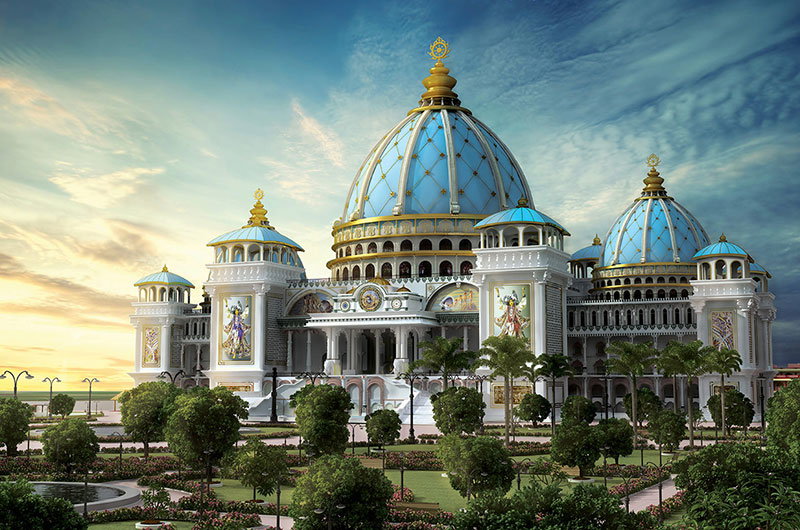
Janmashtami is one of the most sacred festivals in the Vaishnava tradition, marking the divine appearance of Lord Krishna. Across India, the festival is celebrated with devotion, fasting, and prayers.However, some places hold deeper spiritual significance due to their history and global influence. ISKCON, Mayapur, West Bengal stands apart as one of the most prominent centers where Janmashtami is observed on an extraordinary scale.Mayapur is not just a pilgrimage destination; it is the worldwide headquarters of the International Society for Krishna Consciousness. The festival here reflects centuries of devotional heritage, combined with global participation, making it both spiritually intense and culturally rich.The Spiritual Importance of Janmashtami in Mayapur
Janmashtami in Mayapur is deeply connected to the teachings of Sri Chaitanya Mahaprabhu, who emphasized love, devotion, and the chanting of Krishna’s names. The festival is not treated as a single-day event but as a complete spiritual journey that includes preparation, purification, and collective devotion.
Unlike casual celebrations, devotees here observe fasting, attend scriptural discourses, and participate in continuous kirtans. The atmosphere encourages inner reflection rather than mere celebration, which is why pilgrims from across the world plan their visits months in advance.Global Participation Makes the Celebration Unique
One of the main reasons Janmashtami is celebrated grandly in Mayapur is its international character. Devotees from Europe, Russia, Africa, Southeast Asia, and the Americas gather here, creating a rare spiritual unity that transcends language and nationality.
This global participation adds depth to the festival:Multilingual kirtans echo throughout the temple complex
- Cultural performances depict Krishna’s pastimes
- Spiritual classes are conducted for beginners and scholars alike
- This worldwide involvement is similar in spiritual magnitude to historic centers like Lingaraj Temple, Bhubaneswar, Odisha, where faith and tradition have been preserved for generations through large-scale festivals.
Rituals That Define the Grand Celebration
Janmashtami celebrations in Mayapur follow a structured spiritual flow rather than a rushed schedule. Each ritual holds symbolic meaning and is designed to engage the devotee fully.
Key rituals include:Morning mangal aarti and special abhishekam
- Continuous chanting and bhajans throughout the day
- Scriptural readings explaining Krishna’s life and teachings
- Midnight celebration marking the exact time of Krishna’s birth
- A highlight of the day is the Naman Darshan service, where devotees get the opportunity to offer personal prayers and respectful salutations during the most sacred hours of the festival. This moment often becomes the emotional and spiritual peak of the entire experience.
Why the Temple Infrastructure Supports Grand Celebrations
The scale of Janmashtami celebrations is also possible due to the thoughtful planning and infrastructure of Mayapur. Spacious temple halls, organized darshan queues, volunteer-managed crowd control, and dedicated prasadam services ensure that thousands of devotees can participate without chaos.
Unlike crowded urban temples, the open campus allows pilgrims to move comfortably, meditate peacefully, and participate in rituals without stress. This balance of devotion and discipline is a key reason the festival feels spiritually uplifting rather than overwhelming.Cultural and Educational Dimensions of Janmashtami
Janmashtami here is not limited to rituals alone. The festival also serves as a spiritual education platform. Visitors attend seminars on the Bhagavad Gita, learn about Krishna’s philosophy of life, and understand how ancient teachings apply to modern challenges.
Children and young devotees participate in dramas and storytelling sessions, making the festival inclusive for all age groups. This holistic approach strengthens faith while preserving tradition.Connection with India’s Broader Pilgrimage Culture
India’s spiritual landscape is rich with sacred temples, each contributing uniquely to devotional life. The grand celebration of Janmashtami in Mayapur resonates with the same reverence seen at places like Naina Devi Temple, Bilaspur, Himachal Pradesh, where faith, mythology, and community participation come together during major festivals.
Such parallels highlight how different regions uphold devotion while reflecting their own spiritual identities.Frequently Asked Questions (FAQs)
Q1. Why do devotees travel from abroad to attend Janmashtami in Mayapur?
Because the festival offers authentic spiritual immersion, global community participation, and deep philosophical teachings.Q2. Is Janmashtami suitable for first-time visitors?Yes. The organized environment, guidance from volunteers, and inclusive activities make it beginner-friendly.Q3. How long do celebrations last?Preparations begin days before, with the main celebration occurring overnight, followed by post-festival prayers.Q4. Can families attend comfortably?Absolutely. Facilities, food, and accommodation are designed to support families and senior citizens.Conclusion
Janmashtami in Mayapur is not celebrated grandly for spectacle alone—it is elevated by devotion, discipline, and spiritual purpose. The festival reflects the core values of Krishna consciousness: unity, humility, and loving service. Every chant, ritual, and prayer is rooted in tradition while remaining accessible to people from all walks of life.
For those seeking more than a visual celebration—for those longing for inner connection—Janmashtami in Mayapur becomes a life-changing spiritual milestone rather than just a festival visit.Lingaraj Temple, Bhubaneswar, Odisha, Naina Devi Temple, Bilaspur, Himachal Pradesh, Lingaraj Temple, Bhubaneswar, Odisha,
