Why Naina Devi Temple Is Connected to Goddess Sati.
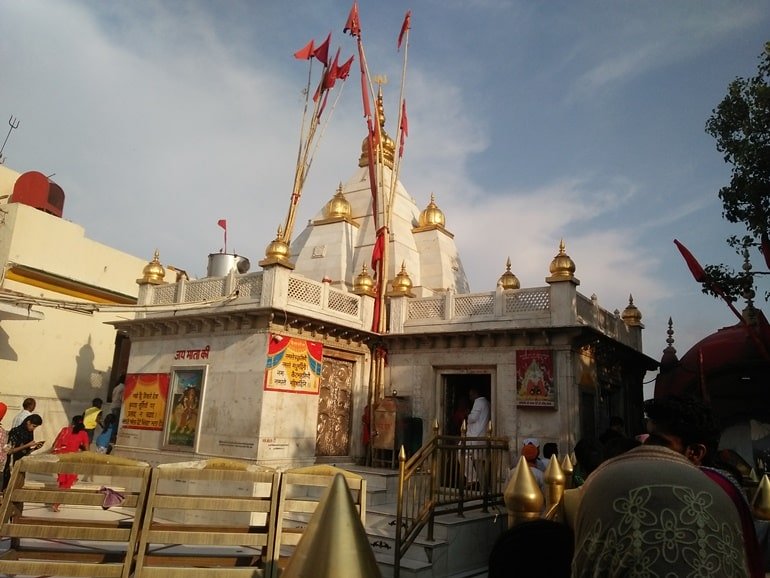
India’s spiritual heritage is deeply shaped by ancient stories that connect divine energy with specific places.
Among these sacred narratives, the legend of Goddess Sati holds a powerful and emotional significance.
Many temples across the country trace their origins to this story of sacrifice, devotion, and cosmic balance.
The connection of Naina Devi Temple, Bilaspur, Himachal Pradesh to Goddess Sati makes it one of the most revered Shakti worship sites in North India.
The Story of Goddess Sati and Its Spiritual Meaning
Goddess Sati was the daughter of King Daksha and the first consort of Lord Shiva.
Despite Shiva’s supreme spiritual status, Daksha disapproved of their union and openly disrespected him.
During a grand yagna organized by Daksha, Shiva was intentionally excluded and insulted.
Unable to tolerate the humiliation of her husband, Sati chose to sacrifice herself in the sacred fire.This act was not one of despair but of divine resolve.
Her sacrifice symbolized absolute devotion and the refusal to accept ego-driven injustice.
When Lord Shiva learned of her death, his grief transformed into uncontrollable cosmic sorrow, threatening the balance of creation.
How the Shakti Peetha Belief Emerged
Overwhelmed by loss, Shiva carried Sati’s body across the universe.
His grief disrupted cosmic order, compelling Lord Vishnu to intervene.
Using his divine power, Vishnu divided Sati’s body, allowing different parts to fall across the earth.Each place where a body part fell became a Shakti Peetha — a center of feminine divine energy.
It is believed that Sati’s eyes fell at the hilltop location where the temple now stands.
Eyes symbolize vision, awareness, and protection, which is why devotees associate this shrine with clarity, strength, and spiritual insight.
Why This Belief Still Holds Deep Relevance Today
Spiritual traditions survive only when they continue to resonate with human experience.
Pilgrims visiting the shrine often describe a strong emotional calm, even before entering the sanctum.
The quiet hills, open skies, and slow rhythm of prayer naturally encourage introspection.Similar emotional surrender is seen at global devotional centers such as ISKCON, Mayapur, West Bengal, where faith is practiced through discipline, devotion, and community connection.
Though rooted in different traditions, both places guide devotees toward humility, surrender, and inner balance.
Role of Rituals and Darshan in Strengthening Faith
Daily worship at the temple follows time-honored rituals passed down through generations.
Morning prayers focus on gratitude and intention, while evening aartis emphasize surrender and reflection.
Devotees often wait patiently, treating darshan not as a routine act but as a personal moment of connection.To support pilgrims seeking a peaceful experience, services like Naman Darshan are available.
This allows devotees to have an organized and calm darshan without crowd pressure, especially helpful for elders and families.
Such thoughtful arrangements show how tradition adapts while preserving spiritual integrity.
Why Devotees Feel a Living Presence
What makes this shrine truly powerful is not just mythology but continuity of belief.
Local families share stories of visiting during personal hardships, festivals, and life milestones.
Generations return with the same faith, reinforcing trust and spiritual authority.This continuity reflects experience, credibility, and authenticity — key elements of spiritual trustworthiness.
Faith here feels lived, not learned.
Connection With Other Ancient Centers of Power
Across India, sacred temples reflect different expressions of divine energy.
Though architectural styles and rituals vary, the underlying purpose remains the same — spiritual awakening.
This shared essence can be seen in ancient temples like Lingaraj Temple, Bhubaneswar, Odisha, where devotion, history, and living worship coexist seamlessly.Such parallels remind pilgrims that divine presence is not limited to one geography but flows across the land through faith.
FAQs
Why is the temple linked specifically to Goddess Sati’s eyes?
Eyes symbolize awareness and protection, making the site spiritually significant.Is this considered a Shakti Peetha?
Yes, traditional belief recognizes it as one of the sacred Shakti Peethas.Does modern infrastructure affect spiritual experience?
Facilities like Naman Darshan enhance comfort without compromising devotion.Can first-time visitors understand the significance easily?
Yes, the atmosphere and rituals naturally convey its spiritual importance.
Conclusion
The connection between Goddess Sati and this sacred shrine is not confined to mythology alone.
It continues to shape devotion, rituals, and personal faith even today.
Rooted in sacrifice, sustained by belief, and strengthened by generations of worship, the temple stands as a living symbol of divine feminine power.For devotees seeking clarity, strength, and spiritual grounding, this sacred connection remains timeless and deeply meaningful. ISKCON, Mayapur, West Bengal, Lingaraj Temple, Bhubaneswar, Odisha
