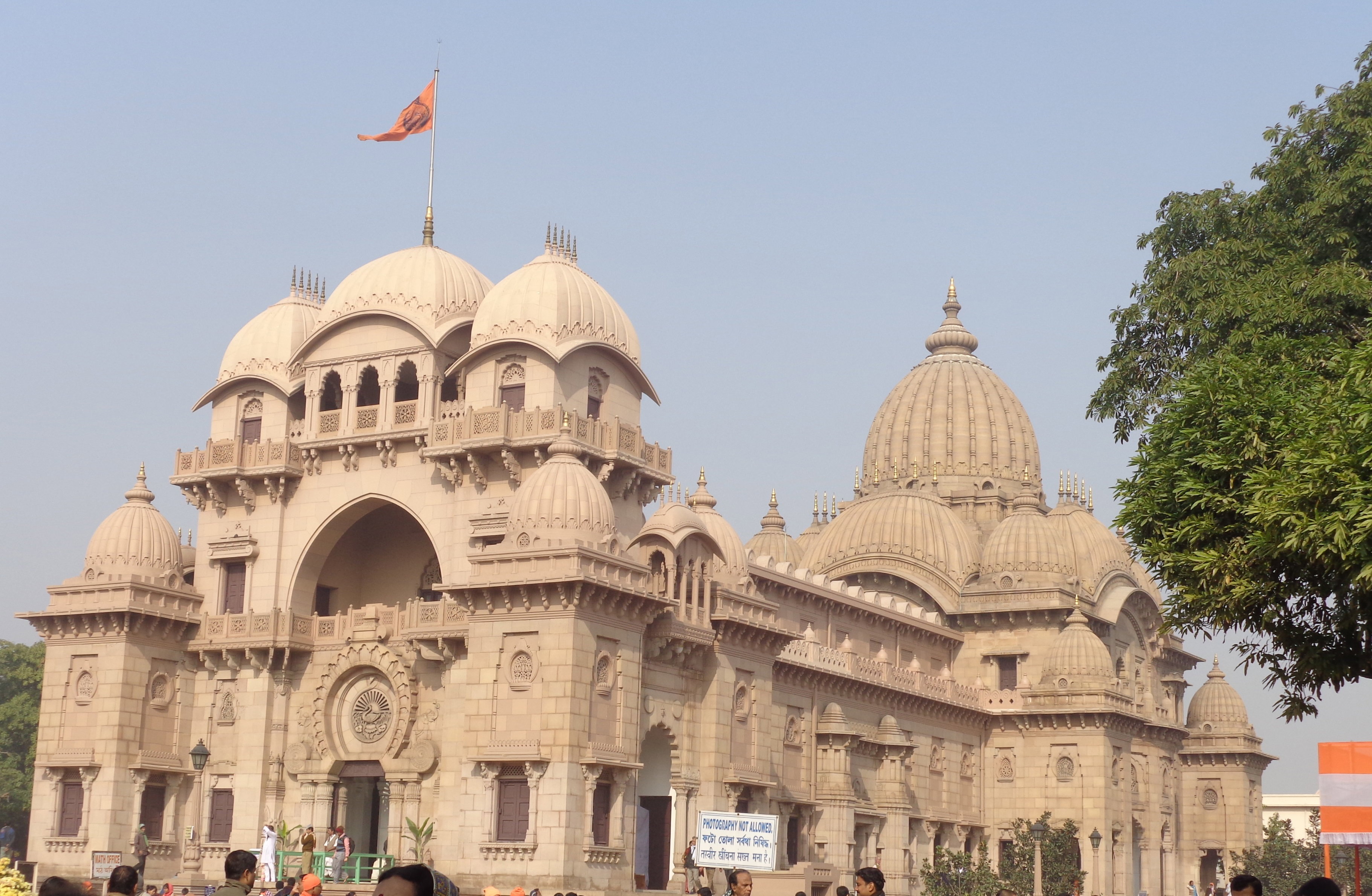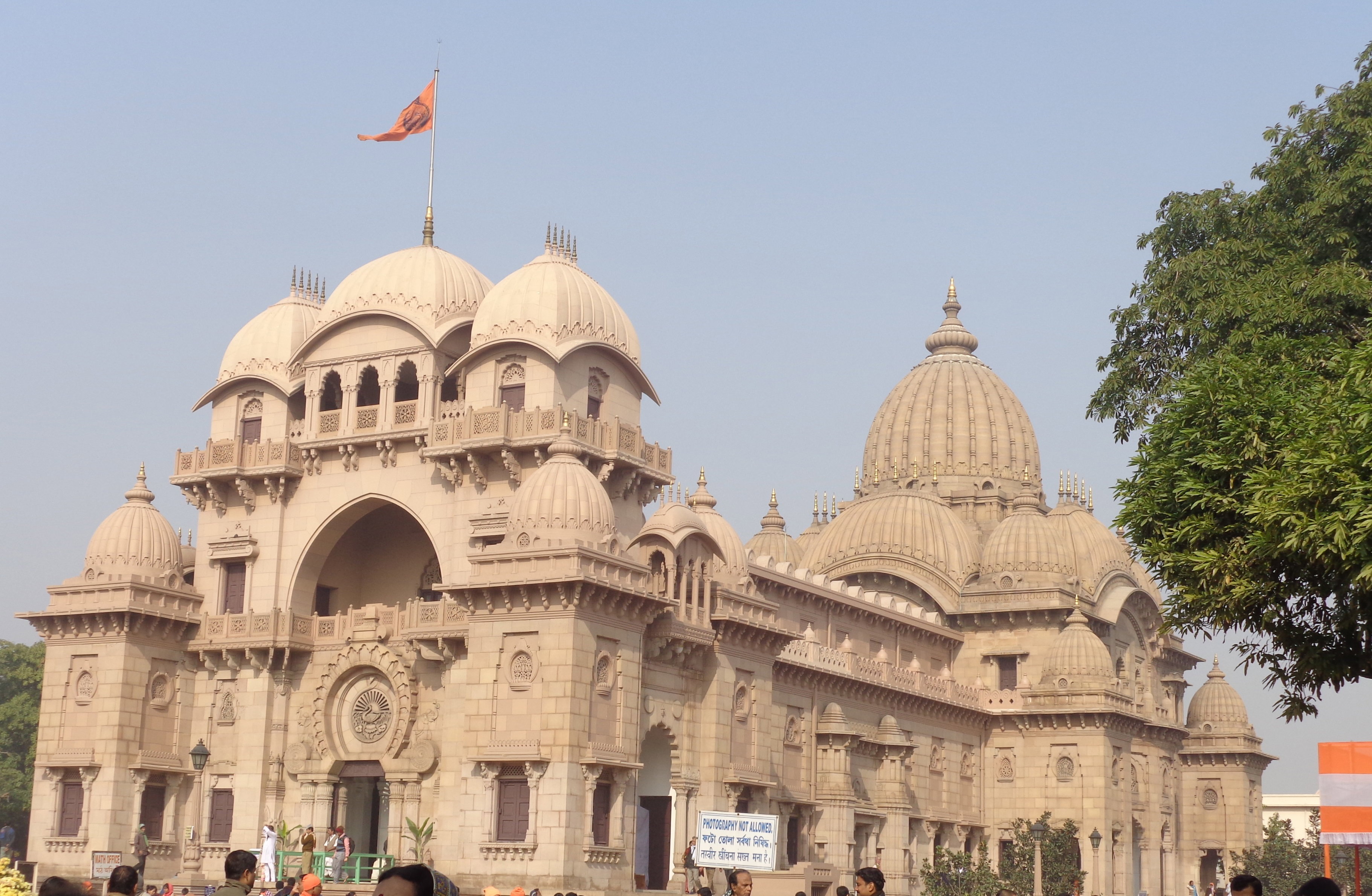
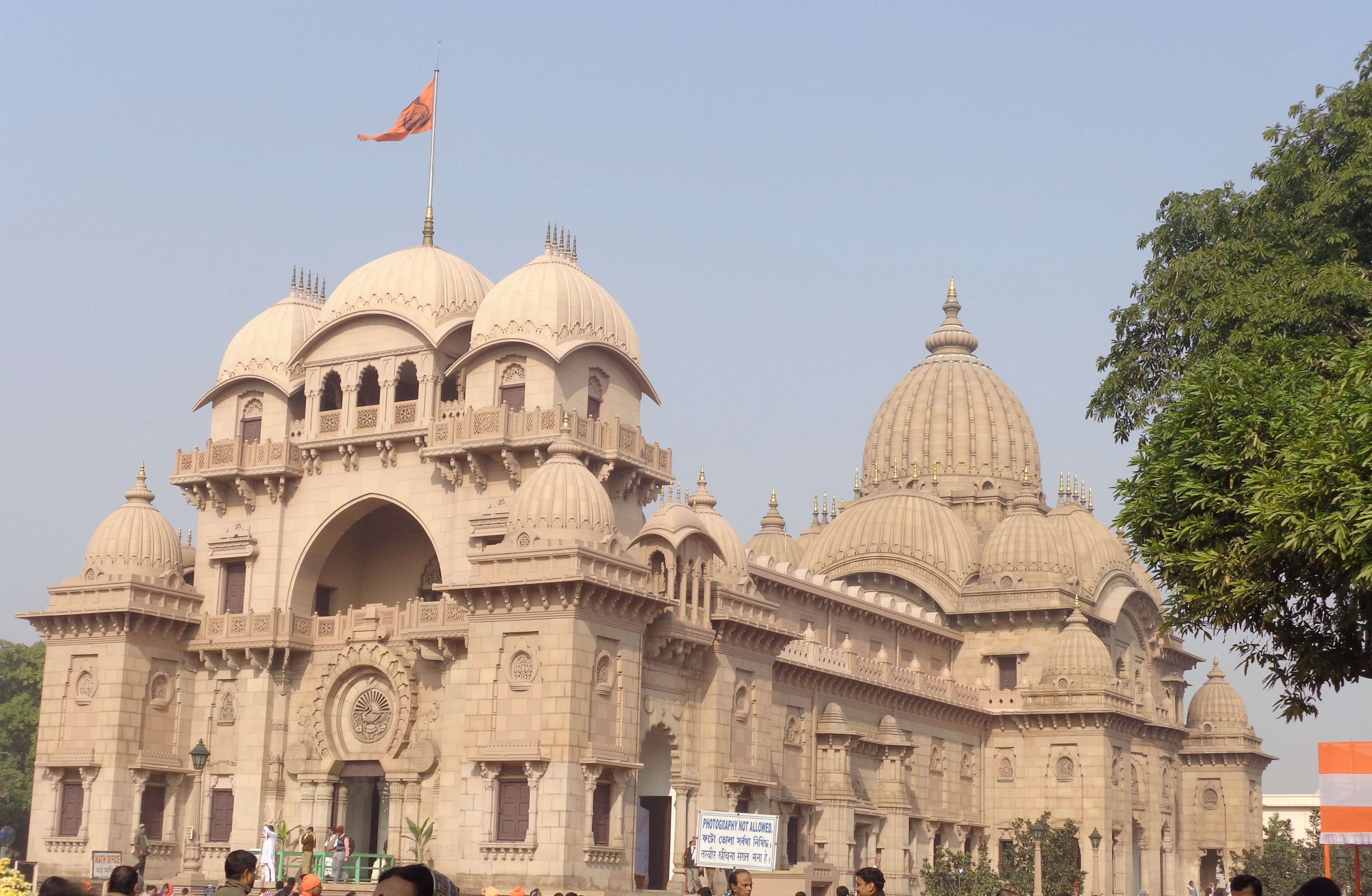
When you think of places where faith and artistry merge into one powerful expression, very few structures can stand alongside Belur Math. It is not just a spiritual hub but also an architectural masterpiece that invites people from all walks of life to pause and reflect. What makes this destination even more intriguing is its ability to represent unity through design. The Belur Math Howrah West Bengal is often seen as more than a temple—it is a dialogue in stone, a physical symbol of inclusiveness, and a place where silence speaks louder than words.To explore its architecture meaningfully, one must do more than glance at walls and domes. It requires slowing down, observing how one tradition folds seamlessly into another, and realizing how intentional every structure feels. Families who visit often describe the experience as walking through a narrative rather than a monument. Every corner feels like a page from a book, waiting to be interpreted differently depending on who is looking.


Blending Faith into Form

What strikes most visitors at first glance is the fusion of multiple styles. Rather than relying solely on one tradition, the architects integrated features from various cultures. The result is a design that refuses to be labeled—it is neither fully Indian nor purely Western. Instead, it stands somewhere in between, almost like a bridge connecting diverse worlds.The domes and arches feel familiar, yet the carvings whisper a different story. Unlike structures that rely heavily on ornamentation, the beauty here lies in the subtle dialogue between strength and simplicity. Imagine blending melodies from different instruments into a single tune—that is what the architecture feels like. Each influence plays its part without overshadowing the rest.


Observing the Details

Walking across the grounds, you'll notice how every building has its own character, yet all remain bound by harmony. The main shrine, with its symmetry and proportions, reflects order. The smaller shrines, carefully aligned, contribute to a rhythm that carries you along the pathways. Even the open spaces between the structures feel deliberate, as though emptiness itself was given shape to balance fullness.The architecture here does not overwhelm you with excess. Instead, it persuades you to observe with patience. Many travelers compare it to reading poetry—if you skim too fast, you miss the meaning. Take, for instance, the way the shrines open up toward the river. This alignment feels less like an accident and more like a gesture inviting nature into the sacred fold.


Learning from Comparisons

Architectural exploration becomes richer when you compare and connect. For example, the Varadharaja Perumal Temple in Kanchipuram is renowned for its grandeur and intricate detailing that leaves visitors in awe. When you place it alongside Belur Math, the difference in philosophy becomes clear. One relies on elaboration, while the other relies on balance. This contrast helps you appreciate how spiritual architecture is never one-size-fits-all but rather a reflection of the values it represents.Similarly, while some temples intend to overwhelm with their sheer scale, Belur Math aims to persuade through serenity. This is a lesson in itself: sacred spaces can convey depth in multiple ways, whether through richness or restraint.


Exploring with Family and Friends

One of the most rewarding ways to experience this site is with companions. Walking together allows you to exchange perspectives—you might notice the shape of a dome while someone else points out a carving on a wall. These conversations become part of the memory, reminding you that architecture is best experienced collectively.Children often find the site fascinating because the structures resemble puzzles where multiple pieces fit perfectly. Elders, on the other hand, tend to appreciate the silence and spaciousness. It's a destination that offers layers of meaning to every age group, making it especially suitable for family visits.


Adding a Personal Touch

Many travelers share their experiences through platforms like Naman Darshan, where personal stories about temple visits bring out hidden details. Reading such reflections before visiting can enrich your perspective, but creating your own narrative afterward is just as valuable. Your observations—whether it's the way the sunlight touches the shrine at dawn or how the river breeze feels against the stone walls—become a unique addition to the collective memory of the place.


A Connection Across Sacred Sites

Exploring Belur Math also opens a door to broader conversations about spirituality and space. For example, when compared with the Somnath Jyotirling Temple, the contrast once again highlights diversity in sacred design. Somnath embodies strength and resilience, standing proudly on the edge of the Arabian Sea, while Belur Math radiates calmness beside the Ganges. Both sites teach us that sacredness can be expressed in many ways—through grandeur, resilience, or quiet harmony.These comparisons remind us that temples are not isolated entities but part of a larger spiritual ecosystem. Each contributes to a wider understanding of devotion, culture, and design.


Final Reflections

To explore the architecture of Belur Math is to participate in a silent conversation that spans continents and centuries. It is not a place to rush through but to absorb slowly, like sipping tea on a cold morning. Every stone, every alignment, and every curve contributes to a bigger message: that unity is not an abstract idea but a reality that can be built, brick by brick.If you plan a visit, remember to take your time. Walk, sit, observe, and most importantly, feel. Architecture here is not decoration; it is expression. And when you leave, you carry not just images in your camera but impressions in your heart.

Introduction: The Spiritual Heart of Udupi

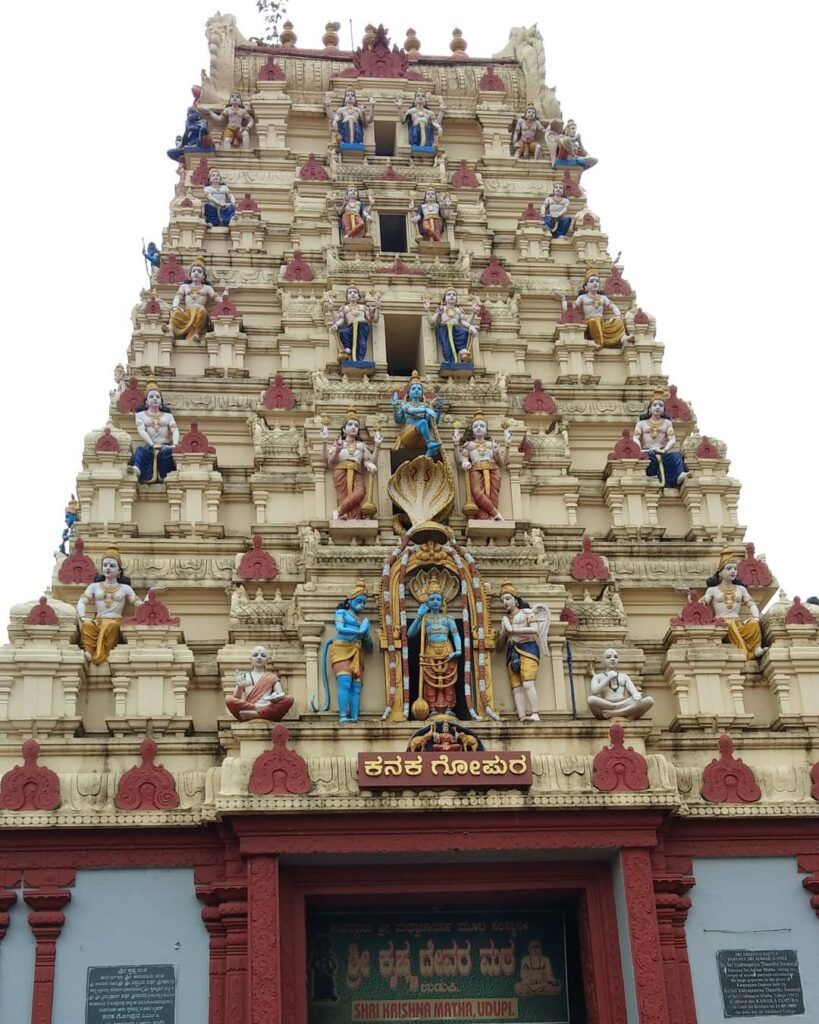
Udupi is not just a coastal town; it is a living center of devotion, philosophy, and disciplined spiritual life. For centuries, seekers have travelled here to understand devotion beyond rituals and experience faith as a way of living. The town’s rhythm follows temple bells, traditional practices, and a deep sense of humility. Sri Krishna Matha stands at the center of this spiritual ecosystem, shaping Udupi’s identity through its timeless values and sacred traditions.

Historical Foundation Rooted in Madhvacharya’s Teachings

The sacredness of this temple begins with its origin. Established by the great philosopher-saint Madhvacharya in the 13th century, it represents the Dvaita philosophy that emphasizes devotion with clarity and discipline. Unlike myth-based evolution, its foundation is well-documented through scriptures, matha records, and oral traditions passed down through generations. This continuity strengthens trust and authenticity, key elements of spiritual authority.

Unique Darshan Tradition That Defines Devotion

One of the most defining aspects of the temple is its darshan system. Devotees view the deity through a silver-plated window known as Kanakana Kindi, symbolizing equality and humility. This tradition reminds visitors that devotion transcends social status.
Key elements of this darshan tradition include:
  • Equal access for all devotees
  • Emphasis on humility over grandeur
  • A focus on inner connection rather than visual spectacle

Living Rituals Preserved Without Alteration

Unlike many religious sites that modernize rituals, this temple follows centuries-old procedures exactly as prescribed. Daily sevas, food offerings, and temple schedules remain unchanged, creating a rare example of uninterrupted spiritual practice. This consistency mirrors the devotion seen at sacred centers like dakshineswar kali temple, where ritual purity and discipline define the spiritual atmosphere rather than external display.

The Paryaya System: A Model of Spiritual Governance

The Paryaya system is a unique administrative rotation among eight associated mathas. Every two years, responsibility shifts peacefully, ensuring balance and accountability.
This system contributes to sacredness by:
  • Preventing concentration of power
  • Maintaining ritual purity
  • Encouraging selfless service over authority
Such governance reflects spiritual maturity rather than institutional control.

Role of Naman Darshan in Modern Devotion

In recent times, services like Naman Darshan have emerged to help elderly devotees and those with limited time maintain their spiritual connection. Rather than commercializing faith, this service respectfully aligns with temple discipline, allowing controlled access while preserving sanctity. Its acceptance shows how tradition can adapt without losing authenticity.

Cultural Influence Beyond Worship

The temple’s impact goes far beyond prayer halls. It has shaped Udupi’s food culture, educational systems, and daily lifestyle. The famous temple cuisine follows strict sattvic principles, reinforcing discipline through simplicity. Vedic learning, music, and ethical living are taught as daily practices rather than theoretical ideals.

Comparison With Other Sacred Pilgrimage Centers

Across India, sacred temples share common values of discipline and devotion. The spiritual focus and structured rituals here resonate with the atmosphere experienced at badrinath temple, where faith is deeply connected to restraint, simplicity, and surrender rather than display. Such comparisons highlight why certain temples command lifelong reverence.

Why Devotees Feel a Deep Personal Connection

Many visitors describe their experience as calm rather than overwhelming. The absence of excessive ornamentation, the focus on order, and the quiet discipline help devotees reflect inwardly. This emotional trust, built over centuries, strengthens the temple’s sacred status in the minds of pilgrims.

Frequently Asked Questions (FAQs)

Q1. What makes this temple spiritually different from others?
Its uninterrupted rituals, disciplined administration, and equality-focused darshan system.Q2. Is the temple suitable for first-time spiritual travelers?
Yes, its simplicity and structured environment make it welcoming and easy to understand.Q3. Are modern services aligned with traditional values?
Yes, offerings like Naman Darshan are integrated respectfully without disturbing ritual purity.Q4. Does the temple promote philosophical learning?
Strongly. Teachings rooted in Dvaita philosophy continue through traditional education systems.
Conclusion: A Sacred Space That Lives Its Values

The true sacredness of this temple lies not in grandeur but in consistency. By preserving rituals, philosophy, governance, and humility without compromise, it stands as a living example of authentic devotion. In a changing world, it proves that spiritual purity is maintained not by resisting time, but by honoring timeless principles with discipline and trust.


When you think of places where faith and artistry merge into one powerful expression, very few structures can stand alongside Belur Math. It is not just a spiritual hub but also an architectural masterpiece that invites people from all walks of life to pause and reflect. What makes this destination even more intriguing is its ability to represent unity through design. The Belur Math Howrah West Bengal is often seen as more than a temple—it is a dialogue in stone, a physical symbol of inclusiveness, and a place where silence speaks louder than words.To explore its architecture meaningfully, one must do more than glance at walls and domes. It requires slowing down, observing how one tradition folds seamlessly into another, and realizing how intentional every structure feels. Families who visit often describe the experience as walking through a narrative rather than a monument. Every corner feels like a page from a book, waiting to be interpreted differently depending on who is looking.


Blending Faith into Form

What strikes most visitors at first glance is the fusion of multiple styles. Rather than relying solely on one tradition, the architects integrated features from various cultures. The result is a design that refuses to be labeled—it is neither fully Indian nor purely Western. Instead, it stands somewhere in between, almost like a bridge connecting diverse worlds.The domes and arches feel familiar, yet the carvings whisper a different story. Unlike structures that rely heavily on ornamentation, the beauty here lies in the subtle dialogue between strength and simplicity. Imagine blending melodies from different instruments into a single tune—that is what the architecture feels like. Each influence plays its part without overshadowing the rest.


Observing the Details

Walking across the grounds, you'll notice how every building has its own character, yet all remain bound by harmony. The main shrine, with its symmetry and proportions, reflects order. The smaller shrines, carefully aligned, contribute to a rhythm that carries you along the pathways. Even the open spaces between the structures feel deliberate, as though emptiness itself was given shape to balance fullness.The architecture here does not overwhelm you with excess. Instead, it persuades you to observe with patience. Many travelers compare it to reading poetry—if you skim too fast, you miss the meaning. Take, for instance, the way the shrines open up toward the river. This alignment feels less like an accident and more like a gesture inviting nature into the sacred fold.


Learning from Comparisons

Architectural exploration becomes richer when you compare and connect. For example, the Varadharaja Perumal Temple in Kanchipuram is renowned for its grandeur and intricate detailing that leaves visitors in awe. When you place it alongside Belur Math, the difference in philosophy becomes clear. One relies on elaboration, while the other relies on balance. This contrast helps you appreciate how spiritual architecture is never one-size-fits-all but rather a reflection of the values it represents.Similarly, while some temples intend to overwhelm with their sheer scale, Belur Math aims to persuade through serenity. This is a lesson in itself: sacred spaces can convey depth in multiple ways, whether through richness or restraint.


Exploring with Family and Friends

One of the most rewarding ways to experience this site is with companions. Walking together allows you to exchange perspectives—you might notice the shape of a dome while someone else points out a carving on a wall. These conversations become part of the memory, reminding you that architecture is best experienced collectively.Children often find the site fascinating because the structures resemble puzzles where multiple pieces fit perfectly. Elders, on the other hand, tend to appreciate the silence and spaciousness. It's a destination that offers layers of meaning to every age group, making it especially suitable for family visits.


Adding a Personal Touch

Many travelers share their experiences through platforms like Naman Darshan, where personal stories about temple visits bring out hidden details. Reading such reflections before visiting can enrich your perspective, but creating your own narrative afterward is just as valuable. Your observations—whether it's the way the sunlight touches the shrine at dawn or how the river breeze feels against the stone walls—become a unique addition to the collective memory of the place.


A Connection Across Sacred Sites

Exploring Belur Math also opens a door to broader conversations about spirituality and space. For example, when compared with the Somnath Jyotirling Temple, the contrast once again highlights diversity in sacred design. Somnath embodies strength and resilience, standing proudly on the edge of the Arabian Sea, while Belur Math radiates calmness beside the Ganges. Both sites teach us that sacredness can be expressed in many ways—through grandeur, resilience, or quiet harmony.These comparisons remind us that temples are not isolated entities but part of a larger spiritual ecosystem. Each contributes to a wider understanding of devotion, culture, and design.


Final Reflections

To explore the architecture of Belur Math is to participate in a silent conversation that spans continents and centuries. It is not a place to rush through but to absorb slowly, like sipping tea on a cold morning. Every stone, every alignment, and every curve contributes to a bigger message: that unity is not an abstract idea but a reality that can be built, brick by brick.If you plan a visit, remember to take your time. Walk, sit, observe, and most importantly, feel. Architecture here is not decoration; it is expression. And when you leave, you carry not just images in your camera but impressions in your heart.

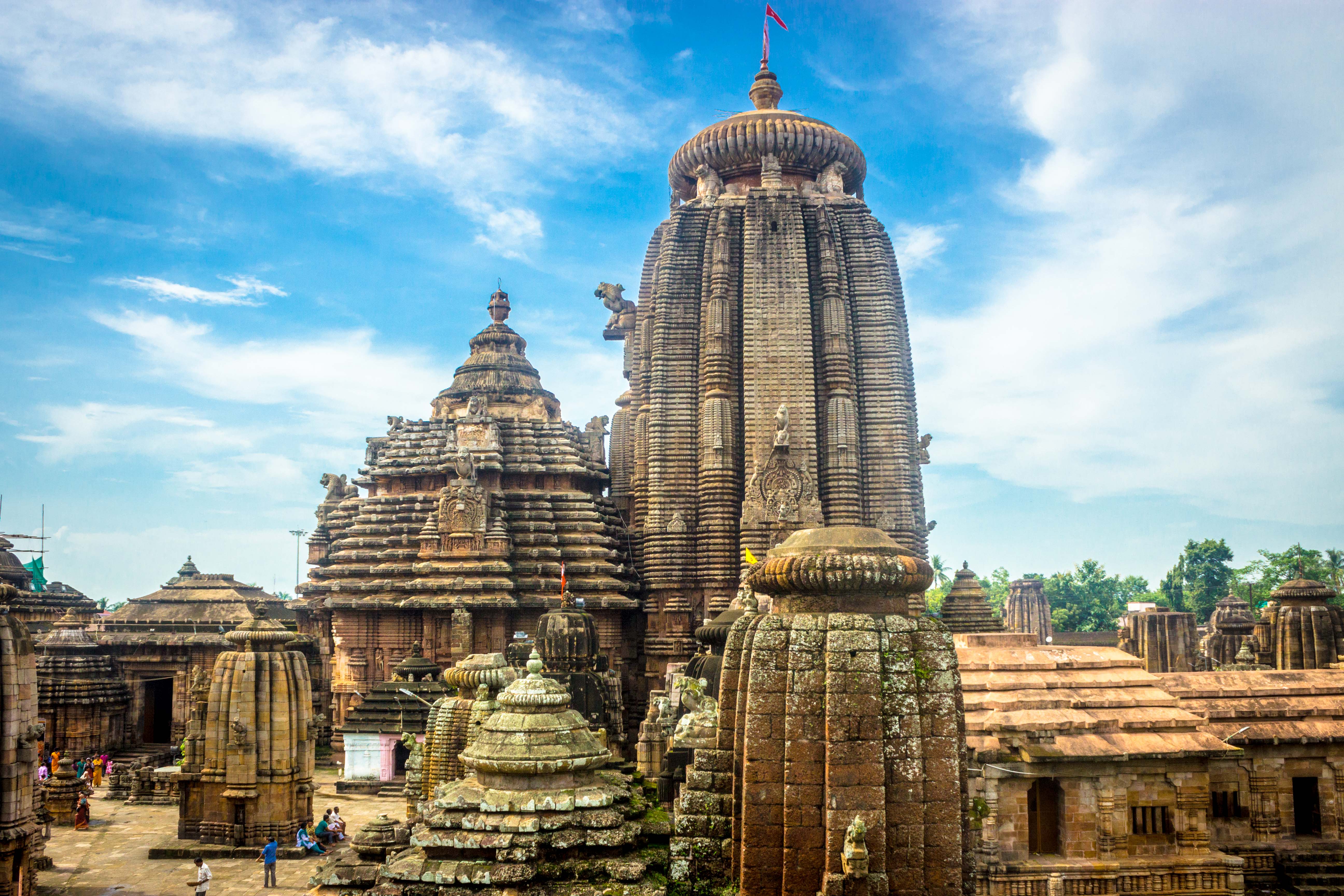
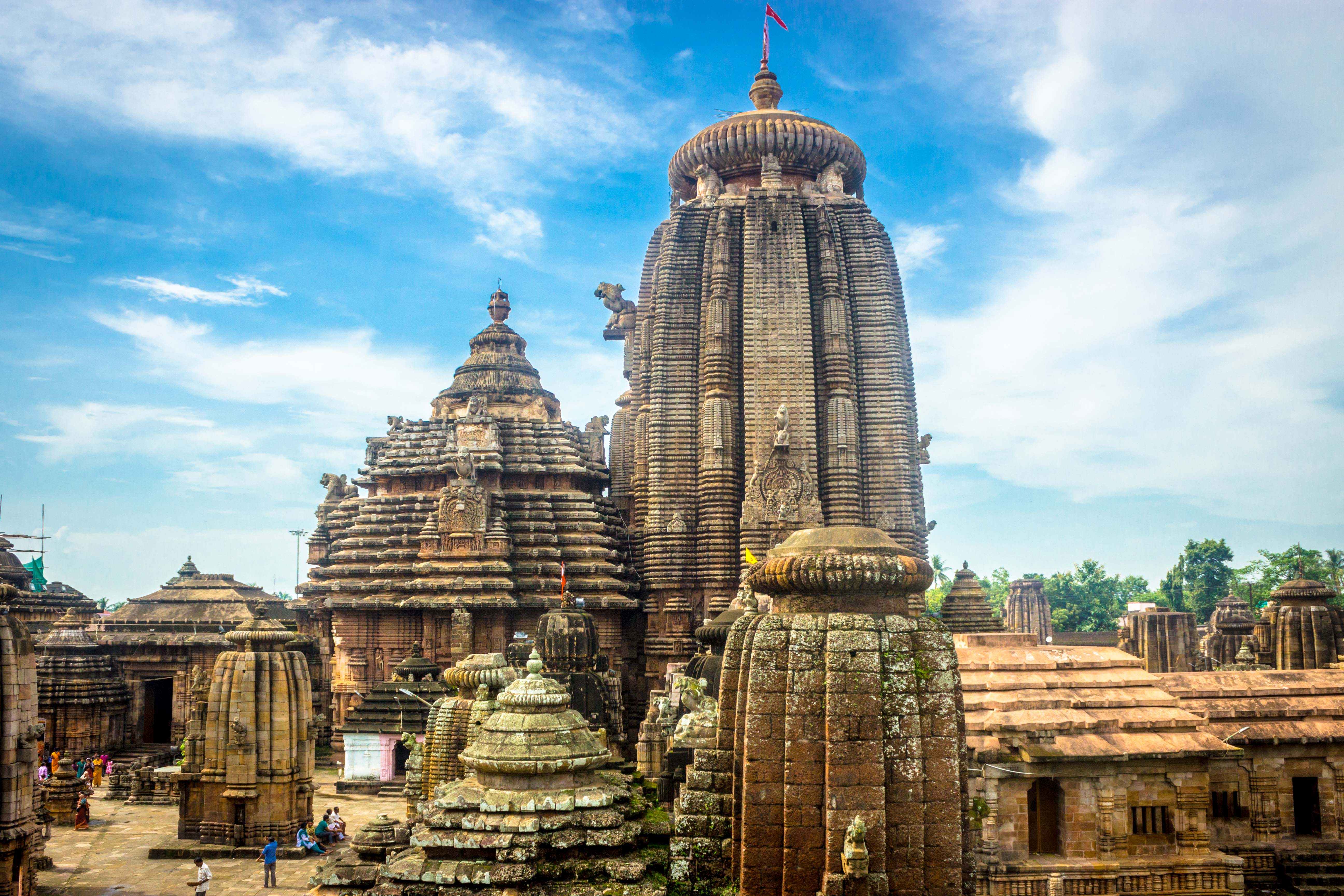
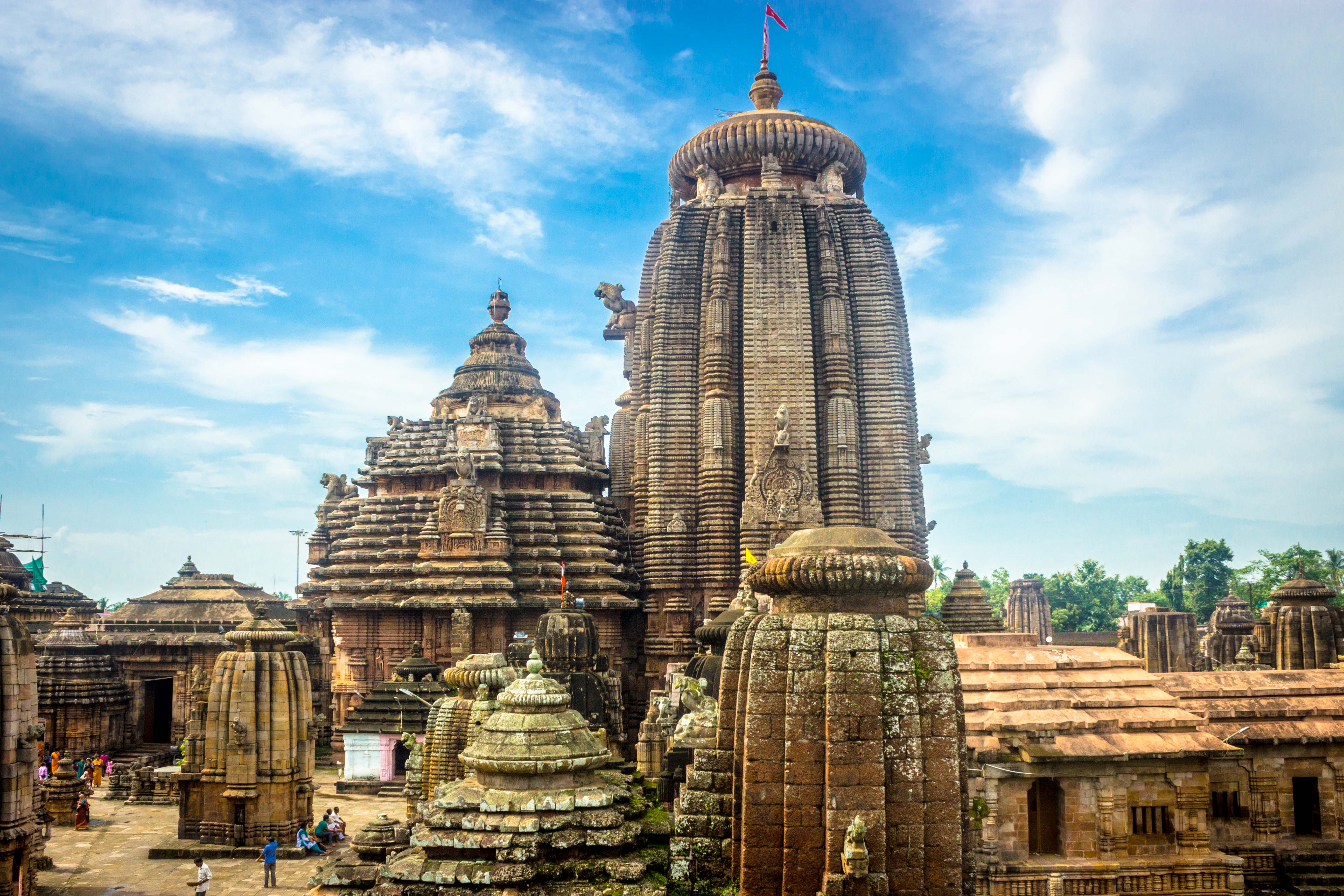
India’s temple festivals are more than rituals — they are immersive experiences that bring faith, heritage, and community together. While many states celebrate Maha Shivaratri with grandeur, few places capture its true spirit as vividly as Odisha’s cultural capital. The city’s heartbeat quickens as chants echo, lamps glow, and thousands of devotees gather in devotion. All of this culminates at the magnificent Lingaraj Temple, Bhubaneswar, Odisha, where Maha Shivaratri is not just observed but lived in every possible sense.

A Temple Rooted in History and Faith

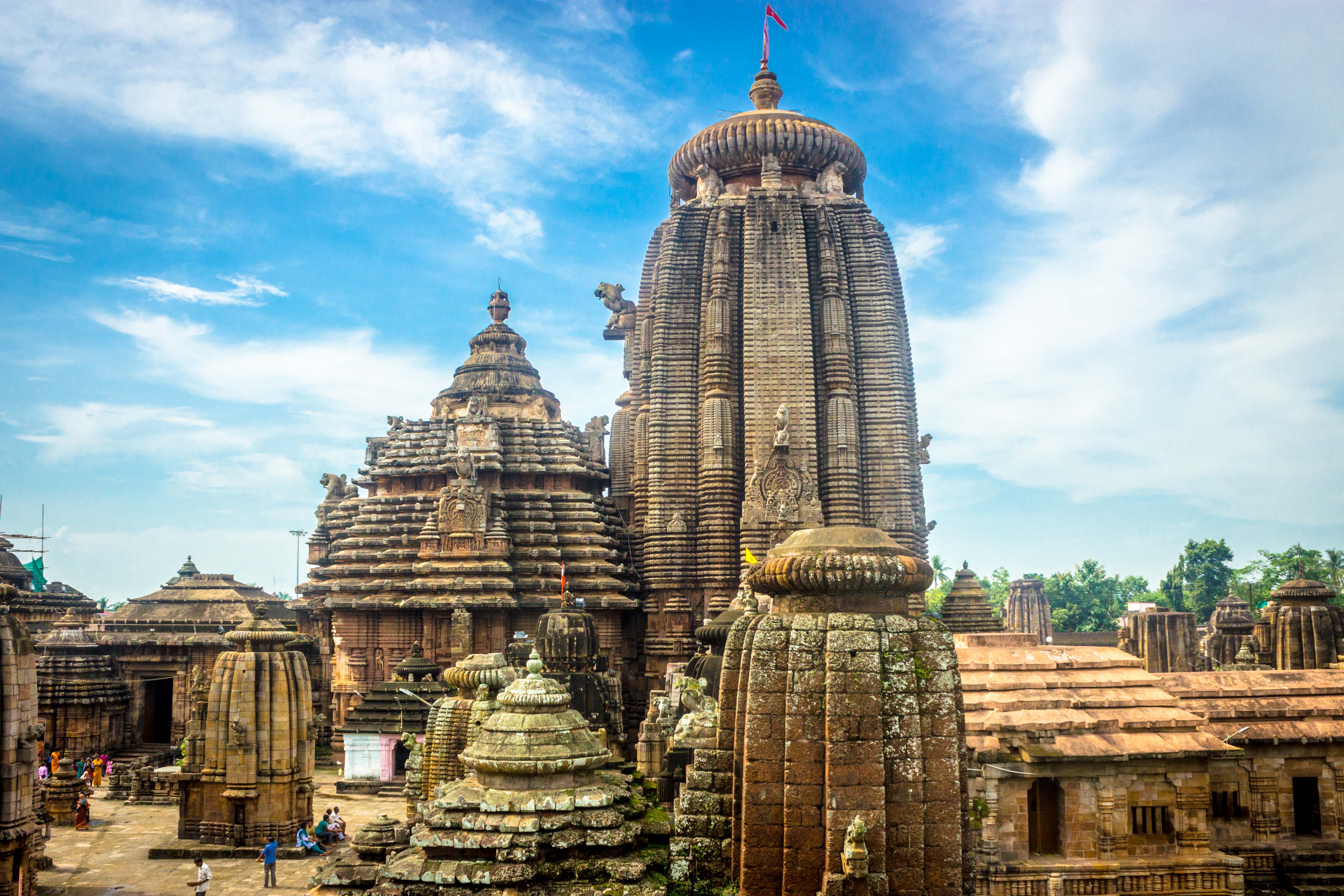
The temple itself, dating back to the 11th century, is considered a crown jewel of Kalinga architecture. Its towering spire, rising over 180 feet, dominates Bhubaneswar’s skyline and instantly commands reverence. Every stone tells a story of artistry — intricate carvings of deities, dancers, and mythological tales that have withstood centuries. Visitors often marvel not just at its scale, but at how seamlessly spirituality and art blend here. Yet what makes the temple extraordinary is how these ancient structures continue to pulse with life during Maha Shivaratri. On this night, the temple transforms into a cosmic theater where timeless traditions are enacted with unwavering devotion.

Rituals That Carry Centuries of Meaning

The Maha Shivaratri celebration at Lingaraj Temple begins before dawn and stretches until the next day. Fasting devotees start their journey with prayers and bathe in the Bindusagar lake, believed to hold purifying powers. Inside the temple, priests meticulously perform abhishekam, bathing the Shiva lingam with water, milk, honey, and bel leaves. As evening approaches, the temple complex glows with thousands of oil lamps, symbolizing the triumph of light over darkness. By midnight — the most sacred hour — crowds swell, and the air is electric with chants of “Om Namah Shivaya.” For many, staying awake through the night becomes a spiritual offering, a way of aligning their energy with Lord Shiva’s cosmic dance.What sets the experience apart is the sense of inclusivity. Pilgrims, locals, and even first-time travelers become part of a collective act of devotion. Much like the trekking pilgrims at Naina Devi Temple, Bilaspur, Himachal Pradesh, here too, distance, fatigue, or crowds seem insignificant compared to the joy of being present at such a sacred moment.

The Value of Guidance and Insight

Amid the elaborate rituals, it’s easy for newcomers to feel overwhelmed. Understanding the meaning behind these practices adds depth to the experience. This is why voices like Naman Darshan, respected for his expertise in decoding temple traditions, hold great value. He has a gift for explaining how practices — such as the offering of bel leaves or fasting during the night — connect to everyday lessons of balance and discipline. When devotees hear his interpretations, they find the rituals less intimidating and more enriching. Instead of just seeing a spectacle, they begin to sense the profound layers of symbolism at play, transforming a festival into a personal journey of reflection.

The Collective Energy of Devotion

Few sights rival the experience of standing amidst thousands of people with a shared purpose. The chants rise in unison, hands fold in prayer, and the fragrance of incense fills the night air. The crowd is not restless — it is united, patient, and reverent. The midnight rituals, where priests adorn the lingam with flowers and sacred offerings, feel like the peak of spiritual intensity. For many, the experience is so moving that it leaves a lifelong imprint.This phenomenon isn’t unique to Odisha. Across India, every region adds its own cultural texture to Maha Shivaratri and other festivals. In the east, the devotional singing at ISKCON, Mayapur, West Bengal resonates with equal passion, though in a different musical rhythm. Together, these celebrations highlight India’s spiritual diversity while underscoring a common thread — faith expressed through unity.

Why Pilgrims Keep Returning

For those who have once attended Maha Shivaratri at Lingaraj Temple, returning often becomes a tradition. Families bring children so the next generation can experience its magic, while solo travelers describe it as an awakening. Some compare it to witnessing sunrise in the Himalayas or participating in the Ganga aarti at Varanasi — it’s less about watching and more about belonging. Even those not deeply religious admit that the charged atmosphere of the temple during this festival makes them reflect on their own inner lives.Local residents too prepare weeks in advance, ensuring food stalls, decorative lighting, and cultural programs complement the temple rituals. It’s a reminder that festivals here are not limited to the shrine; they spill into the streets, creating an environment where the entire city participates in devotion.

Final Thoughts

The fame of Maha Shivaratri at Lingaraj Temple, Bhubaneswar, Odisha is not accidental — it is the product of centuries of unbroken tradition, heartfelt devotion, and a community that continues to cherish its heritage. The grandeur of the rituals, the collective spirit of the devotees, and the wisdom shared by cultural voices like Naman Darshan make this celebration extraordinary.For a first-time visitor, this is not just about seeing a temple — it’s about experiencing a living tradition. It is standing shoulder-to-shoulder with thousands of others, feeling the vibration of chants, and realizing that faith, when celebrated together, becomes almost tangible. Whether you are a devout pilgrim or a curious traveler, Maha Shivaratri here is not to be missed. It is a chance to witness devotion at its most alive and understand why this ancient temple continues to inspire generations across India.

Finding the right accommodation is one of the most important steps in planning a peaceful pilgrimage. When visiting Bhubaneswar, many travelers look for stays that offer convenience, safety, and proximity to major spiritual landmarks. Bhubaneswar’s heritage-rich neighborhoods give visitors access to culture, history, and traditional food while ensuring a smooth travel experience.

Devotees especially prefer staying close to Lingaraj Temple, Bhubaneswar, Odisha so they can attend rituals early in the morning and explore the sacred surroundings without long commutes.


Why Choosing the Right Stay Matters

A comfortable stay allows pilgrims to maintain their spiritual schedule without unnecessary stress. Bhubaneswar offers a mixture of traditional accommodations and modern hotels, giving visitors multiple options based on their needs.

Key Advantages of Staying Nearby

  • Saves time during morning and evening darshan
  • Reduces travel fatigue
  • Provides easy access to nearby temples
  • Ensures a peaceful environment for families and elders
  • Offers quick access to local markets and transport

Choosing the right location means your spiritual trip becomes more fulfilling and better organized.


Best Areas to Stay Near the Temple

The areas surrounding the temple are safe, traveler-friendly, and well-equipped with transportation and basic amenities. Here are the most preferred localities for a comfortable stay.


1. Old Town (Ekamra Kshetra)

Old Town is one of the closest and most convenient places to stay. Its ancient charm, historic architecture, and calm atmosphere make it ideal for pilgrims and culture enthusiasts.

Why Old Town Is Recommended

  • Walking distance to the temple
  • Numerous budget lodges and homestays
  • Traditional markets nearby
  • Peaceful residential lanes
  • Easy access to heritage sites

Visitors staying here enjoy both comfort and cultural richness.


2. Bindu Sagar Lake Area

This scenic locality is ideal for travelers seeking a quiet and refreshing stay. Located near many heritage temples, it offers a balanced mix of calmness and convenience.

Benefits of Staying Here

  • Lakeside mornings
  • Clean and peaceful environment
  • Good mid-range accommodation options
  • Suitable for senior travelers and families

With beautiful water views and open surroundings, this area provides a serene experience before and after temple visits.


3. Ashok Nagar & Kalpana Square

These areas are perfect for travelers who prefer modern comfort. They are slightly away from the temple but offer better hotel facilities, dining options, and transport connectivity.

Many pilgrims compare their travel planning habits here with journeys to destinations like Badrinath Temple, highlighting the importance of choosing convenient stays.

What You Can Expect

  • Mid-range and premium hotels
  • Restaurants, cafés, and market access
  • Quick connectivity to airport and railway station
  • Family-friendly facilities

These localities offer a balance of comfort and convenience for longer stays.


Types of Accommodation Available


Budget Hotels and Guest Houses

Best for pilgrims seeking affordable options. These provide basic facilities such as clean rooms, drinking water, simple meals, and easy access to the temple.


Mid-Range Hotels

Ideal for families, providing well-furnished rooms, room service, security, and travel support.


Boutique Hotels

Boutique stays near heritage areas offer a cultural touch with modern comfort. Guests enjoy artistic interiors, tranquil spaces, and personalized service.


Government Guest Houses

Known for their safety and simplicity, government accommodations are suitable for senior pilgrims and travelers seeking a peaceful environment.


Important Amenities to Look For

When choosing accommodation near the temple, it helps to select stays that offer:

  • Early check-in facilities
  • Hot water supply
  • Clean bathrooms
  • Comfortable bedding
  • Travel desk or assistance
  • Nearby eateries or in-house dining
  • Reliable staff support

These amenities make your spiritual journey smoother and stress-free.


How Naman Darshan Services Enhance Your Visit

Many devotees prefer organized support during temple visits, especially during peak hours. Naman Darshan services make the darshan experience smoother by offering structured guidance, reliable coordination, and helpful assistance. For travelers staying nearby, these services provide additional comfort, helping them manage their time better and focus on their spiritual activities.


Nearby Places to Explore

Bhubaneswar is filled with heritage sites worth visiting during your stay:

  • Mukteshwar Temple
  • Rajarani Temple
  • Ekamra Heritage Walk
  • Bindu Sagar Lake
  • Local handicraft and souvenir markets

These attractions give visitors a deeper connection to the city's cultural roots.


Travel Tips for a Smooth Visit

  • Wear comfortable footwear for temple premises
  • Carry cash for local purchases
  • Avoid heavy crowds during peak hours
  • Follow temple dress codes and customs
  • Keep a water bottle with you
  • Carry ID proofs required for hotel check-in
    Many travelers plan their spiritual tours much like they plan journeys related to offerings such as a kedarnath char dham yatra package, ensuring comfort and convenience while moving between sacred destinations.

FAQs

1. Are nearby hotels safe for family stays?

Yes, the areas near the temple are safe and frequently visited by pilgrims.

2. Is food easily available near these accommodation zones?

Yes, you will find vegetarian restaurants, local eateries, and small cafés nearby.

3. How early should pilgrims reach for morning darshan?

Arriving early helps avoid crowds and allows a peaceful darshan.

4. Are transportation options easily available?

Autos, cabs, and local buses are accessible throughout the day.

5. Do hotels provide guidance for temple visits?

Many accommodations assist with directions, darshan timings, and travel arrangements.


Conclusion

Selecting the right accommodation near the temple ensures a calm, organized, and spiritually enriching journey. With options ranging from heritage homestays to comfortable mid-range hotels, Bhubaneswar offers excellent choices for every traveler. By combining a well-located stay with helpful services like Naman Darshan, pilgrims can enjoy a smooth, meaningful, and memorable visit. A thoughtful stay selection makes the entire pilgrimage more peaceful and fulfilling.

Volunteering has become a globally respected form of spiritual expression, and few places embody this spirit as beautifully as Mayapur. Set along the peaceful banks of the Ganga, this sacred town welcomes people from every corner of the world who come seeking meaning, purpose, and a deeper connection with devotion. The experience here is not limited to rituals alone — it evolves into a lifestyle rooted in humility and service. As you step into the heart of the spiritual campus on your journey, you begin to feel the transformative environment of ISKCON Mayapur Nadia West Bengal, where service is treated as a path to self-growth and inner clarity.


Why Volunteers Choose Mayapur: A Blend of Spirituality, Learning & Purpose

1. A Strong Culture of Devotional Service

Volunteers are not treated as helpers — they are valued contributors. Seva (service) here can include:

  • Preparing prasadam in large community kitchens
  • Assisting visitors at the temple campus
  • Participating in farming, gardening, and cow protection
  • Supporting cultural events, festivals, and community outreach programs

Every task holds spiritual significance, allowing volunteers to understand the deeper value of discipline, compassion, and collective responsibility.

2. Learning Through Experience, Not Theory

Mayapur offers hands-on learning guided by experienced devotees. Mentors teach by example — whether it’s handling temple crowds, managing hospitality, or preserving ancient traditions. Volunteers often say that their soft skills, patience, and emotional maturity improve quickly in this environment.


The Global Attraction: Why People Arrive from So Many Countries

3. A Multicultural, Inclusive Community

Volunteers come from over 80 countries, creating a rare blend of languages, traditions, and experiences. Many describe it as the most peaceful global community they’ve ever lived in. People eat together, work together, and participate in spiritual practices together, forming bonds that often last a lifetime.

4. Respect for All Faiths and Backgrounds

The temple’s inclusive approach draws people who simply want spiritual grounding — regardless of their religion. Volunteers feel safe, welcomed, and comfortable adjusting to the disciplined lifestyle. This open-mindedness is one reason the campus attracts even those who are visiting other major spiritual destinations like Kamakhya Temple, Guwahati, Assam, yet still choose to return to Mayapur for deeper involvement.


Daily Volunteer Life: Structured, Peaceful, and Meaningful

A volunteer’s day typically includes:

  • Early morning meditation or mantra chanting
  • Assigned service hours
  • Breaks for studying, reading, or attending workshops
  • Evenings spent participating in temple programs

Many volunteers appreciate the way daily routines ground them and help reduce stress. A simple passing mention often made by returning devotees is how services like Naman Darshan, known for its devotional depth and guidance, help them learn humility and mindfulness while serving.


Cultural Immersion: More Than Just Helping the Temple

5. Festivals, Music, and Community Engagement

The temple organizes several major festivals throughout the year. Volunteers get front-row experience in:

  • Organizing events
  • Preparing offerings
  • Managing international guest arrivals
  • Supporting cultural exhibitions and kirtans

This gives them a real sense of responsibility and belonging.

6. Learning Indian Traditions from the Inside

From traditional cooking techniques to ancient Vaishnavite teachings, volunteers absorb cultural wisdom that they often describe as life-changing.


Travel Experience: Exploring Sacred India While Volunteering

Apart from temple service, volunteers often travel across eastern and southern India, visiting important spiritual landmarks. Many compare their experiences with other sacred places and notice how each destination offers a distinct form of devotion — much like the charm found in temples such as kanchipuram varadharaja perumal temple, which holds its own architectural heritage and spiritual significance.


FAQ’s

1. Do I need prior experience to volunteer?

No. Anyone with sincerity, discipline, and willingness to learn is welcome.

2. How long can one volunteer?

Programs range from a few days to several months.

3. Is accommodation provided?

Yes, depending on the service type and availability. The guesthouses maintain clean, safe, and comfortable rooms.

4. Do volunteers participate in temple rituals?

They can attend rituals, but participation depends on the type of service assigned and temple guidelines.

5. Is it safe for international volunteers?

Yes, the campus is well-secured, monitored, and designed to support international pilgrims and volunteers.


Conclusion: A Life-Changing Journey for the Heart and Mind

Mayapur is more than a temple town — it is a living school of devotion, discipline, and cultural understanding. Volunteers leave not just with memories but with refined skills, spiritual grounding, and a renewed sense of purpose. The town’s peaceful surroundings, warm community, and meaningful service opportunities create an environment where anyone can grow, contribute, and rediscover themselves.That is why volunteers from across the world continue to choose Mayapur as a place where both the heart and the mind can truly evolve.


Introduction

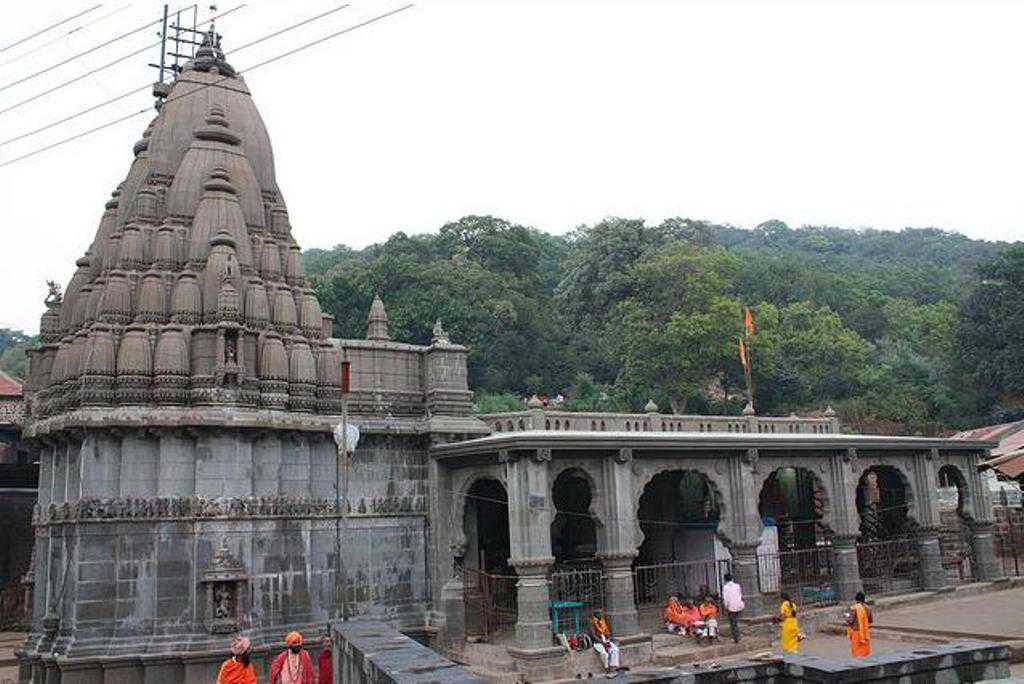
A peaceful temple journey requires thoughtful planning, especially when visiting a spiritually significant destination. Devotees who prefer smooth movement, shorter waiting hours, and a well-managed darshan often consider priority passes an essential part of their travel plan. These passes help you avoid long queues and save valuable time during peak seasons. As you prepare your schedule, understanding how to obtain these passes becomes important, particularly when planning a trip to Bhimashankar Jyotirlinga.Priority darshan options are created for pilgrims who want a structured and time-efficient visit. With proper preparation, you can begin your spiritual journey without stress and ensure a calm and fulfilling experience.


What Makes Priority Darshan Useful?

Priority darshan passes provide quicker entry to the temple’s main sanctum by allowing visitors to use a dedicated line that moves faster than the general crowd. This option is ideal for:

  • Senior citizens
  • Devotees with limited time
  • Families visiting during busy days
  • Pilgrims combining multiple temple visits

This system makes the visit more manageable, especially during weekends and festivals.


Why You Should Plan Ahead

Temple rush varies across the year. Without advance planning, devotees often end up waiting for hours or missing their preferred darshan slot. Checking availability, understanding the booking system, and keeping documents ready ensures a smooth process. A little preparation can transform your visit into a peaceful devotional experience.


Steps to Secure Your Priority Darshan Pass

1. Check Availability Before Finalizing Travel Dates

Priority passes may not be available daily, and some slots fill up quickly. Before fixing your travel itinerary, check whether passes are open for your preferred day.

2. Choose Between Online and Offline Booking

Online booking is always more convenient because it saves time and helps you know your exact darshan window. Offline counters are helpful but may have long lines depending on the crowd.

3. Keep Valid Identity Documents Handy

You will need one valid ID proof—Aadhaar, PAN, passport, or driving licence—to complete the booking process. Having documents ready helps avoid delays.

4. Understand Temple Rules

Temples follow certain guidelines to maintain sanctity and ensure smooth movement for devotees. Dress codes, security checks, and discipline within the premises must be respected. These practices are important at all sacred destinations, just like at shree somnath jyotirling temple, where maintaining order is essential due to the high influx of visitors.


Know the Peak Seasons

Some periods draw a significantly larger crowd:

  • Shravan month
  • Mahashivratri
  • New Year and long weekends
  • Public holidays

During these times, priority passes become especially valuable as general queues slow down considerably. Arriving early and carrying minimal belongings can help you move through the entry checks quickly.


Consider Using Pilgrimage Assistance Services

Many devotees now rely on professional temple-assistance platforms for guidance. Services like Naman Darshan support pilgrims by offering:

  • Step-by-step assistance during booking
  • Information about darshan timings
  • Updates on rules and procedures
  • On-ground help during temple visits

This ensures that your focus remains fully on the devotional experience rather than logistical challenges.


Tips to Make Your Darshan Smoother

1. Arrive Early Even With Priority Passes

Priority passes reduce waiting time but do not eliminate the need to reach early. Arriving 30–45 minutes before your slot helps you clear security comfortably.

2. Carry Only Essentials

Avoid carrying large bags or unnecessary items since many temples restrict them. Minimal belongings help you pass checkpoints faster.

3. Maintain Queue Discipline

A well-managed queue is the reason priority darshan works smoothly. Respect the flow and follow instructions from temple authorities.

4. Plan Related Travel Wisely

Pilgrims often combine multiple religious destinations in a single trip. Planning your darshan timing helps you manage travel between locations without stress.


Priority Darshan vs. General Darshan

Benefits of Priority Darshan

  • Faster entry
  • Reduced waiting
  • Comfortable for elders and children
  • Better time management

Possible Limitations

  • Limited slots
  • Requires advance planning
  • Fixed reporting timings

Understanding these differences helps you decide the best approach for your visit.


Frequently Asked Questions (FAQs)

Q1: Can I book a priority pass on the same day?

It depends on availability. Weekends and holidays tend to get booked quickly, so advance planning is recommended.

Q2: Are children required to have individual passes?

Rules vary. Some age categories may be exempt, so checking the latest guideline is important.

Q3: What if I miss my reporting time?

You may need to wait for the next available entry window if temple authorities allow it.

Q4: Is ID proof mandatory for booking?

Yes. A valid ID document is required for verification.

Q5: Can this trip be paired with other pilgrimage tours?

Many devotees plan multi-temple trips. In the second last paragraph’s third line below, we mention a journey such as kedarnath tour, which is commonly included in extended pilgrimage schedules.


Conclusion

Securing priority darshan passes is one of the most effective ways to enjoy a peaceful and time-efficient temple visit. Planning ahead, understanding guidelines, and relying on trusted support services can make your journey smooth and spiritually rewarding. Many pilgrims combine multiple sacred sites in one itinerary, such as adding kedarnath tour to their schedule, making proper planning even more important. With the right preparation and services like Naman Darshan, your visit becomes comfortable, organized, and deeply fulfilling.

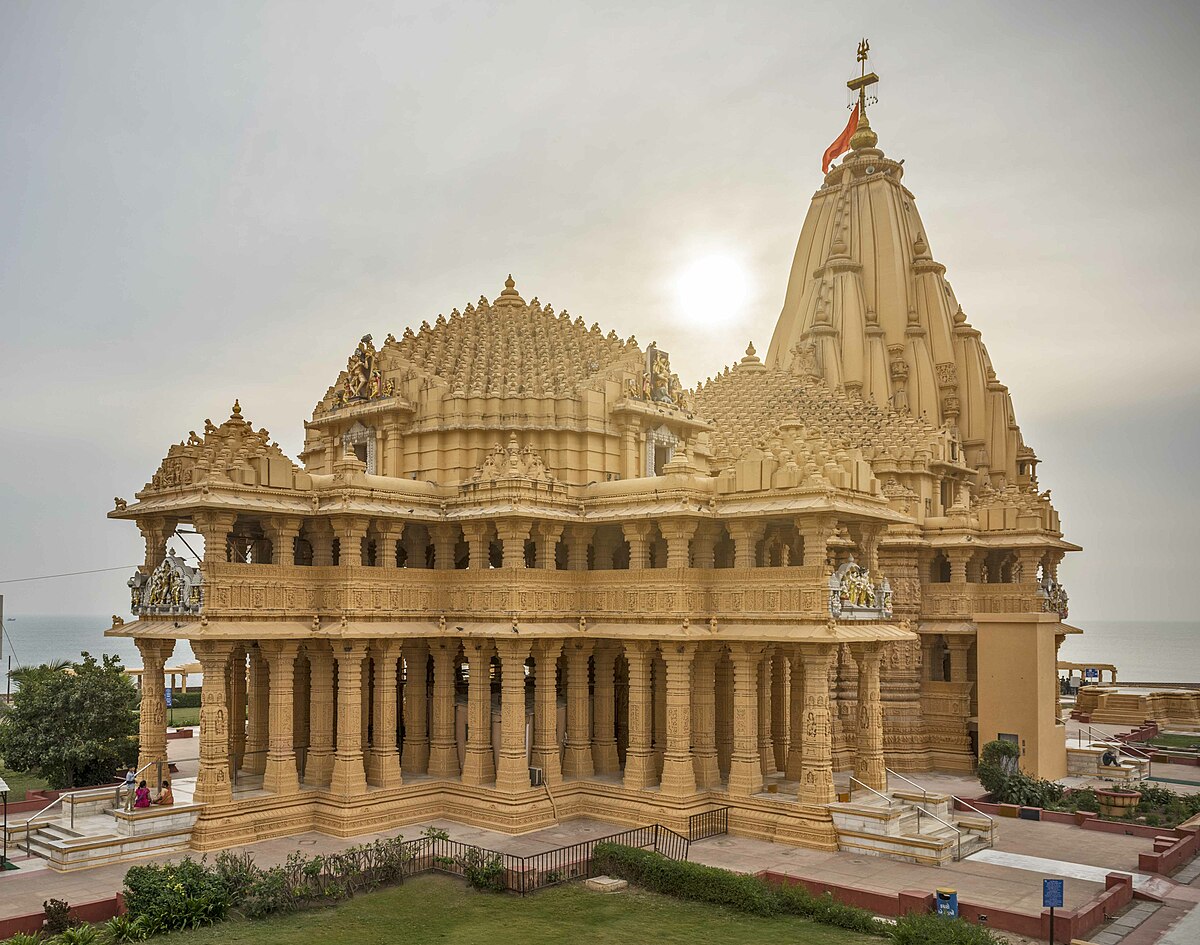
The Jyotirlinga Darshan is a sacred journey that connects devotees of Lord Shiva with the divine presence that manifests in twelve holy shrines across India. Each temple tells a story of cosmic balance, devotion, and faith that transcends time. Among them, the most revered starting point of this spiritual trail lies on the western coast of Gujarat — the magnificent Shree Somnath Jyotirling Temple. It is believed to be the first of the twelve Jyotirlingas, where the energy of Shiva first appeared on earth. The rhythmic sound of waves, the deep resonance of mantras, and the timeless aura of devotion make Somnath a natural choice to begin the Jyotirlinga pilgrimage.The temple’s significance is woven deeply into India’s cultural and spiritual fabric. It has faced countless invasions and reconstructions, yet its spirit remains unbroken — a powerful symbol of endurance and renewal. Standing on the shores of the Arabian Sea, Somnath reminds devotees that faith, like the ocean, cannot be destroyed; it simply returns with every tide. Visiting Somnath is not merely a ritual; it is an awakening — a reminder that spirituality lies in perseverance, not just prayer. Through Naman Darshan, pilgrims today can easily offer their reverence online, bridging modern accessibility with ancient devotion in a way that keeps the temple’s sanctity intact.Somnath’s place in Jyotirlinga Darshan also reflects how India’s spirituality is inclusive and interconnected. Every sacred site offers a different form of divine experience, yet all lead to the same realization — that the divine dwells within. When compared to temples dedicated to other deities, the energy feels distinct but harmonious. For example, the devotion seen at Udupi Sri Krishna Matha is filled with music, chants, and an atmosphere of playful worship toward Lord Krishna, symbolizing joy and surrender through bhakti. Somnath, on the other hand, embodies quiet reflection and surrender through silence, showing that faith can be expressed in different tones — sometimes through song, and sometimes through stillness.The legend behind Somnath adds another layer of meaning. According to mythology, Lord Moon (Soma) was cursed to lose his radiance due to pride and sought forgiveness from Lord Shiva at this very spot. Shiva’s compassion restored Soma’s brilliance, giving the temple its name — “Somnath,” or “Lord of the Moon.” The story serves as a timeless reminder that divine grace always follows humility. Pilgrims visiting Somnath feel this symbolism deeply, often describing their experience as one of emotional cleansing and inner renewal. The temple doesn’t just invite worship; it transforms hearts, reminding people that light can return even after darkness.The architectural beauty of Somnath is another reason for its prominence. Built in the Chalukyan style, the temple’s spire rises boldly against the ocean’s horizon. Its alignment with the Tropic of Cancer and the open sea behind it creates a visual illusion of infinite space — a powerful representation of Shiva’s boundless nature. Standing before it during sunrise or sunset, devotees often feel a connection that words cannot describe — a moment where nature and divinity seem to merge effortlessly.Beyond the physical structure, Somnath represents continuity — a meeting point of history, faith, and cosmic energy. The atmosphere around it feels alive, with every sound and scent invoking reverence. For those undertaking the Jyotirlinga Yatra, it is a natural beginning, a spiritual foundation that sets the tone for the journey ahead. Each subsequent Jyotirlinga feels like another verse in the hymn of devotion that begins here.In the vast temple network of India, certain shrines complement each other beautifully, offering a fuller spiritual experience. For instance, the Kanchipuram Varadharaja Perumal Temple in Tamil Nadu, dedicated to Lord Vishnu, mirrors Somnath’s grandeur in its own way — representing protection, grace, and the sustaining aspect of divinity. Visiting both temples shows how Hinduism embraces the duality of creation and destruction, Vishnu and Shiva, preservation and transformation. Together, they paint a complete picture of divine balance.What makes Somnath especially important in the Jyotirlinga Darshan is its role as a spiritual anchor — the place where one’s journey begins not just geographically but emotionally. It prepares the devotee’s heart for introspection and surrender. Somnath teaches that pilgrimage is not about reaching a destination but about awakening devotion along the way. It is the light that kindles the flame of faith before one moves on to the other Jyotirlingas.Ultimately, Somnath’s true essence lies beyond stone and legend. It stands as an eternal dialogue between human devotion and divine compassion. The temple whispers a message to every pilgrim who visits — that faith can fall, rebuild, and rise again, stronger than before. In this way, the journey of the temple mirrors the journey of the soul itself.Thus, Shree Somnath Jyotirling Temple remains not only the first among the twelve Jyotirlingas but also the spiritual heartbeat of the entire Darshan. To visit it is to witness resilience shaped by devotion, to hear the ocean speak the language of prayer, and to understand that while time may fade monuments, true faith forever endures.

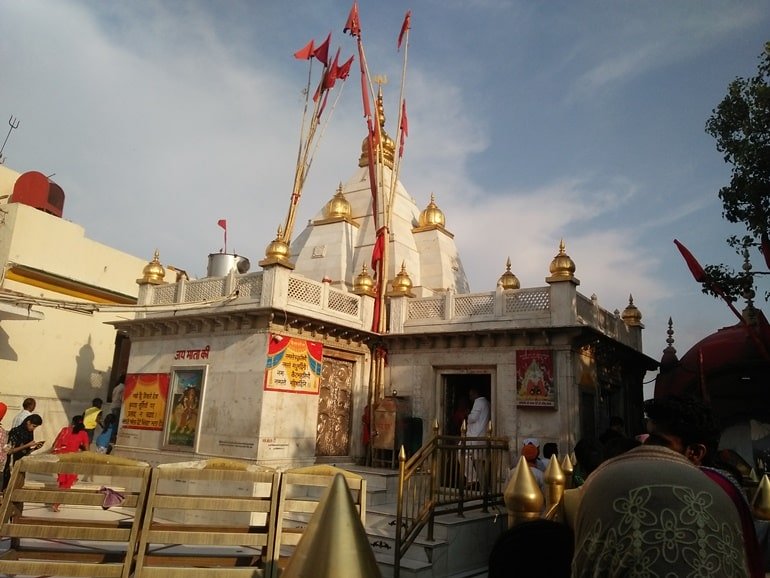
Navratri, the nine-day festival celebrating the triumph of Goddess Durga over evil, holds a deeply spiritual significance across India. Among the most revered places to witness this divine celebration is the Naina Devi Temple, Bilaspur, Himachal Pradesh, where devotion, tradition, and breathtaking natural beauty come together in a remarkable way. Every year, thousands of devotees from Himachal and nearby states climb the sacred hill to offer their prayers to the goddess, believed to be an incarnation of Shakti. The temple comes alive with rhythmic chants, the fragrance of incense, and the sound of bells echoing through the valley.

The Essence of Navratri at Naina Devi Temple

During Navratri, the temple transforms into a center of faith and festivity. Pilgrims believe that the goddess’s energy is at its peak during these nine days, and participating in the rituals brings prosperity, health, and inner peace. The atmosphere feels almost electric — vibrant yet serene. Devotees begin their journey early in the morning, some trekking up the hill barefoot as a mark of devotion, while others take the ropeway that offers stunning views of the Shivalik ranges. Once at the temple, the devotees participate in the morning aarti, followed by individual offerings of coconut, red cloth, and flowers to the goddess.The temple priests lead the Navratri puja with strict adherence to Vedic customs. Each day is dedicated to a different form of Goddess Durga — from Shailputri to Siddhidatri — symbolizing strength, wisdom, and compassion. The chanting of mantras continues throughout the day, accompanied by the rhythmic beating of drums. Visitors often describe the experience as deeply transformative, as if time slows down in the goddess’s presence.

Naman Darshan – A Blessing Beyond Ritual

One of the most special aspects of Navratri celebrations here is the “Naman Darshan.” This ritual allows devotees to have a direct glimpse of the goddess’s idol from a closer distance. Unlike regular darshan queues, Naman Darshan provides a moment of quiet connection between the devotee and the divine. Many pilgrims describe it as a deeply emotional experience — tears often flow without reason, and a sense of peace takes over. It is believed that bowing your head in surrender during Naman Darshan washes away past negativity and fills your heart with renewed strength.Families from nearby regions often plan their Navratri visit months in advance to be part of this sacred event. Local volunteers help manage the crowds, offering free food (langar) and water to travelers. The temple management also arranges comfortable accommodation for pilgrims, maintaining the balance between traditional hospitality and modern amenities.

A Divine Connection Across India

For many spiritual travelers, Navratri at Naina Devi Temple isn’t an isolated experience but part of a larger spiritual circuit. Devotees often continue their journey to other revered temples such as the neelkanth mahadev temple rishikesh, located in Uttarakhand, which celebrates Lord Shiva’s role as the divine protector during Navratri. This connection between Shakti and Shiva — power and consciousness — gives deeper meaning to the pilgrimage.During these nine days, Naina Devi Temple becomes a living canvas of devotion. You’ll see elderly women offering prayers with glowing lamps, young devotees meditating in silence, and families sitting together in the courtyard sharing homemade prasad. Local artisans also set up stalls selling handmade garlands, diyas, and temple souvenirs. The blend of tradition and community makes the entire experience heartwarming.

Rituals, Colors, and Local Flavors

Every day of Navratri here has its own rhythm. The mornings begin with holy chants and the offering of bhog — a sacred meal prepared with utmost purity. Devotees often bring homemade sweets like halwa and kheer, symbolizing gratitude. In the evenings, the temple complex glows with countless lamps, creating a magical atmosphere that feels almost otherworldly. The hill, draped in gold and red hues, mirrors the light of faith that burns in every devotee’s heart.The local residents of Bilaspur take immense pride in hosting visitors during this festival. Traditional Himachali dishes such as siddu and madra are prepared for guests, while folk musicians perform devotional songs outside the temple gate. Pilgrims also take part in cultural events and spiritual discourses that deepen their understanding of the goddess’s message — that true strength lies in patience, purity, and compassion.

The Spiritual Connection Beyond Navratri

Many pilgrims extend their journeys to explore other ancient temples of India, finding parallels in the stories of devotion and divine power. Some compare the spiritual depth of Naina Devi’s shrine to that of Lingaraj Temple, Bhubaneswar, Odisha, where Lord Shiva is worshipped in his most majestic form. Both temples, though miles apart, carry the same essence — a reminder that divinity exists in every corner of the country, binding people with faith and reverence.As Navratri concludes with Maha Navami, the final day of celebration, the temple bells ring louder, and devotees offer the last aarti with tearful gratitude. The goddess is adorned beautifully in red and gold attire, symbolizing victory and divine grace. As the chants of “Jai Mata Di” fill the air, pilgrims take blessings for new beginnings, health, and success.

Final Thoughts

Navratri puja at Naina Devi Temple is not just a festival — it’s an awakening. Whether you are a regular devotee or a first-time visitor, the energy of this sacred space leaves a lasting imprint. The temple stands as a reminder that devotion is not limited by distance or ritual but defined by sincerity. Every diya lit here reflects a heart that believes in the goddess’s presence.If you ever plan your next spiritual retreat, let it be during Navratri. Witness the rituals, feel the chants vibrate through the air, participate in Naman Darshan, and carry home not just memories but blessings that stay with you for a lifetime.


Every year, as the sacred night of Maha Shivaratri approaches, a wave of devotion sweeps through India. This festival, dedicated to Lord Shiva, is not just an event marked on the calendar — it is an awakening of the soul. It signifies the merging of masculine and feminine energies, the stillness before creation, and the triumph of inner balance. Among all the temples where this divine night is celebrated, Lingaraj Temple, Bhubaneswar, Odisha stands out for its grandeur, tradition, and spiritual depth. The festival here feels less like a ritual and more like a dialogue between human faith and divine presence.

The Sacred Essence of the Temple

Built over a thousand years ago, the Lingaraj Temple is the spiritual centerpiece of Bhubaneswar — the “City of Temples.” Constructed in the Kalinga architectural style, it reflects not only artistic brilliance but also profound symbolism. The towering spire, intricate carvings, and sacred pond narrate centuries of devotion. The temple is unique because it venerates Lord Shiva as Harihara — a form that unites Shiva and Vishnu, symbolizing the harmony between creation and destruction.During Maha Shivaratri, this temple becomes a beacon of devotion. From dawn to midnight, thousands of devotees line up to offer milk, water, and bel leaves to the Shiva Lingam. The rhythmic sound of bells, conch shells, and chants creates an atmosphere that feels alive with spiritual energy. Pilgrims fast, meditate, and engage in prayers that last throughout the night. The most anticipated moment arrives at midnight — when the sacred Mahadeepa (holy lamp) is lit atop the temple tower. Its flame symbolizes enlightenment, burning away darkness from within the hearts of those who watch it.

A Living Tradition Passed Through Generations

The celebration at Lingaraj Temple is not merely a yearly occurrence — it’s a legacy that families have carried forward for generations. Local artisans begin preparing for the festival weeks in advance, crafting clay lamps, flowers, and decorations. The temple premises glow like a sea of light as the evening progresses. Devotees from nearby villages walk barefoot for miles, believing that each step taken toward the temple purifies their soul. The chants of “Om Namah Shivaya” echo across Bhubaneswar, creating an aura that words can barely capture.Each ritual performed here tells a story — of surrender, purification, and gratitude. The priests conduct ancient rites using scriptures that have been preserved for centuries. The entire process feels deeply personal, as if every prayer uttered is directly received by the divine. It is this intimacy of worship that makes Maha Shivaratri at Lingaraj Temple so special and unforgettable.

A Spiritual Connection Across India

The faith seen here resonates with the devotion found at other powerful shrines such as Naina Devi Temple, Bilaspur, Himachal Pradesh, where Goddess Naina is worshipped as a symbol of strength and protection. Though separated by geography, both temples reflect India’s shared heritage of devotion — a reminder that faith transcends distance and diversity. The fervor during Maha Shivaratri at Lingaraj Temple is a continuation of this spirit, where people from different states gather, united by a single purpose: to honor Lord Shiva with pure hearts.

The Divine Experience of “Naman Darshan”

A highlight of the festival is the Naman Darshan — a sacred viewing granted at specific hours during the night. As the temple doors open, devotees get a glimpse of the Shiva Lingam bathed in milk, honey, and sandalwood paste. The fragrance of incense fills the air, and the flickering lamps illuminate the deity’s form in a golden glow. Many describe this moment as transformative — a feeling that transcends words. For them, it is not just about seeing the idol but experiencing the presence of Lord Shiva himself.First-time visitors often speak of how time seems to slow down during the Naman Darshan. The devotion of the crowd, the silence amid chants, and the spiritual vibration leave an imprint that stays long after the festival ends. It’s a moment when people realize that worship is not about seeking miracles but about finding peace within.

Beyond Rituals: A Festival of Inner Reflection

While the temple rituals are elaborate, Maha Shivaratri is also a personal journey. It teaches patience, discipline, and surrender. Volunteers distribute food and water to pilgrims; families decorate the streets with lamps; musicians play devotional tunes that uplift the soul. The entire celebration mirrors the essence of life — full of movement yet grounded in meaning.This sense of devotion is echoed at neelkanth mahadev temple rishikesh, where the mountains reverberate with chants of Shiva’s name on the same night. Both these holy sites — though set in different landscapes — embody the same divine rhythm of faith. Whether it’s the sound of temple bells in Odisha or the roar of the Ganga in Rishikesh, the essence of Shiva remains constant — timeless and all-encompassing.

The Eternal Light of Faith

The magic of Maha Shivaratri at Lingaraj Temple lies in its simplicity and depth. It does not rely on spectacle or grandeur but on centuries of unwavering devotion. Each ritual, chant, and offering carries forward the wisdom of generations. For locals, this night is not about external celebration but inner cleansing — a time to let go of negativity and embrace self-realization.Visitors often say that even after leaving the temple, the experience lingers — like the scent of incense that stays in the air. The soft glow of lamps, the rhythm of mantras, and the shared silence of thousands create a connection that feels divine.

Conclusion

Maha Shivaratri at Lingaraj Temple is more than a festival — it is a spiritual awakening woven into Odisha’s cultural fabric. It blends faith, tradition, and unity in a way that few places on earth can replicate. The rituals remind us that true worship is not about grand gestures but sincere devotion. Through the flame of the Mahadeepa and the calm of the night, devotees rediscover the divine within themselves. Each year, as the lamps are lit and chants rise toward the heavens, the spirit of Lord Shiva once again fills the hearts of those who believe — reminding everyone that divinity is not distant, but deeply personal.

There are few places in India where spirituality, art, and nature merge as gracefully as they do at Belur Math. Nestled on the serene western bank of the Ganga, this spiritual center is not just a place of worship — it’s a living symbol of India’s unity in diversity. Every year, countless travelers from across the world visit this sacred site to experience something that transcends religion — a sense of peace that connects deeply with the soul. The Belur Math Swami Vivekananda Temple stands not just as a monument but as a message to humanity: that love, service, and harmony are the true paths to divinity.For international travelers, the experience begins long before they reach the temple gates. The quiet ferry ride across the Ganga from Dakshineswar sets a contemplative tone, as the sound of flowing water replaces the city’s noise. Upon arrival, the temple’s unique architecture — an aesthetic blend of Hindu, Christian, and Islamic styles — instantly captures attention. Many visitors are surprised by this fusion, which was purposefully designed by Swami Vivekananda to symbolize the universality of faiths. The idea that spirituality can be inclusive, rather than divided, resonates deeply with global visitors seeking authenticity and understanding in a world of differences.Inside the temple grounds, silence reigns. The air feels lighter, almost meditative. Travelers often describe their first walk through Belur Math as a “pause button” moment — where the rush of the outside world fades away. It’s not uncommon to see visitors sitting quietly under the ancient trees or by the riverside, simply breathing in the peace. And when they attend the Naman Darshan — a spiritual viewing that encourages quiet reflection — they find something profound: an inward journey that doesn’t need translation or ritual, just presence.What makes the temple even more fascinating is its connection to India’s spiritual awakening in the modern age. Swami Vivekananda’s vision was not limited to religious preaching; it was about building character and serving humanity. This legacy is still alive here, as monks and volunteers dedicate themselves to education, health care, and social welfare. For foreign visitors, this compassionate aspect of Indian spirituality — the idea that “service to man is service to God” — feels both humbling and inspiring.Travelers who have visited grand shrines like the Shree Somnath Jyotirling Temple in Gujarat often note how different the experience at Belur Math feels. While Somnath’s grandeur and history evoke awe, Belur Math touches the heart through simplicity and inclusivity. There are no elaborate rituals or boundaries; instead, the focus is on inner peace and contemplation. Many international tourists appreciate this accessibility — they can participate in prayers quietly, observe the monks’ disciplined lives, or simply admire the architecture without feeling like outsiders. It’s a place that welcomes everyone, regardless of belief or background.The sunset at Belur Math is another reason it captures travelers’ hearts. As the evening light reflects off the Ganga, the temple glows with a golden aura that feels almost otherworldly. Photographers often struggle to capture the full beauty of this moment because it’s not just visual — it’s emotional. The evening aarti (prayer ceremony) adds a mesmerizing rhythm to the experience. Bells ring softly, chants fill the air, and the fragrance of incense mingles with the river breeze. Many visitors describe this time as one of the most spiritual moments of their India journey, where faith becomes an experience, not just a belief.Beyond the temple itself, the surroundings of Belur Math offer a glimpse into Bengal’s timeless charm. The local shops selling handmade souvenirs, the gentle hospitality of the people, and the aroma of traditional sweets like sandesh and rasogolla make the visit even more memorable. Some international travelers also extend their trip to nearby places like Dakshineswar or the vibrant streets of Kolkata, making Belur Math the spiritual highlight of their journey.Cultural travelers, especially from the West, find deep resonance in how the temple’s design symbolizes unity. In a world where divisions often dominate conversations, Belur Math feels like a reminder of what humanity truly stands for — coexistence and compassion. Many draw parallels between their experiences here and other sacred destinations across the world, from the monasteries of Tibet to the cathedrals of Europe. Yet, they agree that Belur Math’s charm lies in its simplicity — it doesn’t try to impress, it simply inspires.Interestingly, travelers who explore multiple religious sites across India — such as the Kanchipuram Varadharaja Perumal Temple in Tamil Nadu — often speak of how each represents a distinct layer of India’s spiritual fabric. While Kanchipuram reflects intricate craftsmanship and ancient devotion, Belur Math represents modern India’s philosophical strength — a bridge between tradition and contemporary thought. It’s this contrast that makes Belur Math stand out to international visitors who seek meaning beyond monuments.The temple’s appeal also lies in its openness. Unlike some heritage sites that feel distant or overly formal, Belur Math encourages personal connection. Visitors can interact with monks, attend meditation sessions, and learn about Swami Vivekananda’s teachings in simple, relatable ways. These moments of exchange create lasting impressions — it’s not unusual for travelers to return years later, drawn again by the tranquility and warmth they once felt.In conclusion, Belur Math Swami Vivekananda Temple is loved by international travelers because it offers something rare: an experience that blends peace, philosophy, and humanity in perfect harmony. It’s not just a temple — it’s a message carved in stone and spirit. Through its inclusive architecture, serene environment, and the timeless vision of Swami Vivekananda, Belur Math continues to inspire people from every corner of the globe. Whether you come seeking history, spirituality, or just a quiet place to reflect by the Ganga, you’ll leave with something deeper — a reminder that divinity is not found in grandeur, but in the quiet beauty of understanding and compassion.

Every corner of India celebrates Maha Shivaratri with devotion, but few places capture its spiritual depth and visual grandeur quite like Bhubaneswar. This ancient city, known as the “Temple City of India,” holds an energy that feels both timeless and alive. Amid its many shrines stands a divine masterpiece that becomes the soul of celebration each year Lingaraj Temple, Bhubaneswar, Odisha, a site where faith and architecture merge into a breathtaking experience.The temple, dedicated to Lord Shiva, turns into a living symbol of devotion during Maha Shivaratri. As evening descends, the air fills with the rhythmic chants of “Har Har Mahadev,” and the fragrance of sandalwood drifts through the crowd. Thousands of devotees gather, their eyes reflecting the light of countless diyas that illuminate the stone walls. The festival here is not just a religious ritual — it’s a collective moment of spiritual awakening that connects people beyond language or background.Maha Shivaratri is believed to mark the cosmic dance of Lord Shiva — the Tandava — representing creation, preservation, and destruction. At Lingaraj Temple, this philosophy is felt in every prayer and ritual. The main sanctum remains open throughout the night, with priests performing elaborate abhishekams using milk, honey, and water drawn from sacred wells. As the conch shells echo through the corridors, visitors describe feeling a surge of calm energy — as though the divine presence is tangible.What makes this celebration even more special is its deep cultural integration. The temple’s structure, built in the traditional Kalinga style, comes alive with carvings that glow under the lamplight. The streets around the temple transform into colorful processional routes filled with folk music, devotional songs, and street vendors selling garlands and prasad. For travelers and pilgrims alike, it’s an experience that lingers long after the festival ends — not just in memory but in spirit.In another corner of India, devotion takes a different yet equally mesmerizing form at Naina Devi Temple, Bilaspur, Himachal Pradesh. Perched on a hilltop overlooking the Gobind Sagar Lake, this Shakti Peeth attracts thousands of visitors who climb its sacred steps to seek the goddess’s blessings. While Lingaraj represents the cosmic energy of Shiva, Naina Devi embodies the divine feminine power — Shakti. The two together symbolize the perfect balance of the universe: the masculine and feminine forces that govern creation itself. This connection reminds many pilgrims that the journey of devotion is not limited to one destination but is a path through diverse experiences across India’s spiritual map.What makes the Maha Shivaratri at Lingaraj Temple so unforgettable is the emotional bond it creates among devotees. Even those who arrive as strangers often leave with a sense of shared connection — like threads woven together in a vast spiritual tapestry. The temple’s courtyard becomes a space of unity, where elders pass on stories to children, where travelers share food with locals, and where prayers transcend the noise of the crowd.During the night, the deity is adorned in intricate jewelry and flowers, and the temple bells ring with a resonance that fills the air. It’s said that those who stay awake through the night and meditate on Shiva’s name are blessed with inner peace and spiritual clarity. For many, this annual ritual is not just about religion — it’s about rediscovering oneself amid divine energy.Interestingly, platforms like Naman Darshan have made it easier for devotees to plan and experience such temple visits seamlessly. With their expertise in spiritual tourism and faith-based travel, they provide insights, travel arrangements, and curated darshan experiences that help devotees focus on devotion rather than logistics. For anyone wanting to explore India’s great spiritual destinations — from Bhubaneswar to Himachal — such services ensure the journey is as fulfilling as the destination itself.As dawn approaches, the first rays of sunlight touch the spire of the temple, reflecting golden hues across the sanctum. Devotees break their fast after offering final prayers, carrying with them the satisfaction of a night spent in devotion. The city slowly returns to its usual rhythm, but a quiet energy lingers in the air — an unspoken reminder of the night’s divine celebration.When you think about the spiritual diversity of India, you realize how interconnected its sacred sites are. Each temple tells a unique story but shares a common heartbeat — faith. Just as Lingaraj represents Shiva’s eternal power, the ancient kanchipuram varadharaja perumal temple in Tamil Nadu embodies devotion to Lord Vishnu. The coexistence of such grand shrines across India shows how the nation’s spirituality transcends boundaries, blending philosophies and traditions into one divine narrative.The celebration of Maha Shivaratri at Lingaraj Temple is not just about worshiping a deity — it’s about celebrating life, light, and the harmony of the universe. For a first-time visitor, the festival can feel overwhelming at first — the chants, the crowds, the rituals — but as the night unfolds, everything begins to make sense. It’s a reminder that faith, when shared collectively, becomes one of humanity’s purest forms of expression.To witness Lingaraj Temple on Maha Shivaratri is to witness devotion in motion. The glowing lamps, echoing chants, and quiet smiles of devotees come together to form a vision that words can barely capture. It’s not just a temple or a festival — it’s a living experience of India’s spiritual heartbeat, one that continues to inspire generations to look beyond the material world and connect with the divine essence within.

I BUILT MY SITE FOR FREE USING